
Picking
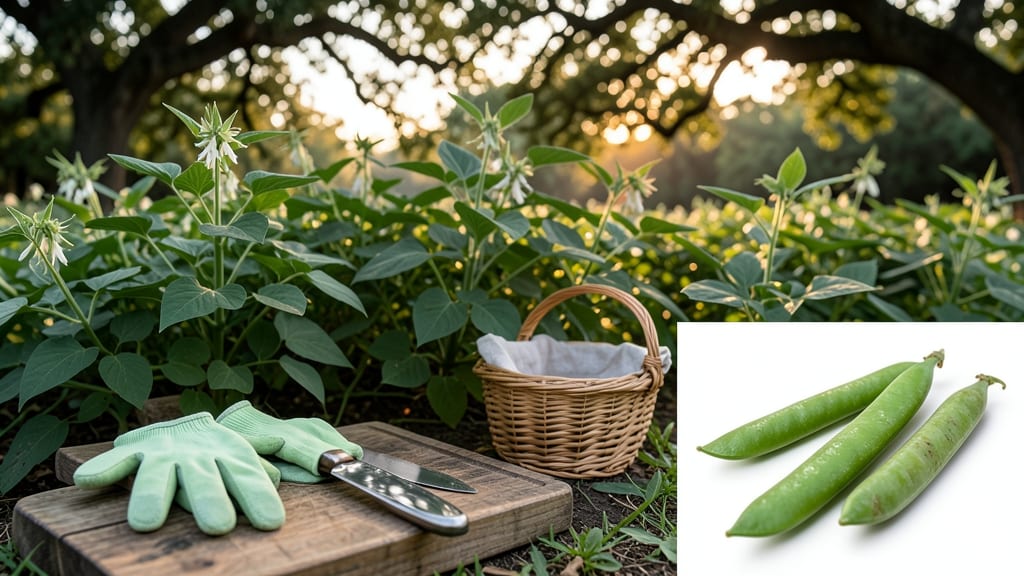
To pick green beans from your garden at the perfect moment means harvesting them when they’re crisp, tender, and bursting with flavor—right before they turn tough or bitter.
Picture this: you’ve nurtured your 🌱 green beans all season, and now it’s time to reap the rewards—but wait too long, and those sweet pods become stringy and hard. The key is knowing when to pull the trigger, and it’s easier than you think.
Most gardeners wait for pods to reach 4 to 6 inches in length, but size isn’t everything. The real test? A simple snap—if the pod bends with a clean break, it’s ready. Too soft or rubbery? Hold off a day or two.
In this guide, I’ll walk you through the exact timing, visual cues, and harvesting frequency to keep your plants producing all season—no more wasted beans or bitter surprises.


How to test green bean ripeness: the snap test & size guide
Determining the perfect moment to harvest green beans can feel like a guessing game—until you master the snap test and size benchmarks. These simple techniques ensure you pick beans at their peak flavor and texture, avoiding the common pitfalls of woody pods or underripe beans that lack sweetness.
Whether you're growing pole beans or bush beans, these methods work for all varieties.
The snap test is my go-to trick for testing ripeness. Hold a pod near the stem and gently bend it—if it snaps cleanly with a slight crack, it's ready to harvest.
A pod that bends without snapping is still too young, while one that bends but doesn't snap is overripe. This method works best in the morning hours when beans are crispest.
For pole beans, aim for pods that are 4-6 inches long and bright green. These beans climb vertically, so check the topmost pods first—they tend to mature slightly earlier than those lower down.
In contrast, bush beans produce pods all along the plant, so you'll need to scan the entire plant for uniformly sized beans.
Here’s a quick visual guide to help you compare ripeness cues between pole and bush beans:
Pay attention to the color of your green beans—bright green pods are ideal, while dull or yellowing pods indicate overmaturity. If you notice pods starting to bulge with seeds, it's a clear sign to harvest immediately.
These beans will quickly turn tough and lose their sweetness if left on the vine.
Another pro tip: Harvest consistently every 2-3 days to encourage your plants to produce more beans. When you skip harvests, the plant redirects energy to seed production, resulting in fewer pods overall. This frequent picking also keeps your harvest fresh and flavorful all season long.
If you're growing heirloom varieties, like Blue Lake or Kentucky Wonder, they often have slightly larger pods at maturity. Always refer to the seed packet for variety-specific guidelines, but the snap test remains universally reliable. For dwarf varieties, pods may mature faster, so check them daily.
One common mistake is waiting until pods reach their maximum length before harvesting. While longer pods might look impressive, they’re often less tender and more fibrous. Aim for 4-6 inches for pole beans and 3-5 inches for bush beans to balance size and tenderness.
Store freshly harvested beans in the fridge for up to 5 days to preserve their crispness. For longer storage, blanch and freeze them—this stops the aging process and locks in that garden-fresh flavor. With these tips, you'll never miss the perfect harvest window again!
Now that you’ve mastered the snap test and size guide, your green beans will be the star of your garden—and your table! 🌱
Best time of day & frequency for green bean harvesting
Harvesting green beans at the right time of day and with the right frequency can mean the difference between tender, sweet pods and tough, stringy ones.
I’ve found that morning harvests yield the crispest beans because the pods are cool and hydrated from overnight dew. Evening harvests work too, but avoid picking when beans are wilting from midday heat—this stresses the plant and dulls flavor.
Regular harvesting is key to continuous production. When I pick beans every 2-3 days, my plants keep producing for weeks longer than when I wait longer.
This frequency prevents over-maturity, where pods thicken, turn woody, and lose their sweetness. Think of it like pruning—you’re encouraging more growth by removing spent pods promptly.
Here’s my pro tip: Start checking your plants 50-60 days after sowing (varies slightly by variety). That’s when most green beans hit peak readiness. If you miss this window, you’ll end up with over-mature beans that are tough to digest and less flavorful.
The good news? Even a few late pods can be saved by blanching or freezing for later use.
- 🌱 Morning (6-8 AM) is ideal—beans are cool, crisp, and packed with moisture for peak flavor.
- ⏰ Harvest every 2-3 days to prevent over-maturity and encourage new pod growth.
- ✂️ Use clean pruners or fingers—never tear pods, which damages the vine.
- 🌡️ Avoid harvesting after midday heat—pods wilt and lose crispness faster.
- 🌱 Stop picking 2 weeks before frost—beans won’t ripen further once temps drop.
Frequency matters more than you might think for plant health. When I neglect harvesting, my green beans quickly become overcrowded with pods, which competes for nutrients and sunlight. The plant’s energy shifts from producing new beans to supporting existing ones, slowing down your harvest window.
I’ve seen yields drop by 50% or more when I wait longer than 4 days between pickings.
For pole beans, I focus on the top third of the vine first, working my way down.
This method ensures I don’t miss any hidden pods and keeps the plant’s growth balanced. Bush beans, on the other hand, are easier—just check all sides of the plant since they don’t climb.
Pro tip: Wear gloves if your plants have thorns (like Kentucky Wonder varieties) to avoid pricking your fingers while harvesting.
One mistake I used to make was harvesting only the longest pods. While size matters, tenderness is more critical. A 4-inch pod that snaps crisply is better than a 6-inch pod that’s tough. Always do the snap test: Hold a pod between your fingers and bend it gently.
If it snaps with a clean break, it’s ready. If it bends without snapping, wait another day or two. This simple trick saves me from picking beans that are past their prime.