Picking
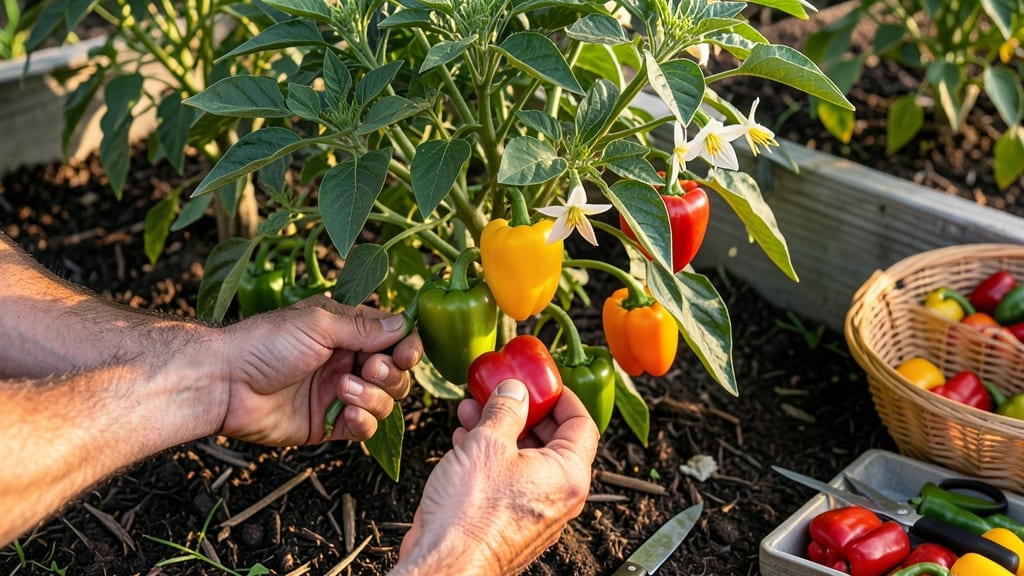
To pick peppers from your garden at just the right moment means the difference between a harvest bursting with flavor and one that’s bland or even bitter.
Harvesting too early leaves them underripe and tough, while waiting too long can turn them mealy or wrinkled—so timing is everything. 🌶️
Peppers mature at different speeds depending on the variety, but color, size, and firmness are your best clues. Bell peppers, for example, often reach peak flavor when they turn deep green, red, or yellow, while hot peppers like jalapeños may need to ripen fully on the vine for maximum heat.
In this guide, I’ll walk you through the exact visual cues to look for, the best time of day to harvest, and how to avoid damaging your plants—so you can enjoy homegrown peppers at their absolute best.
How to identify pepper ripeness by color and size
Knowing when to pick peppers from your garden ensures maximum flavor and sweetness. Unlike many fruits, peppers continue ripening after harvest, but timing is critical. A pepper picked too early can be bland or bitter, while one left too long may become mealy or wrinkled.
Understanding the color shifts and size indicators for your specific variety is the key to a perfect harvest.
Most gardeners focus on color changes as the primary indicator, but size, firmness, and even the plant's growth stage play roles. For example, a bell pepper might stay green if harvested early, but its flavor peaks when fully colored.
Meanwhile, jalapeños or serrano peppers can turn red, yellow, or orange, each stage offering a different heat level and taste profile.
Heirloom varieties often have unique ripening patterns—some may never turn fully red but still be delicious. Always check the seed packet or plant description for variety-specific guidance. Even within the same species, environmental factors like sunlight, temperature, and water can influence ripening speed and color intensity.
For bell peppers, the color shift from green to red, yellow, or another hue signals peak sweetness. However, some varieties like Banana peppers stay green but still ripen fully.
Always check the plant’s size indicators—a bell pepper should reach 3–6 inches long before harvesting. If it’s smaller, it’s not ready, even if the color looks vibrant.
Hot peppers like jalapeños or serranos often turn red, yellow, or orange as they ripen, but you can harvest them earlier for milder heat. The firmness test is crucial: gently squeeze the pepper—it should feel firm but slightly yielding, not hard or mushy.
Overripe peppers develop wrinkles or soft spots, indicating they’ve passed their prime.
Heirloom varieties can be tricky. Some, like Shishito peppers, rarely change color but still ripen. Focus on size and firmness instead. If the pepper is full-sized, glossy, and firm, it’s ready—regardless of color. Always taste-test a few peppers to gauge flavor development, especially with uncommon varieties.
Environmental factors can delay or speed up ripening. Cooler temperatures slow color changes, while hot, sunny days accelerate them. If your peppers aren’t ripening by late summer, consider harvesting them green or providing shade to prevent sunburn.
Some gardeners even use black plastic mulch to warm the soil and encourage faster ripening.
Don’t forget the stem test: grasp the pepper’s stem and gently twist. If it
Best practices for picking peppers without damaging plants
Timing and technique matter just as much as knowing when to pick peppers from your garden. Harvesting at the wrong time can stress your plants or reduce flavor. The best time to harvest is in the morning after dew dries, when peppers are firm and cool.
This minimizes moisture-related damage and gives you a clearer view of ripeness.
Always pick peppers by twisting gently at the stem—never yank them. This prevents tearing the plant and encourages more peppers to grow. If you must use tools, opt for clean, sharp pruning shears instead of knives, which can crush stems and invite disease.
Avoid harvesting when peppers are wet, as this increases the risk of fungal infections.
⚠️ Warning: Harvesting Mistakes That Harm Your Plants
Harvesting peppers at the wrong time of day or with dirty tools can stress your plants. Avoid these common errors:
- 🌞 Afternoon heat: Peppers wilt faster, making them harder to grip cleanly.
- 🌧️ Wet peppers: Increases risk of blossom end rot and mold.
- 🪒 Dull tools: Crush stems, slowing new pepper growth.
- 🍃 Overripe peppers: Deteriorate quickly and reduce plant energy for new fruit.
Pro Tip: Always sanitize tools with rubbing alcohol before and after harvesting to prevent disease spread.
For bell peppers, aim to harvest when they reach their mature size and color—typically 60–75 days after transplanting. Hot peppers like jalapeños or habaneros can be picked earlier for spicier flavors or later for milder heat.
Check the plant daily during peak production to avoid missing the optimal harvest window.
Use a harvesting basket with soft sides to cushion peppers and prevent bruising. Place it near your plants to avoid dropping or tossing peppers, which can cause internal damage.
If you’re harvesting a large batch, consider wearing gardening gloves to protect your hands from thorns on some varieties like jalapeños or serranos.
Leave a 1-inch stem attached to peppers when harvesting. This helps them store longer and reduces moisture loss. Store freshly picked peppers in a paper bag in the fridge for up to 2 weeks or use them immediately for the best flavor.
If you’re drying peppers, harvest them at peak ripeness for the most intense flavor.
After harvesting, inspect your plants for damaged leaves or stems and prune any diseased foliage immediately. This encourages new growth and prevents pests from moving in. With the right technique, you’ll maximize your pepper yield while keeping your plants healthy and productive all season long.