
Picking
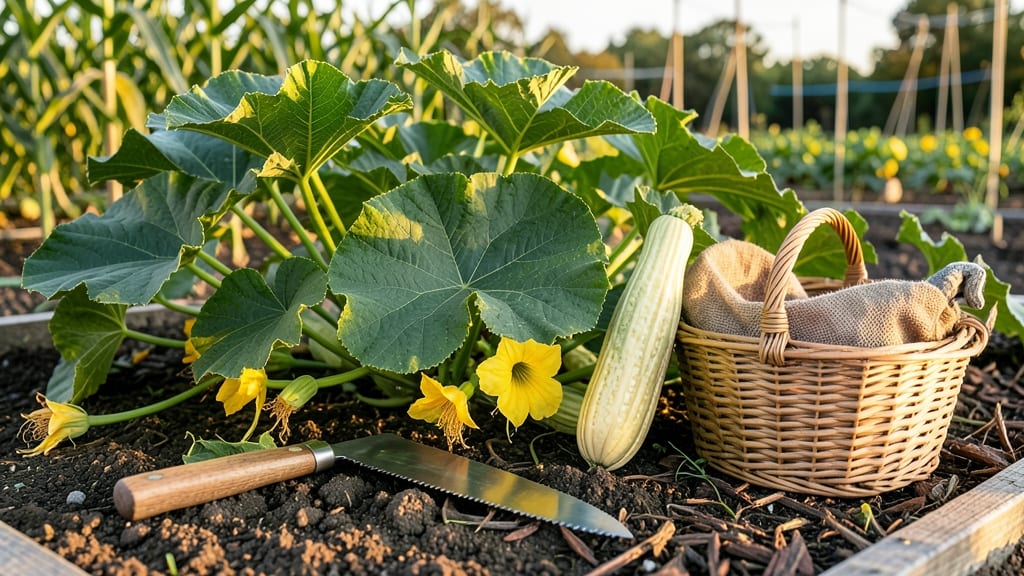
Picking spaghetti squash from the garden at the right time means the difference between tender, stringy strands and a tough, flavorless mess—so timing is everything.
You’ve nurtured your 🎃 from seed to vine, but one wrong move when harvesting can ruin months of work. The secret? Watching for the seed color shift from white to pale yellow and testing the stem’s readiness with a gentle twist.
Miss these cues, and you’ll either end up with immature squash or overripe ones that fall apart when cooked.
Season matters too—spaghetti squash thrives in USDA Zone 6a from late spring to early fall, but frost sensitivity means you’ve got just a few weeks in late summer to early fall to get it right.
A quick tap test or checking the rind’s hardness can save you from a disappointing harvest.
In this guide, I’ll walk you through the foolproof signs to pick your spaghetti squash at peak flavor, plus how to store it afterward to keep that fresh-from-the-garden taste.
How to identify spaghetti squash ripeness using seed color & stem tests
Spaghetti squash ripeness isn't about size—it's about internal seed color and stem behavior. Unlike other squash varieties, these two clues reveal when your squash is ready to harvest for that perfect stringy, sweet texture.
I've learned that ignoring these signs means either tough, fibrous flesh or overly sweet, past-its-prime squash.
The seed cavity transforms from white to bright yellow when ripe—a color change that happens inside the squash. Meanwhile, the stem develops a dry, papery texture that twists easily. These aren't just random observations; they're biological signals that your squash is reaching peak flavor and tenderness.
Here's the catch: different growing conditions can delay or speed up these ripeness indicators. Hot, dry summers may cause seeds to yellow faster, while cool, wet seasons can slow the process. That's why I always double-check both methods before harvesting—especially when dealing with unpredictable weather patterns.
| Ripeness Indicator | Unripe Signs | Ripe Signs | Action |
|---|---|---|---|
| Seed Color | White or pale yellow | Bright yellow | Harvest when seeds are fully yellow inside |
| Stem Condition | Green, firm, moist | Brown, dry, twists easily | Gently twist stem—if it separates cleanly, it's ready |
| Rind Hardness | Soft, easy to pierce | Hard, difficult to puncture | Test with fingernail—if it doesn't dent, it's ripe |
| Weight | Light for size | Heavy for size | Lift squash—ripe ones feel surprisingly dense |
To check the seed color, cut a small slice near the stem end (about 1/4 inch deep). If the seeds are still white or pale yellow, wait 3-5 days before checking again.
I've found that morning sunlight enhances the color transformation, so plan your checks for early afternoon when the squash has warmed up.
The stem twist test is my favorite quick check. Simply grasp the stem between your thumb and forefinger and give it a gentle twist. A ripe stem will separate cleanly from the squash with minimal resistance.
If it resists or tears, the squash needs more time—this is especially important in humid climates where stems stay green longer.
Don't rely on squash size alone—some varieties grow large but remain tough inside. I've harvested squash weighing 10 pounds that were still unripe, while others under 5 pounds were perfectly tender. The seed color and stem condition always give the most accurate picture of ripeness.
For gardeners in shorter growing seasons, pay extra attention to these indicators. If your first frost is approaching and your squash isn't ripe, harvest anyway—even if the seeds aren't fully yellow. You can accelerate ripening by moving squash to a warm, sunny spot indoors for 1-2 weeks before cooking.
One common mistake I see is waiting until the squash looks "overripe" by turning orange. Spaghetti squash rarely turns orange—when it does, it's often past its prime. Instead, focus on the yellow seeds and dry stem. These two signs never fail me, even in my most challenging growing seasons.
Pro tip: Mark your calendar 80-100 days after planting as your earliest possible harvest window. This gives you a baseline to track the seed color changes and stem drying. In my experience, squash ripens about 2-3 weeks earlier in hot climates compared to cooler regions.
Remember, the earlier you harvest, the more tender the flesh becomes. Once you master these two tests, you'll never second-guess when to pick your spaghetti squash again. The difference between a tough, stringy mess and a creamy, sweet delight comes down to these simple but crucial checks.
Common mistakes that make you pick too early or too late
Picking spaghetti squash at the wrong time can turn your harvest into a chewy disappointment instead of a creamy success. Many gardeners assume bigger size means ripeness, but overestimating maturity leads to tough flesh. Others ignore weather shifts that accelerate ripening, causing sweetness to fade before harvest.
The biggest mistake? Relying on visual size alone. A squash might look large but still need 10-14 more days to develop full flavor. I’ve seen 6-foot vines with undersized fruits because gardeners assumed "big enough" meant "ready."
Meanwhile, others wait until the first frost threat, risking bitter, watery flesh from over-ripening.
Warning: These 3 Mistakes Ruin Your Harvest
- Ignoring seed color: White seeds mean unripe—wait for yellow!
- Skipping stem tests: A dry, brown stem separates perfect squash from overripe disappointments.
- Assuming size = ripeness: A 30-inch squash isn’t ready if the rind is soft.
Short growing seasons add pressure. In USDA Zone 5, I’ve had to harvest 3 weeks early due to frost threats, sacrificing some sweetness for a safe harvest. The fix? Plant fast-maturing varieties like 'Tivoli' (80-day harvest) and monitor weather forecasts to adjust your timeline.
Longer seasons (like Zone 9) let squash linger, but don’t let them overstay their welcome. After 120 days, the flesh starts breaking down. I’ve seen perfectly sized squash with mushy centers because they sat too long on the vine.
The solution? Set a harvest deadline based on your last frost date.
Pro tip: Use a gentle twist test—if the stem snaps cleanly when you turn it, it’s ready. If it resists or tears, wait 3-5 more days. Pair this with the seed color check (yellow = perfect) for foolproof timing every season.
Remember: Ripeness isn’t about size—it’s about color, texture, and timing. Master these, and you’ll never waste another harvest again. 🎃