Planting
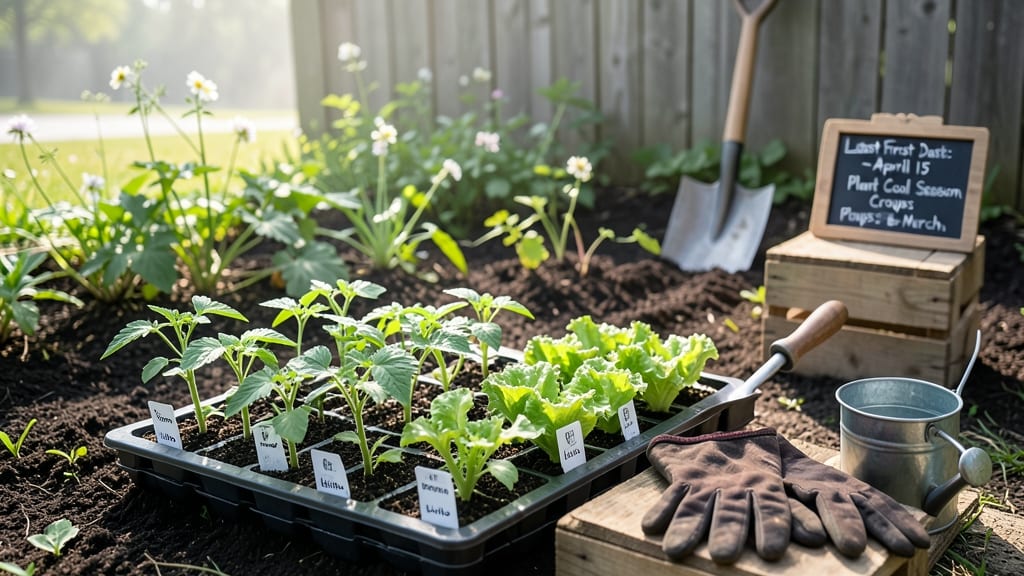
Planting a garden in Kentucky at the right time means the difference between a thriving harvest and a lost season—so timing your spring and fall windows is everything.
Here’s the catch: Kentucky’s USDA zones 6a–7a stretch from the humid Appalachians to the Bluegrass, where frost dates shift by weeks. Get it wrong, and you’ll either watch seedlings freeze in April or battle pests in a July heatwave.
This guide cuts through the guesswork with exact planting dates for your zone, whether you’re starting seeds indoors or setting out transplants.
We’ll cover cool-season crops like lettuce and peas (plant them 4–6 weeks before your last frost) and warm-season stars such as tomatoes and peppers (wait until after the last frost, usually mid-April).
Plus, I’ll show you how to adjust for microclimates—like urban heat islands or high-altitude pockets—that can push your frost dates earlier or later than the average.
Ready to stop second-guessing and start planting with confidence? You’ll leave here with a frost-date cheat sheet, indoor-starting tips, and the secrets to extending your growing season—no matter where in Kentucky you garden.
Kentucky’s frost zones & critical planting dates by month
Kentucky spans USDA hardiness zones 5b through 7a, creating distinct planting windows between Northern and Southern regions. The last spring frost typically arrives between mid-March and mid-April, while the first fall frost hits mid-October to early November.
Understanding these dates ensures your cool-season crops thrive before heat sets in, and your warm-season plants establish roots after frost risk passes.
Northern Kentucky (zones 5b-6a) has shorter frost-free seasons, with last frosts often landing in late April. Southern Kentucky (zones 6b-7a) enjoys 2-3 weeks earlier planting windows, making it ideal for longer growing seasons.
Even within zones, microclimates—like urban heat islands or sheltered valleys—can shift planting dates by 1-2 weeks.
Below is your frost-date cheat sheet, organized by plant type and month. Use it to time direct sowing, transplanting, and seed starting indoors for Kentucky’s most popular garden staples.
Pro tip: For high-value crops like tomatoes and peppers, wait until 2 weeks after the average last frost to transplant. Row covers can extend early planting by 3-4 weeks in cooler zones.
| Plant Type | Zone 5b (Northern KY) | Zone 6a (Central KY) | Zone 7a (Southern KY) | Notes |
|---|---|---|---|---|
| Cool-Season Veggies (Lettuce, Spinach, Kale) | Direct sow March 15-April 15 | Direct sow March 1-April 1 | Direct sow Feb 15-March 15 | Succession plant every 2 weeks until June 1. |
| Warm-Season Veggies (Tomatoes, Peppers, Cucumbers) | Transplant May 15-June 1 | Transplant April 20-May 10 | Transplant April 1-May 1 | Start seeds indoors 6-8 weeks before last frost. |
| Herbs (Basil, Cilantro, Dill) | Direct sow April 15-May 15 | Direct sow March 20-April 10 | Direct sow March 1-April 1 | Cilantro bolts in heat; plant fall for second crop. |
| Flowers (Marigolds, Zinnias, Sunflowers) | Transplant May 1-June 1 | Transplant April 15-May 10 | Transplant March 20-April 15 | Direct sow after frost for faster blooms. |
| Fall Crops (Kale, Carrots, Radishes) | Direct sow July 15-August 15 | Direct sow July 1-August 1 | Direct sow June 15-July 15 | Harvest before first frost (typically Oct 15-Nov 1). |
For Northern Kentucky gardeners, prioritize early-maturing varieties of tomatoes and peppers to avoid late-season heat stress
How to adjust planting for Kentucky’s microclimates & soil conditions
Your neighbor’s tomato plants might thrive on their schedule, but your yard’s microclimate could be working against you. Kentucky’s terrain—from the Appalachian foothills to the Bluegrass Region’s urban heat islands—creates wildly different growing conditions.
A 100-foot elevation change can shift your last frost date by weeks, while compacted clay soil in Louisville drains poorly compared to loamy hillsides in Lexington.
Even USDA Zone 6a and Zone 7a labels don’t tell the full story. Urban areas like Louisville can be 5–10°F warmer than rural spots just 20 miles away, thanks to concrete and asphalt trapping heat.
Meanwhile, northern Kentucky’s higher elevations might see frost 2–3 weeks later than the state average. Ignoring these factors risks wilted seedlings or bolting herbs before harvest.
⚠️ Microclimate Mistakes to Avoid
- Planting warm-season crops (like peppers) too early in urban heat zones—they’ll bolt from stress.
- Assuming soil drainage is uniform—clay soil in valleys holds water 3x longer than sandy hills.
- Skipping hardening-off for seedlings moved from greenhouses to windy ridges.
Pro Tip: Use a soil moisture meter and local weather apps (like Kentucky Mesonet) to adjust your schedule dynamically.
Start by mapping your yard’s sun exposure and soil types. Shade from trees or buildings can delay warm-season crops by 3–4 weeks, while south-facing slopes warm up faster.
Test your soil pH and drainage—Kentucky’s clay-heavy soils often need amendments like compost or gypsum to prevent root rot in tomatoes and peppers.
Extend your growing season with row covers or cold frames. In Zone 6a, these can push spring planting back 2–3 weeks or protect fall crops from early frost.
For high-value plants like tomatoes, use a risk assessment chart to decide when to harden off seedlings or mulch beds. A simple rule: Wait until soil temps hit 60°F for warm-season crops, even if air temps seem safe.
For elevation adjustments, add 1–2 weeks to planting dates for every 500 feet above 800 feet. For example, Morehead’s Zone 6a might align with Lexington’s schedule, but Pikeville’s higher elevations could need late-May starts for peppers where Lexington plants in mid-April.
Always check 3-year averages for frost dates—not just the USDA zone.
Use local weather data to fine-tune. The Kentucky Climate Center provides frost probability maps by county. For urban gardeners, heat island effects might let you plant cucumbers 10 days earlier than rural areas. Pair this with drip irrigation to avoid water stress from compacted soil or midday heat.
Your soil’s drainage is the final puzzle piece. Amend clay soil with sand or peat moss for root vegetables like carrots, while sandy soil benefits from compost to retain moisture.
Test drainage by digging a 12-inch hole, filling it with water, and timing how long it takes to drain—more than 6 hours signals poor drainage. Adjust your planting depth and mulch thickness accordingly.