Planting
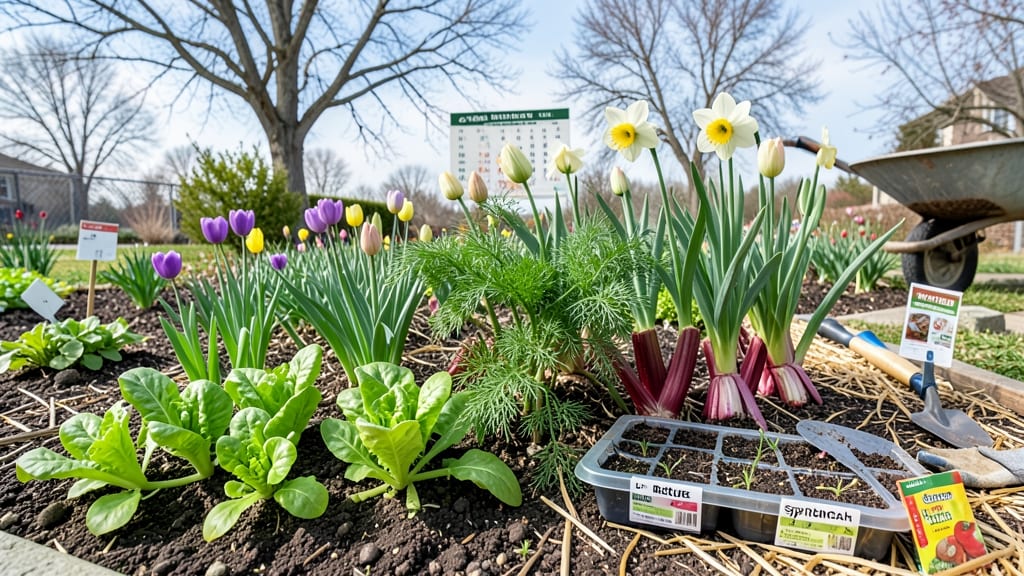
To plant a garden in Michigan, time your crops between mid-April and mid-May after the last frost—though northern zones like the Upper Peninsula may wait until early June.
Michigan’s unpredictable climate makes timing your garden planting critical—get it wrong, and your hard work could freeze overnight. But with the right frost-free dates and planting zones, you can maximize your harvest year after year.
In USDA zones 5b-6b, cool-season crops like lettuce and peas thrive when sown 4-6 weeks before the last frost, while tomatoes and peppers need to wait until soil temperatures hit 60°F or warmer.
Below, I’ll break down the best planting windows for your region, whether you’re direct-sowing seeds or starting indoors, plus tricks to stretch your growing season in Michigan’s variable weather.
Michigan’s planting zones and frost-free date guidelines by region
Michigan spans USDA Plant Hardiness Zones 4-6, meaning gardeners must account for dramatic temperature swings and regional differences. The Upper Peninsula typically sits in Zone 4, while Southern Michigan ranges from Zone 5b-6a. These zones directly impact your frost-free dates and ideal planting windows.
Understanding your specific zone helps you choose cold-hardy varieties and plan for late spring frosts that can still occur well after average dates.
For example, Traverse City in the northern Lower Peninsula often experiences frost until May 15th, while Detroit may see its last frost around May 10th—a difference that matters for warm-season crops like tomatoes.
Here’s a quick reference for Michigan’s three main regions, including microclimate exceptions that can shift planting dates by weeks:
| Region | USDA Zone | Avg. Last Frost | Avg. First Frost | Frost-Free Days | Microclimate Notes |
|---|---|---|---|---|---|
| Upper Peninsula | 4a-5a | May 10–20 | September 20–30 | 120–140 days | Lakeside areas (e.g., Marquette) stay cooler; inland zones like Iron Mountain freeze later. |
| Northern Lower Peninsula | 5a-5b | May 5–15 | September 15–25 | 140–160 days | Urban areas like Traverse City warm faster; rural zones near Grand Rapids may have later frosts. |
| Southern Michigan | 5b-6a | April 25–May 10 | October 10–20 | 160–180 days | Detroit and Ann Arbor often see earlier last frosts; Battle Creek can lag by 5–7 days. |
Southern Michigan’s Zone 6a areas, like Jackson and Lansing, enjoy the longest growing seasons, while Zone 4a in the Upper Peninsula demands extra caution for warm-season crops. Always verify your exact last frost date using local weather records—Michigan State University Extension provides updated data annually.
For cool-season crops like spinach or kale, you can start seeds 4–6 weeks before your average last frost. Warm-season crops, such as peppers and cucumbers, need soil temperatures above 55°F and should wait until 2–3 weeks after your last frost date.
Urban gardeners in cities like Detroit or Grand Rapids often experience "heat islands", where pavement and buildings create microclimates 5–10°F warmer than rural areas. This can shift your planting window by 1–2 weeks, allowing earlier starts for tomatoes or squash.
If you’re in the Upper Peninsula, consider cold-frame gardens or row covers to extend your season by 3–4 weeks. For Southern Michigan, focus on succession planting to maximize harvests before the first frost in October.
Always monitor soil temperature—a soil thermometer is your best tool for timing warm-season plantings.
Pro tip: Use hardy annuals like pansies or snapdragons as early spring indicators. If they thrive without damage, it’s safer to plant delicate seedlings like basil or eggplant.
Best planting times for vegetables, flowers, and herbs in Michigan
Timing your garden in Michigan isn’t just about dates—it’s about understanding microclimates and plant hardiness. Southern Michigan’s last frost typically arrives by mid-April, while northern regions may wait until early May.
For container gardens, you can push warm-season plants 2-3 weeks earlier by using row covers or black plastic mulch.
Cool-season crops like spinach and peas thrive when planted 4-6 weeks before your last frost date. Meanwhile, tomatoes and peppers need soil temperatures above 60°F—usually late May to early June—to germinate properly.
Perennials like lavender and coneflowers should go in the ground in early spring or fall for best establishment.
- Early Spring (March-April): Plant cold-hardy crops like kale, spinach, and onions 4-6 weeks before last frost. Start indoor seedlings for tomatoes and peppers.
- Late Spring (May): Direct-sow warm-season crops like beans, cucumbers, and squash after soil warms to 60°F. Transplant tomatoes and peppers after last frost.
- Summer (June-August): Succession plant fast-growing crops like bush beans and lettuce. Sow fall flowers like marigolds and nasturtiums for late-season color.
- Fall (September-October): Plant cool-season crops like broccoli, carrots, and radishes 6-8 weeks before first frost. Add perennials for next year’s garden.
For container gardening, warm-season plants like basil and peppers can be moved outside 2 weeks earlier than in-ground plants. Just ensure containers have drainage holes and use lightweight potting mix to avoid overheating.
Herbs like thyme and rosemary are especially forgiving in pots and can handle drought conditions better than many vegetables.
Perennials like coneflowers and lavender benefit from well-draining soil and full sun. Plant them in early spring or fall to give roots time to establish before Michigan’s harsh winters.
If you’re in a shadier microclimate, opt for astilbe or heuchera, which tolerate partial shade better than sun-loving perennials.
Don’t forget about succession planting! For example, sow radishes every 2 weeks from spring to fall for a continuous harvest. Similarly, lettuce and spinach can be replanted every 3-4 weeks until mid-summer to avoid bolting. This strategy maximizes your garden’s productivity and ensures you’re never without fresh greens.
Michigan’s unpredictable weather means flexibility is key. Always keep an eye on soil temperatures (use a soil thermometer!) and be ready to protect tender plants with frost cloth if late frosts threaten.
With these seasonal guidelines, you’ll be well on your way to a bountiful harvest all year round. 🌿