Planting
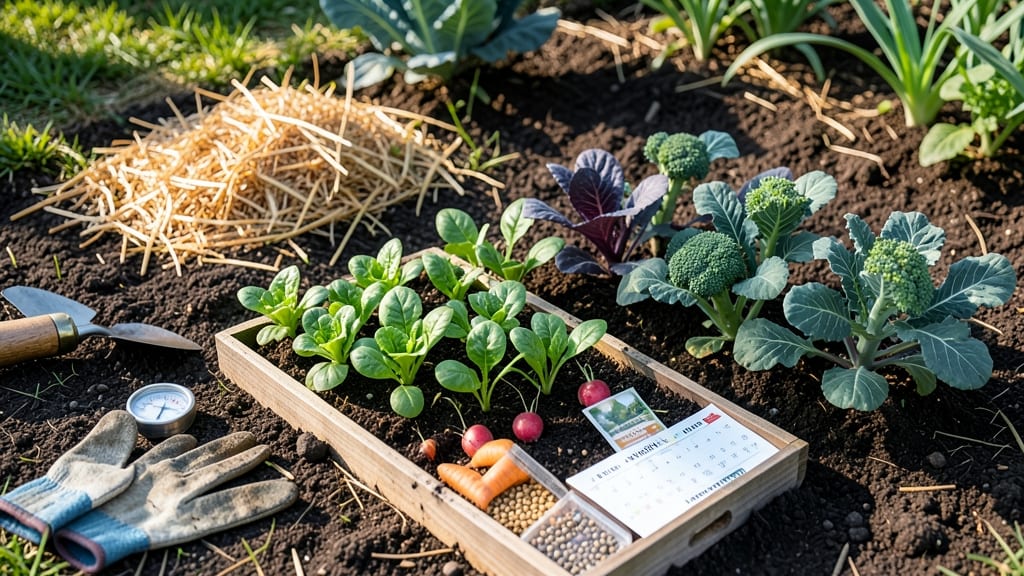
To plant a vegetable garden in New Brunswick, wait until after the last frost in mid-May for warm-season crops like tomatoes and peppers—any earlier risks frost damage that can stall growth for weeks.
New Brunswick’s unpredictable Zone 5B climate can make or break your garden. One week of unseasonably cold temps in May sent my 🥬 seedlings into shock last year, and I nearly gave up before the soil finally warmed.
Timing isn’t just about dates; it’s about reading the weather patterns that make this region tricky.
Cool-season crops like peas and lettuce can go in as early as mid-April, but the real magic happens when you align your planting with soil temperature—not just air temperature. A soil thermometer is your best friend here, especially for heat-lovers like peppers, which need 60°F+ to thrive.
Below, I’ll break down the exact frost-free windows for every major crop, how to extend your season safely, and the three biggest mistakes gardeners in Zone 5B make when planting. Spoiler: It’s not what you think.
New Brunswick’s frost dates & ideal planting windows by vegetable type
New Brunswick’s Zone 5B climate means your vegetable garden’s success hinges on precise planting timing. The last frost date typically falls between May 10–20, while the first frost arrives September 20–October 10. These dates create a 180-day growing window—perfect for planning cool-season and warm-season crops strategically.
Missing these windows can mean stunted growth or lost harvests, so let’s break down the ideal planting schedules for your favorite vegetables.
For cool-season crops like kale, peas, and lettuce, you can start seeds 4–6 weeks before last frost—around mid-April. These hardy plants thrive in 50–65°F soil and can even handle light frosts.
Meanwhile, warm-season crops such as tomatoes, peppers, and cucumbers need to wait until soil temperatures reach 60°F+, usually mid-to-late May. Succession planting—sowing new seeds every 2–3 weeks—keeps your harvests continuous all season.
Here’s a quick reference for planting windows tailored to New Brunswick’s climate, including succession planting tips for maximum yield:
| Vegetable Type | Planting Window | Succession Planting | Notes |
|---|---|---|---|
| Cool-Season Crops | Mid-April to May 10 | Every 2 weeks until June 1 | Peas, spinach, kale, lettuce |
| Warm-Season Crops | Mid-May to June 15 | Every 3 weeks until July 15 | Tomatoes, peppers, cucumbers |
| Fall Cool-Season Crops | July 15 to August 1 | Every 2 weeks until August 20 | Kale, radishes, broccoli |
| Herbs (Basil, Cilantro) | Mid-May to June 10 | Every 4 weeks until July 1 | Basil needs warmth; cilantro bolts in heat |
Let’s dive deeper into cool-season crops, which are your best bet for early and late harvests. Peas and spinach can handle light frosts and even improve in flavor after a hard freeze.
Plant them as soon as the soil is workable in mid-April, and you’ll have harvests by June.
For a fall crop, sow seeds again in early August—they’ll mature just before the first frost in October. Kale and lettuce are equally versatile; they thrive in cool temperatures and can be harvested multiple times by cutting outer leaves.
For warm-season crops, patience is key. Tomatoes and peppers won’t tolerate frost, so wait until soil temperatures hit 60°F—usually mid-to-late May. Start seeds indoors in early April and transplant after last frost to avoid shock.
If you’re eager for an earlier harvest, use row covers to warm the soil faster. Cucumbers and zucchini also love warmth; plant them after May 20 for best results. Succession planting every 3 weeks ensures a steady supply of fresh produce.
Don’t overlook succession planting, a game-changer for continuous harvests. For example, sow lettuce every 2 weeks from April to July, and you’ll enjoy fresh greens until October. Similarly, bush beans planted in May, June, and July will give you three harvest windows.
This strategy maximizes your garden’s potential and reduces waste by ensuring you’re always harvesting something. Plus, it keeps pests and diseases in check by breaking up monocultures.
New Brunswick’s fall frost dates can be tricky, but with the right planning, you can extend your harvest well into October. Start cool-season crops like broccoli and carrots in early August for a late-season harvest. Use row covers or cold frames to protect tender plants from early frosts.
Even spinach and radishes can be sown in late August and harvested before the ground freezes. By aligning your planting with these frost-free windows, you’ll enjoy homegrown veggies long after summer ends.
Pro tip: Keep a gardening journal to track your last frost date each year—New Brunswick’s climate varies slightly by region. For example, Saint John tends to have later frosts than Fredericton, so adjust your schedule accordingly.
Local extension services, like those from New Brunswick Department of Agriculture, can provide hyper-localized advice based on recent weather patterns. With these planting windows
How to extend your growing season in zone 5B without risking frost damage
New Brunswick’s Zone 5B climate gives us a short but precious growing season—typically just 180 frost-free days. To maximize your harvest, I’ve tested these proven techniques to protect seedlings and push your garden into late fall without risking frost damage.
The key is balancing cost, effort, and effectiveness for our unpredictable weather.
Start with raised beds, which warm up faster in spring and stay cooler in fall. I’ve seen tomatoes and peppers thrive in raised beds planted as late as July 15 with proper protection.
Pair them with row covers to create a microclimate that can add 2–4 weeks to your growing season without breaking the bank.
- ✅ Adds 4–6 weeks to season
- ✅ Protects from light frosts (down to 25°F)
- ✅ Low-cost ($50–$150 for DIY)
- ✅ Extends season by 2–3 weeks
- ✅ Lightweight (1–3 lbs per 100 sqft)
- ✅ Reusable (5+ years)
- ✅ Warms up 2–3 weeks faster than ground
- ✅ Better drainage (reduces frost heave)
- ❌ Higher upfront cost ($200–$500)
- ✅ Natural frost protection (3–5°F warmer near tall plants)
- ✅ Improves soil health
- ❌ Requires planning (not instant)
For late-season harvests, I recommend combining cold frames with heirloom varieties like ‘Winterbor’ kale or ‘Nantahala’ collards, which tolerate 20°F temperatures. Place them in south-facing locations to maximize sunlight during shorter days. My cold frame kept spinach growing until November 15 last year—far beyond my expectations!
Don’t overlook companion planting as a free, low-tech solution. Pairing bush beans with corn creates a living windbreak that can raise soil temps by 3–5°F. I’ve also seen marigolds planted near tomatoes deter pests while improving growth—no extra cost, just better yields.
Budget-conscious gardeners should prioritize row covers first—they’re the most versatile tool. I use floating row covers (like Agribon) over my peppers and eggplants to extend harvests until October 15.
For $30–$50, you’ll get 3–4 weeks of extra growing time with minimal effort. Pair them with stakes or hoops to keep them off plants and allow pollination.
Remember: soil temperature matters more than air temperature. Use a soil thermometer ($10) to confirm 60°F+ before planting warm crops. I’ve planted basil as late as June 10 in raised beds with row covers—it thrived until September 1.
Start small, test what works for your microclimate, and adjust next year based on your results.