
Planting
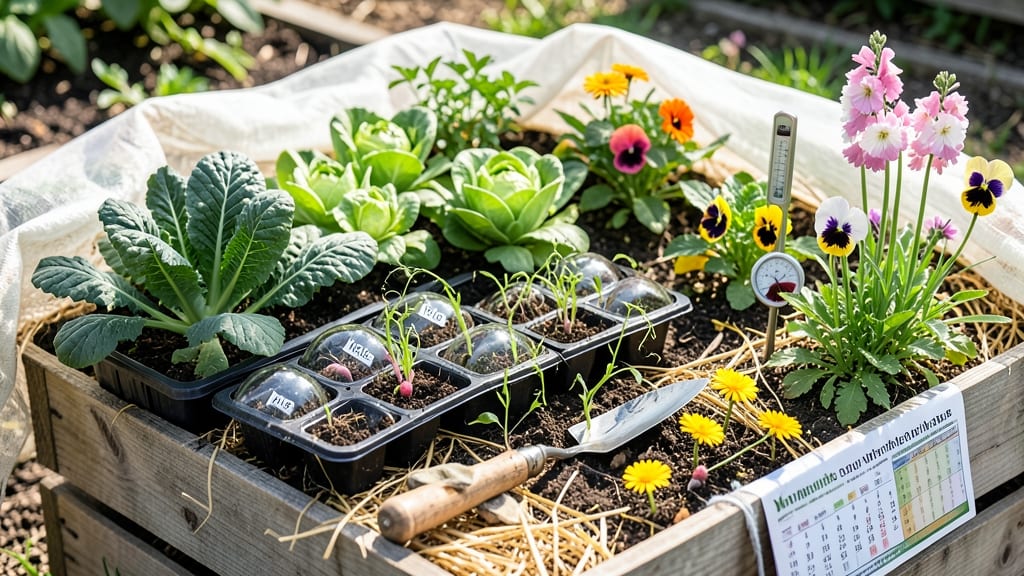
To plant a garden in Minnesota, time your first seeds after the last spring frost—typically late April to early May in most zones, with adjustments for high-altitude areas.
Minnesota’s unpredictable frost dates can turn gardening into a guessing game—unless you follow a science-backed planting schedule tailored to your hardiness zone. Get the exact frost-date cheat sheet to maximize your garden’s potential and avoid costly mistakes.
Cool-season crops like peas and spinach can go in as early as March, while tomatoes and peppers need to wait until the soil warms to 50°F—usually mid-May. Perennials, on the other hand, thrive when planted in early spring or fall.
Here’s how to adjust for Minnesota’s microclimates, extend your growing season, and spot the 5 signs you’re planting at the wrong time—so your garden doesn’t become a frost casualty.
Minnesota frost dates by plant type: the ultimate planting timeline
Minnesota’s frost dates can shift dramatically between Minneapolis (Zone 4b) and southern cities like Rochester (Zone 5a), making timing everything for a successful garden.
The average last spring frost ranges from May 10-20 in southern MN, while northern areas like Duluth (Zone 3b) may not see their final frost until June 1-10. Similarly, first fall frosts arrive as early as September 15 in the north and linger until October 15 in the south.
For cool-season crops like spinach and peas, you can start seeds 4-6 weeks before your last frost date—often as early as March indoors or April outdoors in southern MN.
Meanwhile, warm-season plants like tomatoes and peppers need soil temperatures above 50°F and should wait until 2 weeks after your last frost. Perennials have their own optimal transplant windows to establish roots before winter.
Here’s your Minnesota frost-date cheat sheet, broken down by plant type and hardiness zone, with buffer recommendations to account for unpredictable weather.
| Plant Type | Last Frost Date (Avg.) | Planting Window | First Frost Date (Avg.) | Buffer Recommendation |
|---|---|---|---|---|
| Cool-Season Crops (spinach, peas, kale) | May 10 (south) - June 1 (north) | Start seeds 4-6 weeks before last frost; transplant 2-3 weeks before | Sep 15 (north) - Oct 15 (south) | Use row covers to extend harvest by 2-3 weeks |
| Warm-Season Crops (tomatoes, peppers, basil) | May 10 (south) - June 1 (north) | Wait 2 weeks after last frost; soil temp ≥50°F | Sep 15 (north) - Oct 15 (south) | Start seeds indoors in March for transplanting |
| Perennials (asparagus, rhubarb, lavender) | April 15 (south) - May 1 (north) | Transplant 4-6 weeks before last frost for root establishment | Sep 15 (north) - Oct 15 (south) | Mulch heavily in fall to protect roots |
| Flowers (marigolds, zinnias, sunflowers) | May 10 (south) - June 1 (north) | Direct sow after last frost or start indoors 6-8 weeks before | Sep 15 (north) - Oct 15 (south) | Choose late-blooming varieties for extended color |
For Minneapolis/St. Paul (Zone 4b), aim to plant cool-season crops by May 1-15 and warm-season crops after May 20. Southern MN (Zone 5a) can push cool-season crops slightly earlier—April 15-30—while northern MN (Zone 3b) may need to wait until June 1 for warm-season plants.
Always check soil temperatures with a probe—50°F for peas and 60°F for tomatoes are critical thresholds.
Pro tip: Use succession planting for lettuce and radishes every 2 weeks to ensure a continuous harvest. For tomatoes and peppers, opt for fast-maturing varieties like ‘Early Girl’ tomatoes (55 days) or ‘Jalapeño’ peppers (60 days) to beat the fall frost.
If your area has late frosts, consider cold frames or low tunnels to protect tender plants.
Perennials like asparagus and rhubarb should be planted 1 year in advance—sow crowns in spring (April-May) so they establish roots before winter. Lavender and rosemary thrive when planted in early spring and given time to harden off before fall frosts.
Always amend soil with compost before planting to improve drainage and warmth retention.
Minnesota’s first fall frost can arrive as early as September 15 in the north, so plan to harvest warm-season crops by mid-August or use row covers to extend the season. For cool-season crops, sow hardy varieties like kale and Brussels sprouts in late July for a fall harvest.
These crops actually sweeten with frost, making them perfect for late-season gardens.
Don’t forget to monitor local frost advisories from the MN DNR or NOAA—these can shift your planting dates by 1-2 weeks. Urban areas like Minneapolis often experience microclimates with warmer pockets, while rural areas may have colder nighttime temps.
Adjust your schedule accordingly, and always keep a garden journal to track what works best in your specific location.
With this frost-date guide, you’ll avoid the heartbreak of <
How to adjust planting dates for Minnesota’s microclimates
Minnesota’s microclimates can vary dramatically—even within a single county. Urban areas like Minneapolis (Zone 4b) often experience heat islands that delay frost, while rural northern Minnesota (Zone 3a) faces earlier freezes.
High-altitude regions, like those near Brainerd, can have 10-14 days shorter growing seasons than valley areas. Adjusting your planting dates based on these differences is key to success.
Start by identifying your local frost dates—not just the county average. Check the MN DNR’s frost data or use a 3-5 year average of your neighborhood’s last spring frost and first fall frost.
For example, Duluth (Zone 3a) typically has a last frost around May 15, while Rochester (Zone 4b) averages May 25. These differences matter for warm-season crops like tomatoes and peppers.
Urban gardeners often face unique challenges, including limited space and concrete heat absorption. If you’re in a city like St. Paul, consider planting heat-tolerant varieties or using reflective mulches to cool the soil. Rural gardeners, on the other hand, may benefit from longer frost-free periods but should watch for late-season pests that thrive in these areas.
Adjusting Planting Dates by Microclimate
Urban Areas (Heat Islands)
- ✅ Pros: Later last frost (2-3 weeks)
- ✅ Longer growing season for warm crops
- ⚠️ Cons: Soil stays warmer longer (risk of bolting)
- ⚠️ Limited space for season extension tools
Rural Areas (Longer Frost-Free)
- ✅ Pros: Earlier planting for cool crops
- ✅ More space for cold frames/row covers
- ⚠️ Cons: Later first frost (shorter fall harvest)
- ⚠️ Higher pest pressure in late season
High-Altitude Regions
- ✅ Pros: Cooler nights (better for leafy greens)
- ⚠️ Cons: Shorter season (10-14 days less)
- ⚠️ Soil warms slower (delayed planting)
One of the easiest ways to adjust planting dates is by using season extension tools. Row covers (like Reemay fabric) can push back the last frost date by 2-4 weeks for cool-season crops like lettuce and spinach.
For warm-season plants, a cold frame or mini greenhouse can help you plant 2 weeks earlier in spring or extend harvests into October or November. Just be sure to remove covers during the day in warm weather to avoid overheating.
Another smart strategy is succession planting. Instead of planting all your bush beans or radishes at once, stagger plantings every 2 weeks to ensure a continuous harvest. This works especially well in Zone 4-5 areas where the growing season is shorter.
For example, plant a batch of kale in early May, another in late June, and a final batch in early August to enjoy fresh greens through October’s first frost.
If you’re in northern Minnesota (Zone 3-4), avoid the temptation to plant warm-season crops like tomatoes or peppers too early. Even if the soil looks warm, a late frost can kill seedlings overnight.
Instead, start these plants indoors 6-8 weeks before your average last frost date, then transplant after May 20 in most areas. For southern Minnesota (Zone 4-5), you can push this back to April 20-May