Planting
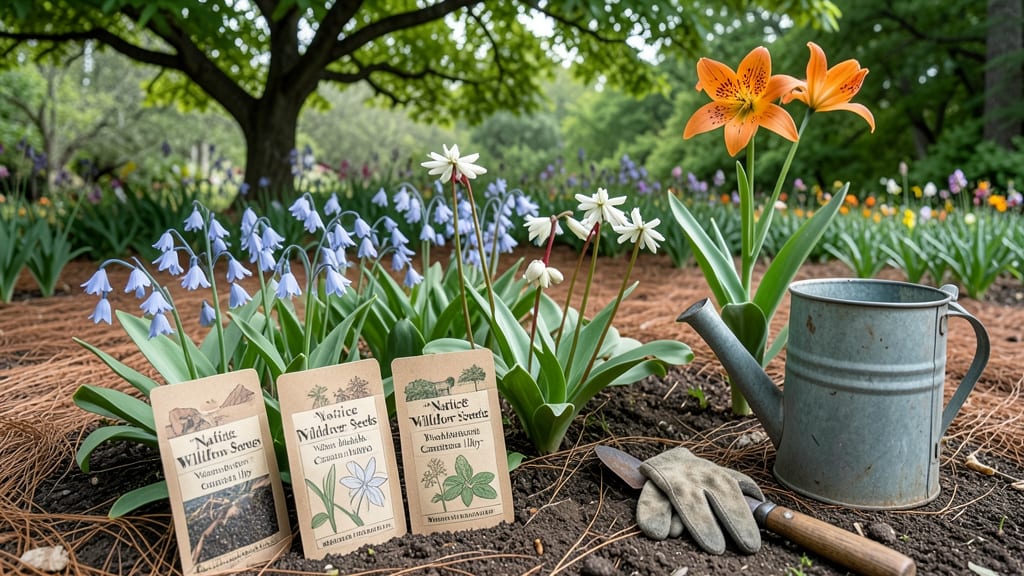
Planting a garden in NC at the right time means the difference between a bumper crop and a sad, wilted disappointment 🌱 — and the window is narrower than you think.
North Carolina’s diverse climate—from the mountains to the coast—means your garden’s success depends on timing. Plant too early, and frost zaps your seedlings; too late, and summer heat stunts growth. The exact planting schedule for NC’s frost zones (7a-8b) is what separates a thriving garden from a struggle.
Cool-season crops like spinach and broccoli need to hit the soil 4-6 weeks before your last frost (usually mid-March), while warm-season favorites like tomatoes and peppers wait until 2-3 weeks after that date.
Miss the mark, and you’ll either lose your plants to frost or watch them bolt in the heat.
Inside, you’ll find the region-specific planting timeline for Piedmont, Coastal Plain, and Mountain zones, plus heat-tolerant crops that thrive in NC’s sweltering summers—so you can grow more without the guesswork.
NC planting zones by frost dates: when to start seeds indoors vs. outdoors
North Carolina’s USDA zones 7a-8b create a patchwork of planting windows, where a 30-day difference in frost dates can mean the difference between thriving tomatoes and frozen seedlings.
The Piedmont (Zone 7b) typically sees its last frost around March 15, while the Coastal Plain (Zone 8a) often warms up by February 28. Meanwhile, the Mountains (Zone 7a) cling to frost risks until April 1.
Understanding these variations lets you time cool-season crops like spinach and warm-season crops like peppers for peak yields.
Your first step? Know your microclimate. A valley in the Blue Ridge Mountains might frost a week later than a Raleigh backyard, just 100 miles away. Check local records from the NC State Climate Office or use a frost date calculator to pinpoint your exact window.
For most NC gardeners, this means starting cool-season seeds indoors in February (for transplanting outdoors 4-6 weeks before last frost) and warm-season seeds in March (for transplanting after last frost).
Here’s the critical rule: Cool-season crops like broccoli and kale need to be in the ground 6-8 weeks before your last frost date, while warm-season crops like tomatoes and peppers can’t handle temps below 50°F.
That’s why timing matters—plant tomatoes too early, and they’ll bolt; plant spinach too late, and it’ll bolt to seed before you harvest.
🌱 Comparison Table: NC Planting Zones by Frost Date & Seed Starting Guide
For cool-season crops, think leafy greens and root vegetables. These thrive in 50-70°F soil and can handle light frosts. In the Piedmont, sow spinach and lettuce directly outdoors in late February for an early harvest.
In the Mountains, wait until mid-March to avoid frost damage. Pro tip: Use row covers to extend your growing season by 2-3 weeks in cooler zones.
Warm-season crops like tomatoes, peppers, and cucumbers demand warmth—soil temps should be 60°F+ before planting. In Zone 8b (southeast NC), you can direct-sow okra as early as March 1, but tomatoes need to wait until April 15.
In Zone 7a, hold off until May 1 to avoid late-spring frosts. For extra insurance, start pepper seeds indoors in March—they’re slow to germinate and need 8-10 weeks of warmth before transplanting.
Don’t overlook succession planting, a NC gardener’s secret weapon. Instead of sowing all your bush beans at once, stagger plantings every 2 weeks from April to July for a continuous harvest.
Similarly, radishes mature in just 30 days, so sow new batches every 10 days to avoid glutting your kitchen. This works especially well in Zone 8a, where you can squeeze in two full growing seasons—spring and fall—with minimal risk of frost.
Watch for false springs, a NC gardener’s nemesis. A 70°F weekend in March can trick you into planting early, only for a 28°F dip to wipe out your seedlings. The NC State Extension recommends waiting until the average daily low is consistently above 40°F before planting frost-sensitive crops.
For extra protection, keep row covers or frost cloth on hand—these can raise temps by 5-10°F and buy you critical growing time.
Soil temperature matters just as much as air temperature. Use a soil thermometer to confirm 60°F+ for warm-season crops. In clay-heavy soils (common in the Piedmont), warm up beds with black plastic mulch 1-2 weeks before planting.
For cool-season crops, aim for 45-55°F soil—too warm, and broccoli will bolt; too cold, and carrots may rot. Amend soil with
Heat-tolerant vegetables for NC summers: 7 crops that survive 90°F+ heat
North Carolina’s summers can push temperatures well beyond 90°F, making it tough for many vegetables to thrive. But don’t worry—these 7 heat-resistant crops are perfect for your NC garden. They handle intense sun and dry spells while still delivering delicious harvests.
Whether you're in the Piedmont or Coastal Plain, these varieties will keep producing long after other plants wilt.
These crops aren’t just tough—they’re also nutrient-packed and versatile in the kitchen. From okra to sweet potatoes, each one has unique care needs but shares a common trait: heat resilience.
Below, you’ll find their planting windows, soil preferences, and pro tips to keep them thriving all summer.
Heat-Tolerant Vegetable Ratings
Let’s start with okra, a Southern staple that loves the heat. Plant okra seeds directly in the garden after your last frost date (typically mid-April in most of NC). It thrives in poor, sandy soil and needs full sun.
Space plants 12-18 inches apart to prevent disease. Harvest pods when they’re 3-4 inches long—any longer, and they’ll turn tough and stringy.
Next up: sweet potatoes, which are drought-tolerant and perfect for NC’s summer heat. Start slips (young plants) in late spring (after soil warms to 65°F) and give them well-draining soil.
These tubers love 6-8 hours of sun daily. Mulch heavily to retain moisture and prevent weeds. Harvest before the first frost in fall by carefully digging around the plants.
For something a little different, try Malabar spinach, a heat-loving vine that’s unrelated to true spinach. It thrives in 90°F+ temperatures and grows well in containers or trellises. Plant seeds after the last frost and keep soil consistently moist.
Harvest leaves as needed—they’ll keep producing all summer long. This plant is a great substitute for spinach in hot climates.
Don’t overlook peppers, including jalapeños and bell peppers, which handle NC’s heat with ease. Start seeds indoors 8-10 weeks before your last frost or transplant young plants after frost danger passes. Peppers need full sun and well-draining soil.
Prune plants to improve airflow and reduce disease risk. Harvest peppers when they reach their mature color—red, green, or yellow, depending on the variety.
If you’re looking for a low-maintenance option, eggplant is a fantastic choice. Plant seeds or transplants after the last frost in well-warmed soil. Eggplants love hot weather and full sun.
Keep soil moist but not soggy, and mulch to retain moisture. Harvest fruits when they’re glossy and firm, usually in 70-90 days.
For a nutrient-rich addition, consider black-eyed peas. These legumes fix nitrogen in the soil and thrive in hot, dry conditions. Plant seeds after the last frost in well-draining soil.
They tolerate poor soil and drought once established. Harvest pods when they’re plump and dry, typically in 60-90 days. Save seeds for next year’s garden!
To keep these heat-tolerant crops thriving, mulch heavily to retain moisture and water deeply in the morning. Avoid overhead watering to prevent disease. With these tips, your NC garden will stay productive even when temperatures soar. Happy planting!