
Planting
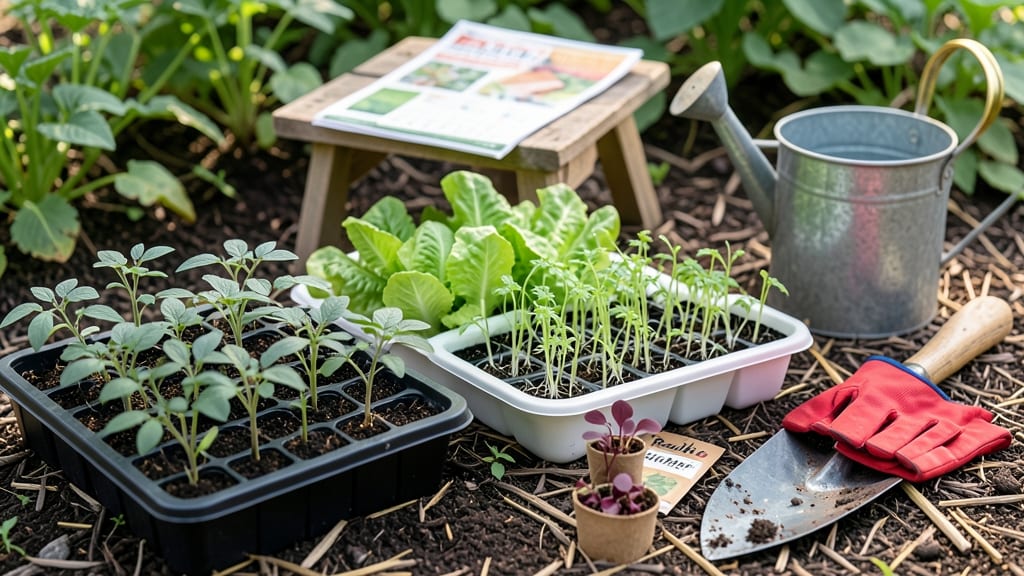
Planting a garden in New Brunswick starts after your last spring frost, which can vary wildly from Fredericton to Saint John.
New Brunswick’s unpredictable climate can turn gardening from a rewarding hobby into a gamble—unless you know the exact frost-free window for each plant type.
Cool-season crops like peas and lettuce can handle chilly soil, while tomatoes and peppers need warm earth to thrive. Timing is everything, and getting it wrong means watching your seedlings freeze or bolt too fast.
In this guide, I’ll break down frost dates by region, share month-by-month planting tips, and reveal five proven tricks to extend your growing season—so you can enjoy fresh harvests from May to October.
New Brunswick’s frost dates by region: when to start planting indoors vs outdoors
New Brunswick’s gardening season hinges on last frost dates, which vary dramatically across regions like Fredericton, Saint John, and Moncton. These dates determine whether you start seeds indoors or outdoors, and whether your cool-season crops like peas or warm-season crops like tomatoes will thrive.
With USDA hardiness zones 5b-6a, timing is everything—miss it, and your garden could freeze before it even begins.
Understanding your microclimate is equally critical. A sheltered spot near a south-facing wall might warm up faster than an exposed area, giving you an extra 1-2 weeks of growing time. Meanwhile, coastal areas like Saint John often enjoy milder winters, while inland regions like Fredericton face earlier frosts.
Let’s break down the average frost dates and how they shape your planting schedule.
Comparison of Frost Dates by Region
For cool-season crops like kale, spinach, and peas, you’ll want to start seeds indoors 6-8 weeks before your region’s last frost date. In Fredericton, that means kicking off seeds around March 15, while Saint John gardeners can begin as early as March 1.
These crops handle light frosts and can even be planted 2-3 weeks before the last frost date for an early harvest.
Warm-season crops like tomatoes, peppers, and cucumbers need warmth to germinate, so they must wait until after the last frost date. In Fredericton, this means holding off until May 20, while Saint John can plant as early as May 10.
To give these plants a head start, begin seeds indoors 8-10 weeks before your outdoor planting date. For Fredericton, that’s around March 10, and for Saint John, February 20.
Microclimates can shift your planting window by 1-3 weeks. A south-facing slope or urban heat island effect may allow you to plant warm-season crops earlier, while a low-lying area could delay your schedule.
Always monitor your local weather forecasts and consider using frost-sensitive plants like petunias as early indicators of warmth.
If you’re in USDA Zone 5b (like much of Fredericton), expect shorter growing seasons and more late-spring frosts. In these areas, opt for fast-maturing varieties or use row covers to extend your season.
Meanwhile, Zone 6a (common in Saint John) offers a longer window, letting you experiment with second plantings of beans or carrots in early summer.
Pro tip: Use biodegradable pots for seedlings to avoid transplant shock, and always harden off plants by gradually exposing them to outdoor conditions for 5-7 days before planting. This step is crucial for tomato and pepper seedlings, which can wilt if moved too quickly from indoors to the garden.
Don’t forget to account for soil temperature. Most seeds need soil that’s at least 50°F (10°C) to germinate. Use a soil thermometer to check, or warm cold soil with black plastic mulch a few weeks before planting.
This trick can shave 1-2 weeks off your warm-season planting schedule, especially in cooler regions like Fredericton.
Best planting calendar for new Brunswick gardens: month-by-month guide by vegetable type
New Brunswick’s short growing season demands precision timing to maximize your harvest. Whether you’re growing cool-season crops like spinach or warm-season favorites like tomatoes, knowing the right window makes all the difference.
I’ve broken down the best planting times by month, including adjustments for raised beds and containers to help you beat the frost.
Start with early spring crops like peas and lettuce in April-May, then transition to tomatoes and peppers in late May-June. For herbs and flowers, many can be planted throughout the summer, but timing is key to avoid bolting or frost damage.
Use soil warming techniques like black plastic mulch to extend your season for heat-loving plants.
| Month | Plant Type | Action | Notes |
|---|---|---|---|
| April | Peas, Spinach, Lettuce | Direct sow outdoors | Use row covers for frost protection |
| May | Carrots, Radishes, Herbs | Sow seeds or transplant | Warm soil speeds germination |
| Late May | Tomatoes, Peppers, Basil | Transplant seedlings | Use black plastic mulch |
| June | Cucumbers, Beans, Zinnias | Direct sow after last frost | Succession plant every 2 weeks |
| July-August | Kale, Broccoli, Marigolds | Start fall crops | Use containers for late harvests |
For raised beds, you can plant 2-3 weeks earlier than in-ground gardens because the soil warms faster. Fill beds with compost-rich soil and use straw mulch to retain heat.
Containers also allow for earlier planting—just ensure they have drainage holes and you move them to sunny spots as the season progresses.
Don’t forget about succession planting! For crops like lettuce and radishes, sow new seeds every 2-3 weeks to ensure a continuous harvest. This works especially well in containers, where you can easily replace finished plants.
By late summer, focus on frost-tolerant varieties like kale and spinach for a fall harvest.
If you’re new to gardening in New Brunswick, start small with easy-to-grow crops like bush beans or cherry tomatoes. These thrive in containers and give you quick rewards. For herbs like basil and parsley, plant them in well-draining soil and keep them consistently moist for best results.
Pro tip: Mark your calendar for the average first frost date (typically mid-October in most regions). This helps you plan for late-season crops like bok choy or turnips, which can tolerate light frosts. With the right timing, you’ll be enjoying homegrown veggies well into autumn! 🌱