Planting
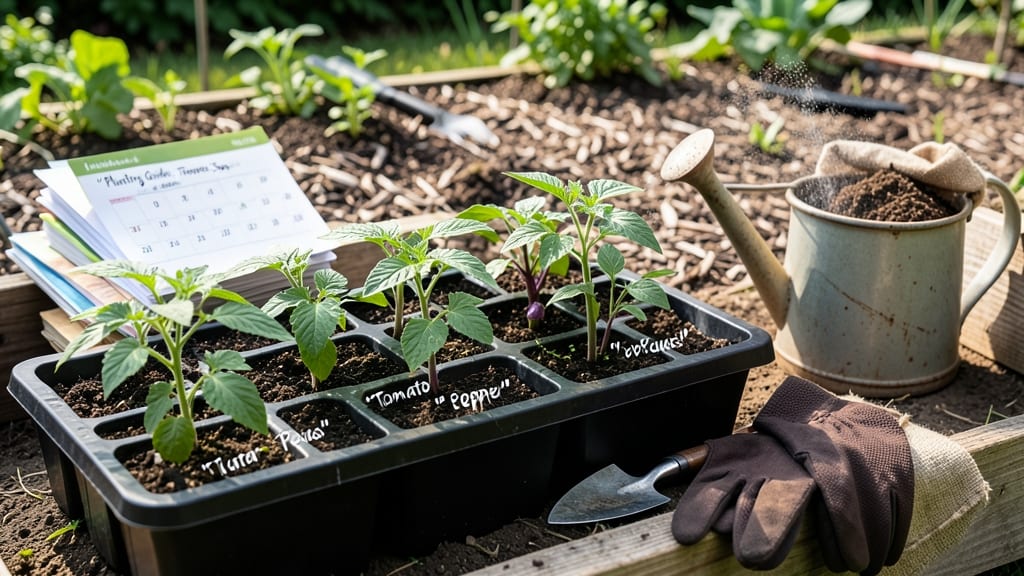
Planting a garden in South Carolina at the right time means the difference between a thriving harvest and a sad, wilted mess 🌱 — and the window to get it right is narrower than you think.
South Carolina’s warm climate and extended growing season make it a gardener’s paradise—but planting at the wrong time can mean wilted dreams before your veggies even sprout. Timing is everything, and missing the frost-free window by even a week can turn your garden into a gamble.
Whether you’re in Charleston’s coastal heat or Greenville’s Piedmont hills, the key is knowing your last frost date and adjusting for soil warmth. Cool-season crops like broccoli and lettuce need to go in early, while tomatoes and peppers wait until the ground is toasty.
In this guide, I’ll break down the exact month-by-month planting schedule for SC’s most popular crops, plus pro tips for starting seeds indoors, transplanting safely, and avoiding common mistakes that derail even the best-laid plans.
South Carolina’s frost-free planting zones: when to start seeds and transplants
South Carolina spans USDA Hardiness Zones 7b through 8a, giving gardeners a long growing season—but that doesn’t mean you can plant anytime. Coastal areas like Charleston (Zone 8a) enjoy earlier last frost dates than inland cities like Greenville (Zone 7b), creating microclimates that affect your planting timeline.
Understanding these zones helps you avoid frost damage to tender seedlings while maximizing your harvest potential.
Most of South Carolina sees its average last frost date between mid-March and early April, but coastal areas can be frost-free by February 15. Inland regions, however, often face late frosts into April 15.
This variance means your cool-season crops (like lettuce and peas) have a shorter window in the Upstate than in Charleston. Always plan with a 14-day buffer after your local last frost date before transplanting heat-sensitive plants.
Warm-season crops (tomatoes, peppers, squash) need soil temperatures above 60°F to thrive. In Charleston, you can plant these by mid-March, while Greenville gardeners should wait until mid-April. Use a soil thermometer to confirm—cold soil stunts growth and delays harvests. For fall planting, aim to sow warm-season crops by August 1 to mature before the first frost (typically November 15–December 1).
For cool-season crops, start seeds 6–8 weeks before your last frost date. In Charleston, that means early January for hardy greens like kale or spinach, while Greenville gardeners should begin in mid-February.
Use row covers or cold frames to extend your season—some crops (like broccoli) tolerate light frosts and can be planted as early as October for fall harvests.
Warm-season crops like tomatoes and peppers need a head start. Begin seeds indoors 8–10 weeks before transplanting. Charleston gardeners can start by January 15, while Upstate gardeners should wait until February 15.
Harden off seedlings for 7–10 days before transplanting to avoid shock. Always plant after soil warms to 65°F+—cold soil delays germination and weakens young plants.
South Carolina’s fall planting window is just as critical. For a second harvest of warm-season crops, sow seeds by July 15 in Charleston or August 1 in Greenville.
Use quick-maturing varieties (like 'Early Girl' tomatoes) to ensure harvest before frost. Succession planting every 2–3 weeks keeps your garden productive until November.
Microclimates play a huge role in SC gardening. A south-facing slope warms up faster than a shady valley, meaning you can plant 2–3 weeks earlier in sunny spots.
Conversely, low-lying areas may experience late frosts even after your city’s average date. Monitor local weather forecasts and use frost cloth for extra protection if needed.
Common mistakes include planting too early (risking frost damage) or too late (missing the growing season). Always check seed packets for days-to-maturity and align them with your frost dates. For example, a 60-day tomato planted on April 15 in Greenville will mature by June
Best month-by-month planting schedule for SC’s most popular vegetables
South Carolina’s two distinct planting seasons—spring and fall—offer gardeners two chances to grow a bountiful harvest. While spring planting kicks off in March and April, fall planting often yields sweeter flavors and avoids summer pests.
The key is aligning your planting deadlines with soil temperatures and frost dates to prevent bolting or frost damage.
For example, tomatoes and peppers thrive when planted after the last frost (typically mid-April in the Piedmont and early April along the coastcool-season greens like kale and spinach can handle light frosts and should go in by late August for a fall harvest.
Let’s break down the best times to plant your top crops month by month.
🌱 Month-by-Month Planting Highlights for SC
- 🌱 March-April: Start warm-season crops indoors (tomatoes, peppers) 6-8 weeks before last frost. Direct-sow radishes, lettuce, and peas as soon as soil is workable (60°F+).
- 🌱 May: Transplant tomatoes, peppers, and squash after soil reaches 65°F+. Sow cucumbers and beans directly into warm soil.
- 🌱 June-July: Plant fall greens (kale, spinach, broccoli) for a late harvest. Avoid planting heat-sensitive crops like basil during peak summer.
- 🌱 August-September: Focus on cool-season crops like carrots, beets, and onions. Start herbs (cilantro, parsley) for a fall-to-winter harvest.
- 🌱 October: Last chance for fast-maturing crops (radishes, turnips). Protect tender plants with row covers as frost nears.
Spring planting peaks in April and May, but don’t overlook fall. Many gardeners in SC’s USDA Zones 7b-8a swear by a fall garden because it avoids pest pressure (like squash bugs and aphids) and often produces sweeter vegetables.
For instance, broccoli and cabbage planted in August can be harvested before the first frost in November-December.
Pro tip: Use mulch to extend your fall planting window by 2-3 weeks. A thick layer of straw or leaves keeps soil warm longer, allowing you to plant spinach and arugula as late as early October in most of the state.
Just be sure to remove mulch before the first frost to prevent rot.
Missed the spring window? No problem! Herbs like basil and dill can be direct-sown in late summer for a fall harvest, while green onions and lettuce tolerate light frosts. The key is soil temperature: aim for 50°F+ for cool-season crops and 65°F+ for warm-season varieties like tomatoes.
Remember, SC’s coastal areas (like Charleston) have a longer growing season than inland regions (like Greenville). Adjust your planting dates by 1-2 weeks if you’re near the coast, where warmer microclimates delay frost.
Always check your local frost-free date—a quick online search for “[your city] last frost date” will save you from costly mistakes.