
Planting
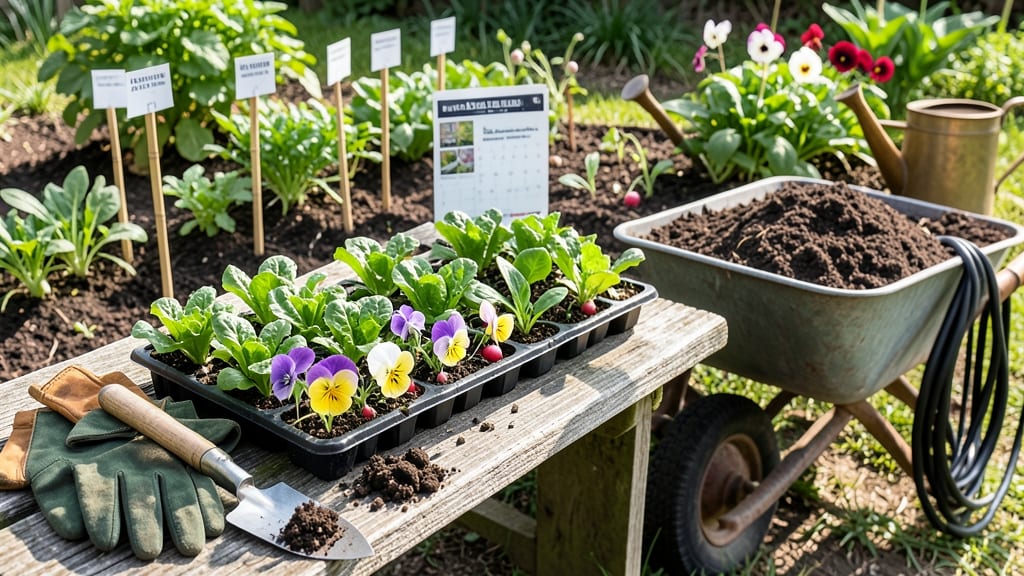
Planting a garden in Virginia depends on the month and your hardiness zone — get it wrong, and your seedlings could fry in a heatwave or freeze in a late frost.
Virginia’s diverse climate—from the humid coasts to the mountainous Appalachians—means your planting schedule can’t be one-size-fits-all. Whether you’re in Zone 5b or Zone 8a, timing is everything to avoid wasted effort and stunted growth.
Cool-season crops like lettuce and peas thrive when soil temperatures hit 40°F, while warm-season favorites such as tomatoes and peppers need to wait until after the last frost—usually mid-April in the Tidewater region but late May in the mountains.
In this guide, I’ll break down the exact month-by-month planting windows for Virginia’s zones, plus pro tips to extend your season and avoid common mistakes that derail even the most eager gardeners.
Virginia planting calendar by hardiness Zone (5b-8a)
Virginia’s gardening seasons vary dramatically from the coastal plain (Zone 8a) to the mountains (Zone 5b). Coastal areas like Norfolk enjoy longer growing seasons, while inland cities like Roanoke face earlier frosts.
Understanding these differences is key to avoiding failed crops or wasted seed packets. Below, I’ve broken down the month-by-month planting schedule for Virginia’s most popular vegetables, herbs, and flowers, with zone-specific deadlines.
For cool-season crops like broccoli and spinach, planting starts as early as February in Zone 8a but waits until April in Zone 5b.
Meanwhile, warm-season favorites such as tomatoes and peppers need to wait until after the last frost, which can be as late as May in the mountains. I’ll also highlight fall planting windows, which are just as critical for a second harvest.
🌱
In Zone 5b, where winters are harsh, I recommend starting cool-season crops indoors in late winter to get a head start. For example, spinach and kale can be sown in February under grow lights and transplanted outdoors in April.
Meanwhile, Zone 8a gardeners can plant carrots and radishes as early as January for a spring harvest.
For warm-season crops, timing is everything. In Zone 6a (Piedmont), wait until mid-April to plant tomatoes and peppers, as late frosts are common. In Zone 7a (Coastal Plain), you can push this to early April, but always check your local last frost date.
I use the Virginia Cooperative Extension’s frost maps to double-check, as microclimates can shift planting windows by 1–2 weeks.
Fall planting is often overlooked but can yield just as much harvest as spring. In Zone 5b, aim to plant kale and broccoli by early August to ensure they mature before November’s first frost.
In Zone 8a, you can extend this to September for spinach and lettuce. The key is to calculate back from your first frost date—most cool-season crops need 45–60 days to harvest.
Herbs like basil and cilantro thrive in Virginia’s heat but bolt quickly. I plant basil in late April across all zones and harvest leaves regularly to encourage bushier growth.
For cilantro, I opt for fall planting in Zone 7a and 8a, where it stays cooler longer. Rosemary and thyme, however, are perennials that can be planted year-round in Zone 8a but need spring planting in Zone 5b.
🌿
Flowers also follow seasonal rules. Marigolds and zinnias are heat-loving annuals that can be direct-sown in April–May across all zones. For cool-season blooms like pansies, plant in September–October to enjoy
Critical planting mistakes in Virginia gardens (and how to avoid them)
Virginia’s microclimates and USDA zones 5b-8a create unique planting challenges. Many gardeners make costly mistakes by ignoring frost dates or rushing soil prep in clay-heavy regions like Northern Virginia. These errors can stifle growth or invite pests—especially in humid Zone 7b areas where tomato blight thrives.
One of the biggest pitfalls is planting warm-season crops like peppers or cucumbers too early. In Zone 5b, waiting until after the last frost date (April 15-May 1) prevents frost damage.
Meanwhile, in Zone 8a, gardeners often delay planting until June, missing the optimal window for fall harvests.
Another common mistake? Skipping soil testing before planting. Virginia’s clay soils (common in Piedmont) need amendments like compost to improve drainage. Without this step, roots suffocate, leading to stunted plants and poor yields.
- Zone 5b/6a: Wait until May 10 for tomatoes—earlier planting risks frost damage.
- Zone 7b/8a: Avoid planting beans after July 15 to prevent bean beetle infestations.
- Coastal Areas: Humidity + heat increases fungal diseases—space plants for airflow.
- Mountain Regions: Soil warms later—start seeds indoors by March 1 for warm crops.
Pro Tip: Use row covers to extend spring planting by 2-3 weeks in all zones.
Even experienced gardeners overlook seasonal extensions. In Zone 7b, a cold frame can push fall planting into October, while high tunnels in Zone 5b allow 7-8 months of growing. Without these tools, you’re leaving weeks of harvest potential on the table.
Don’t forget mulching—especially in drought-prone areas like the Shenandoah Valley. A 3-inch layer of straw retains moisture and regulates soil temperature, reducing the need for frequent watering. This simple step can double your yield during Virginia’s hot summers.
Finally, resist the urge to overcrowd seedlings. In humid zones (7a-8a), dense plantings trap moisture, inviting powdery mildew. Follow spacing guidelines (e.g., 18 inches for tomatoes) to ensure airflow and healthier plants.
By avoiding these Virginia-specific mistakes, you’ll create a thriving garden that adapts to your local climate—no matter which zone you’re in. Happy planting! 🌱