
Planting
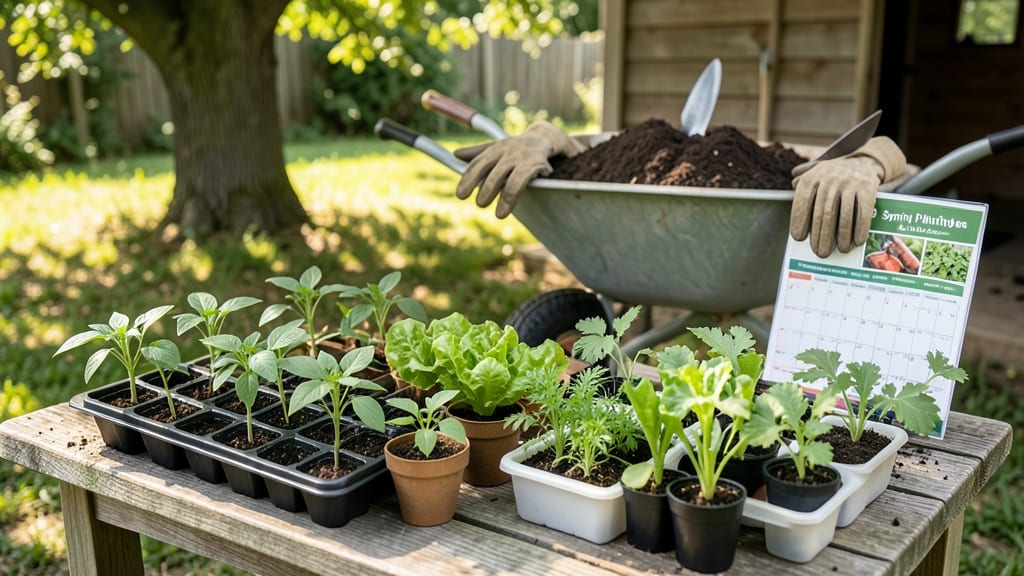
Planting a vegetable garden in Virginia at the right time means the difference between a lush harvest and a sad, wilted disappointment.
Virginia’s mild winters and hot summers create a gardener’s paradise—but planting at the wrong time can mean stunted growth or failed harvests. Mastering the perfect timing for your Zone 7a or 7b vegetable garden is the secret to bountiful tomatoes, crisp lettuce, and thriving herbs all season long.
If you’ve ever rushed to plant too early and watched frost nip your seedlings, or waited too long and missed the growing window, you know how critical timing is. The key lies in understanding your local frost dates, soil temperatures, and the unique needs of cool-season vs. warm-season crops.
In this guide, I’ll walk you through the exact planting windows for Virginia’s climate, share pro tips for adjusting to microclimates, and help you prioritize the top five vegetables that thrive here.
By the end, you’ll have a clear, actionable plan to get your garden off to the best possible start.
Virginia planting calendar by month: best times for cool-season vs. warm-season vegetables
Virginia’s Zone 7a/7b climate offers a 180-day growing season—but timing is everything. Cool-season crops like broccoli and spinach thrive in spring and fall, while tomatoes and peppers need warm soil to sprout.
Missing these windows means slower growth or bolted greens. Let’s break down the month-by-month planting schedule tailored to Virginia’s frost dates and soil conditions.
First, know your last spring frost (typically mid-April) and first fall frost (usually mid-October). These dates mark the boundaries for cool-season crops, while warm-season plants need soil temps above 60°F to germinate. Use a soil thermometer to check—it’s your best friend for timing!
Here’s your Virginia planting calendar at a glance, organized by month and crop type:
| Month | Cool-Season Crops (Plant) | Warm-Season Crops (Plant) | Soil Temp Requirement | Notes |
|---|---|---|---|---|
| March | Spinach, Lettuce, Peas, Kale (start indoors) | Onions (from sets), Potatoes | 40–50°F | Use row covers for frost protection |
| April | Broccoli, Cabbage, Carrots, Radishes (direct sow) | Tomato/pepper starts indoors | 50–60°F | Harden off transplants before mid-April |
| May | Green onions, Arugula, Swiss chard | Tomatoes, Peppers, Cucumbers, Beans (after last frost) | 60–70°F | Wait until soil is warm; test with thermometer |
| June | None (succession plant lettuce for fall) | Sweet corn, Squash, Okra, Southern peas | 70–80°F | Mulch to retain moisture; watch for pests |
| July | None | Late tomatoes, Peppers, Basil (succession plant) | 65–75°F | Provide afternoon shade for heat-sensitive plants |
| August | Start fall broccoli/cabbage indoors | Sweet potatoes, Winter squash | 60–70°F | Reduce watering for sweet potatoes to improve flavor |
| September | Lettuce, Spinach, Radishes, Turnips (direct sow) | None (focus on fall crops) | 50–60°F | Use black plastic mulch to warm soil for late tomatoes |
| October | Garlic, Onion sets, Cover crops (clover) | None | 40–50°F | Plant garlic before <
How to adjust planting dates for Virginia’s microclimates and unpredictable weatherVirginia’s diverse regions—from the humid Tidewater coast to the cooler Shenandoah Valley—create unique gardening challenges. Even within Zone 7a/7b, microclimates can shift planting windows by weeks. The Piedmont might see late frosts in May, while coastal areas warm up earlier. Understanding these variations helps you avoid stunted plants or wasted seeds. Start by tracking your local last frost date, which varies dramatically across Virginia. For example, Richmond’s average last frost is March 15, while Roanoke’s can linger until April 10. Use these dates as your baseline, then adjust based on your garden’s specific conditions. A simple soil thermometer ($15 at garden centers) will tell you when the ground is truly ready for warm-season crops like tomatoes (ideal at 60°F+). ⚠️ WARNING: Late Frosts Can Wipe Out Your Garden Virginia’s unpredictable weather means April frosts aren’t uncommon, even after spring planting begins. The Shenandoah Valley sees an average of 2 late frosts per year, while Tidewater is slightly safer but still vulnerable. Never plant heat-loving crops like peppers or eggplants until you’ve confirmed 3 consecutive nights above 50°F. Use frost cloth row covers (available at Home Depot for ~$20) to protect seedlings for an extra 2-4 weeks. For high-value crops, consider a mini cold frame (DIY with plywood and plastic) to extend your season by 6+ weeks. Always monitor the National Weather Service for frost advisories—your local Cooperative Extension office can provide hyper-local data. Extend your growing season with season-extending tools like cold frames or low tunnels. A cold frame (unheated glass box) can add 4-6 weeks to your spring harvest, while row covers let you plant spinach or kale in early September for fall harvests. For warm-season crops, use black plastic mulch to warm soil faster—this can shave 10-14 days off your planting timeline. Pair this with drip irrigation to maintain consistent moisture during Virginia’s dry summer months. Heatwaves are another Virginia challenge. When temperatures hit 90°F+, many vegetables—like lettuce or radishes—bolt prematurely. To combat this, plant shade-tolerant varieties (e.g., ‘Outredgeous’ turnips) and use shade cloth (30% coverage) over delicate greens. Succession planting—sowing small batches every 2 weeks—ensures a steady harvest even if some plants fail during heat spikes. For tomatoes, prune lower leaves to improve airflow and reduce blossom-end rot. Don’t forget to leverage Virginia’s humidity to your advantage. The Tidewater region’s high moisture levels mean you’ll need to water less frequently than in drier Piedmont areas. However, this also increases fungal diseases like powdery mildew. Space plants properly (check seed packets for spacing guidelines) and water at soil level (not overhead) to keep foliage dry. A fan on low speed near your garden can improve airflow and reduce humidity around plants. For the most accurate adjustments, consult your local Virginia Cooperative Extension office—they provide free frost maps and planting guides tailored to your county. Combine their data with your own observations (like where your garden gets morning sun) to fine-tune your schedule. With these tools, you’ll turn Virginia’s unpredictable weather into an advantage—producing bountiful harvests even when Mother Nature throws curveballs. 🌱 |