Planting
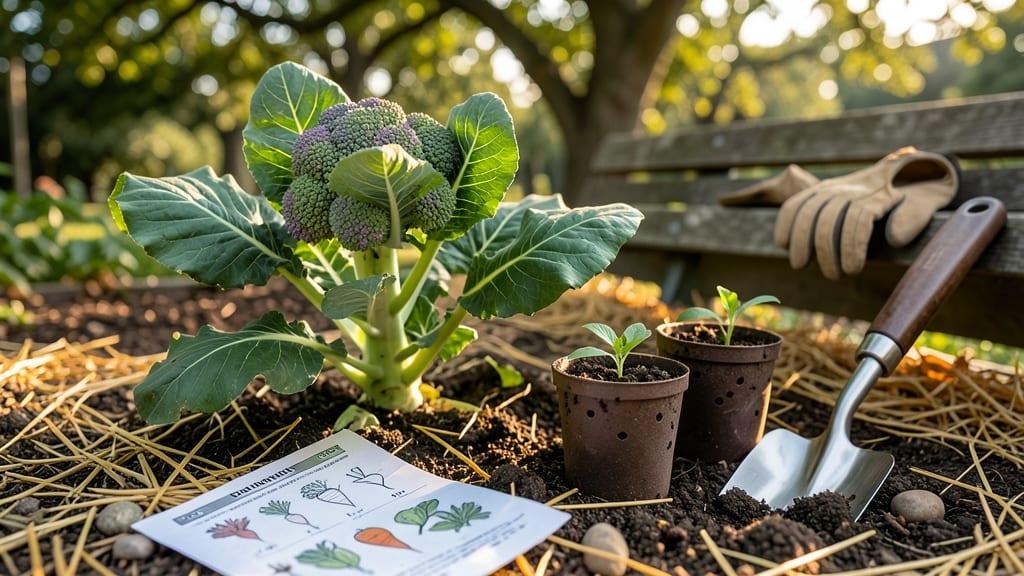
Planting your fall garden in North Texas between mid-August and mid-October is the key to avoiding summer’s last heatwave and winter’s first frost—so timing matters more than most gardeners realize.
North Texas gardeners know the window between scorching summers and freezing winters is short—but planting your 🌾 fall vegetable garden at the perfect time can mean the difference between a bountiful harvest and wasted seeds.
With the right timing, you’ll beat the heat, avoid pests, and grow cold-hardy crops that thrive in the Lone Star State’s unique climate. This guide breaks down exact dates by plant type, soil prep tips, and how to adjust for North Texas’ unpredictable weather.
Whether you’re in Dallas or Lubbock, you’ll learn how to maximize your harvest before the first frost hits around November 15—no guesswork, just proven strategies for a thriving fall garden.
North Texas fall planting calendar: exact dates by plant type for peak growth
Timing is everything in North Texas gardening, where scorching August heat can quickly turn into first frost by mid-November. To maximize your fall harvest, start planting heat-tolerant crops in late summer and transition to cold-hardy varieties by September.
The key is aligning your schedule with average first frost dates (November 15) and soil temperatures that drop below 60°F (15°C)—the threshold where many warm-season crops struggle.
Your fall garden should begin with late August sowings of quick-maturing warm-season crops like bush beans and cucumbers, followed by September transitions to cool-season staples such as kale, carrots, and spinach.
For best results, plant broccoli and cabbage 6-8 weeks before frost (around mid-September), while onions and garlic can handle cooler temps and go in as late as October.
North Texas’ USDA Zone 8a/8b climate offers a 180-day frost-free window, but your planting window narrows to just 12 weeks for optimal fall growth. Miss the mark, and you’ll face bolting greens or stunted root crops.
Below is your plant-by-plant calendar, tailored to North Texas’ microclimates—from Dallas’ humidity to Lubbock’s drier air.
| Plant Type | Ideal Planting Window | Sun Needs | Soil Temp Threshold | Harvest Timeframe |
|---|---|---|---|---|
| Warm-Season Veggies (Beans, Cucumbers, Peppers) | Late August – Early September | Full Sun (6-8+ hrs) | 60°F+ (15°C+) | October – Early November |
| Cool-Season Greens (Lettuce, Spinach, Kale) | Mid-September – Early October | Partial Sun (4-6 hrs) | 50°F+ (10°C+) | November – December |
| Root Crops (Carrots, Beets, Radishes) | Late August – Mid-October | Full Sun (6+ hrs) | 55°F+ (13°C+) | October – December |
| Brassicas (Broccoli, Cabbage, Cauliflower) | Mid-September – Late September | Full Sun (6+ hrs) | 50°F+ (10°C+) | November – December |
| Herbs (Cilantro, Parsley, Dill) | Late August – Mid-October | Partial Sun (3-6 hrs) | 50°F+ (10°C+) | October – December |
| Flowers (Pansies, Snapdragons, Calendula) | Mid-September – Early October | Full Sun (6+ hrs) | 55°F+ (13°C+) | November – December |
For soil preparation, test your garden beds in late July to ensure pH levels are ideal (6.0–7.0 for most veggies). Amend with compost or aged manure to boost organic matter, as North Texas’ clay-heavy soils can compact easily.
Add a 2-inch layer of mulch after planting to retain moisture and suppress weeds—critical in Dallas’ humid summers and Lubbock’s dry winds.
Watering is non-negotiable in fall. Newly planted seeds need consistent moisture to germinate, so aim for 1–2 inches per week
How to adjust your fall planting schedule for North Texas’ unpredictable weather
North Texas’ fall weather can shift faster than a jackrabbit in a storm—one day it’s 90°F, the next you’re scrambling to cover plants from a surprise frost. The key to success? Flexibility and strategic adjustments based on real-time conditions.
I’ve learned that even a single week’s delay can mean the difference between a thriving garden and bolted greens. Start by monitoring local frost dates (typically mid-November in most of North Texas) and adjust your planting timeline accordingly.
For heat-sensitive crops like lettuce or spinach, I plant my seeds 6-8 weeks before the first frost—usually in late August to early September.
But if temperatures stay above 85°F for more than a week, I delay planting until mid-September to avoid stressing young seedlings. Succession planting is my secret weapon: I stagger seeds every 2 weeks to ensure a continuous harvest before winter sets in.
⚠️ callout-warning ⚠️
Early frosts often hit low-lying areas first. If your garden sits in a valley or depression, plant cold-hardy crops like kale or carrots 2 weeks earlier than your usual schedule. Use a minimum-maximum thermometer to track nighttime temps—if they dip below 35°F, cover plants immediately with frost cloth.
Row covers are my go-to tool for extending the season. I use floating row covers (like Reemay fabric) to protect broccoli, cabbage, and Brussels sprouts from late-season pests and light frosts. These covers let in 90% of sunlight while trapping heat—perfect for North Texas’ erratic fall weather.
I also plant warm-season crops like tomatoes and peppers in raised beds, which warm up faster in the morning and drain better after sudden rains.
Don’t forget about microclimates—your garden might have 5°F temperature differences between sunny south-facing beds and shady north corners. I always plant heat-loving crops like okra or sweet potatoes in the hottest, sunniest spots, while cool-season greens thrive in slightly protected areas.
A simple 3-foot-tall windbreak made of bamboo stakes can add 2-3°F of warmth during chilly nights.
Watering becomes trickier in fall—too much rain can drown roots, while drought stress weakens plants before frost. I water deeply in the morning (1-2 inches per week) and mulch heavily with straw to retain moisture.
If unpredictable rainfall is forecasted, I let nature water my garden and only supplement during 3+ day dry spells. For container gardens, I check soil moisture daily—pots dry out 3x faster than in-ground beds.
Finally, keep an eye on pest patterns—fall brings aphids, cabbage worms, and squash bugs that thrive in cooler weather. I rotate crops annually to break pest cycles and use neem oil as a preventive spray every 2 weeks starting in September.
If an early frost threatens, I harvest leafy greens (like spinach) before they bolt and focus on root crops (carrots, beets) that store well in cold soil.