Planting
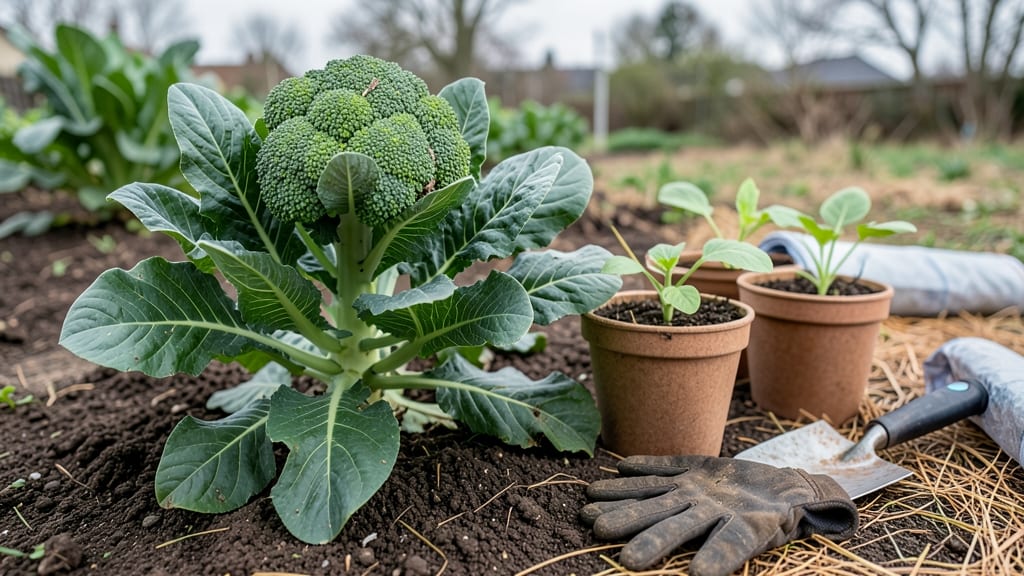
Planting a winter garden in Florida after hurricane season means timing your crops for the 45-day window between storms and frost-free days — a narrow but rewarding opportunity.
Florida’s unpredictable weather—from hurricane season to sudden cold snaps—can make winter gardening a gamble, but the right timing and heat-tolerant crops turn it into a bountiful harvest opportunity. 🥬
Most Florida gardeners wait until September or January to plant, when soil temperatures stabilize and hurricane risks drop. North Florida’s cooler microclimates (zones 8a-9a) even allow for early fall crops like lettuce and broccoli.
Here’s how to align your planting schedule with Florida’s unique climate, from soil prep to frost-resistant varieties that thrive year-round.
Optimal planting timeline for Florida’s winter garden after hurricane season
After a hurricane, Florida gardeners face a unique challenge: soil disruption, temperature swings, and delayed planting windows. But timing your winter garden right—between September and February—can yield a thriving harvest despite the chaos.
The key is balancing post-storm recovery with cool-season crop needs, while avoiding North Florida’s rare frost risks.
Hurricanes often leave soil compacted and nutrient-depleted, so your first step is soil testing and amending with compost before planting. Wait until 2-4 weeks post-storm to give the ground time to stabilize, unless you’re planting fast-growing cover crops like clover or rye to prevent erosion.
Florida’s mild winters (average 60–75°F) create a narrow window for heat-tolerant winter crops, so precision timing is everything.
In September, focus on soil recovery and planting fast-growing cover crops like clover or rye to prevent erosion and rebuild organic matter. Test your soil’s pH—aim for 6.0–6.8—and amend with compost or aged manure.
If your garden was flooded, wait until the top 6 inches of soil dry out before planting anything edible.
By October, temperatures drop enough to plant cool-season staples like kale, collards, and carrots. Use row covers in North Florida (zones 8a–9a) to shield crops from unexpected frost.
Direct-sow seeds in well-drained beds, spacing them according to mature size—carrots need 2–3 inches apart, while broccoli requires 18–24 inches.
November marks the sweet spot for heat-tolerant greens like Swiss chard and mustard greens, which thrive in Florida’s 60–70°F winters. Monitor weather forecasts closely—cold snaps after Thanksgiving can damage tender seedlings. If a frost warning appears, cover plants with lightweight row fabric or old bedsheets secured with bricks.
December is all about extending your harvest with shade cloth and low tunnels. Lettuce, radishes, and turnips grow well under 30% shade cloth, which protects them from intense winter sun while keeping soil temperatures stable.
In South Florida (zones 10a–11), you can even plant heat-loving crops like okra in shaded areas.
Jump into January with succession planting of fast growers like arugula and peas. Soil temperatures should be above 55°F for reliable germination—use a soil thermometer to check before sowing. This is also the time to fertilize lightly with a balanced 5-10-10 mix to support root development before spring’s heat arrives.
As you transition into February, prioritize harvesting remaining winter crops and prepping beds for spring. Plant green onions and radishes for quick harvests, but avoid planting heat-sensitive seeds like tomatoes or peppers—wait until March when soil temps rise above 65°F.
Use this month to add compost and mulch heavily to retain moisture for the upcoming dry season.
Pro tip: Keep a gardening journal to track your planting dates, soil conditions, and weather events. Florida’s microclimates vary wildly—what works in Miami (zone 11) may fail in Gainesville (zone 8a).
Adjust your timeline based on local frost dates and hurricane recovery timelines, and don’t hesitate to use season extenders like cold frames or hoop houses for high-value crops.
Top 5 heat-tolerant winter crops that survive Florida’s unpredictable climate
Florida’s mild winters create perfect conditions for growing heat-tolerant winter crops that many northern gardeners can only dream of. Unlike traditional cold-weather vegetables, these plants thrive in 60-75°F temperatures and even handle brief cold snaps better than most.
The key is selecting varieties bred to handle Florida’s humidity and occasional frost in North Florida zones.
My top picks focus on crops that deliver high yields with minimal fuss. These include leafy greens that regrow after harvest, root vegetables that store well, and even a few surprising heat-lovers that perform better in winter than summer.
Let’s dive into the specifics of planting depth, spacing, and care to maximize your winter harvest.
🌱 Comparison Table: Florida Winter Crops
| Crop | Planting Depth | Spacing | Days to Harvest | Care Tips |
|---|---|---|---|---|
| Collard Greens | 1/4 inch deep | 12-18 inches apart | 45-60 days | Harvest outer leaves; mulch heavily |
| Kale | 1/2 inch deep | 12-15 inches apart | 50-60 days | Frost sweetens flavor; protect from pests |
| Sweet Potatoes | 1 inch deep | 12-18 inches apart | 90-120 days | Needs warm soil; mulch with straw |
| Turnips | 1/2 inch deep | 2-3 inches apart | 30-50 days | Harvest greens first; thin seedlings |
| Carrots | 1/4 inch deep | 2-3 inches apart | 60-80 days | Loosen soil; water consistently |
Starting with collard greens is my go-to for Florida winters because they handle humidity and occasional light frosts like a champ. Plant seeds 1/4 inch deep in well-draining soil after the first cool snap in October.
Space them 12-18 inches apart to allow airflow and prevent fungal diseases. I’ve found that mulching with straw or shredded leaves keeps the soil temperature stable and reduces weeds.
For sweet potatoes, Florida’s winter soil often stays warm enough for successful growth. These aren’t your typical winter crop, but they thrive in 65-75°F soil, making them perfect for Florida’s mild winters. Plant slips (young plants) 1 inch deep and space them 12-18 inches apart.
The key is to keep the soil consistently moist but not waterlogged, as sweet potatoes hate soggy roots. I always use black plastic mulch to warm the soil faster and suppress weeds.
Don’t overlook turnips and carrots—they’re fast-growing and perfect for Florida’s short winter window. Both do best in loose, sandy soil to prevent forking in carrots. Plant seeds 1/2 inch deep and thin seedlings to 2-3 inches apart once they sprout.
Turnips are ready in just 30-50 days, making them ideal for quick harvests before any unexpected heat waves arrive.
Protect your winter crops from unexpected cold snaps by using row covers or cold frames when temperatures dip below 40°F. I’ve learned the hard way that even Florida’s mild winters can surprise you!
For leafy greens like kale and collards, a light frost actually sweetens the flavor, but prolonged cold will damage them. Always monitor your local frost-free date and adjust planting times accordingly.
With these heat-tolerant winter crops, you’ll enjoy fresh harvests even when your neighbors are dreaming of summer. The secret is choosing the right varieties and giving them the care they need to thrive in Florida’s unique microclimates. Happy gardening! 🌿