
Planting
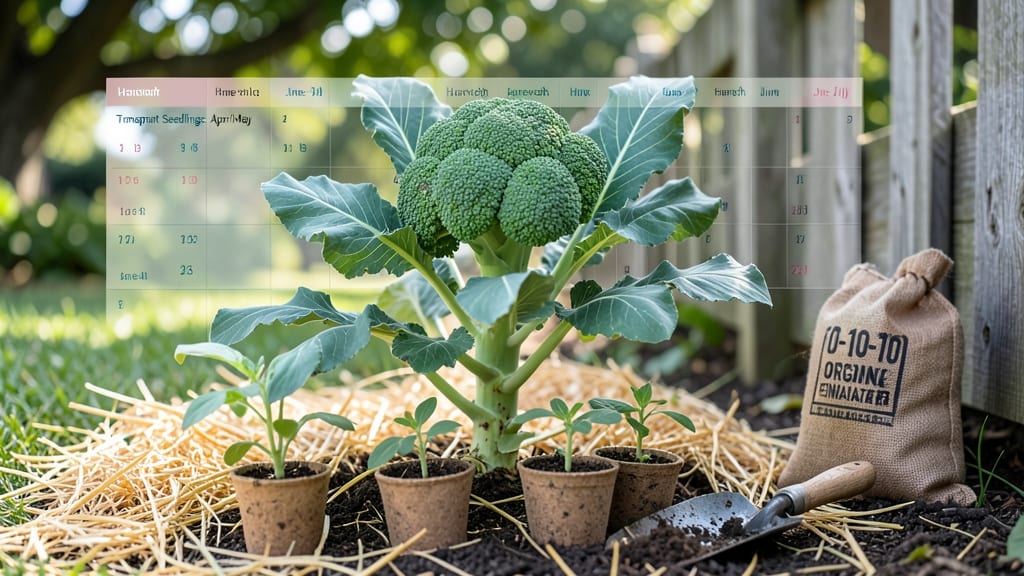
Planting your fall garden in Alabama between mid-August and early October ensures a bountiful harvest before the first frost hits.
Alabama’s warm climate lets gardeners enjoy a second growing season—but planting too early or late can mean wasted effort or frost-damaged crops. Timing is everything, and these exact dates will help you maximize your 🍂 fall garden before winter’s first freeze.
Cool-season crops like kale, broccoli, and spinach thrive when planted 6-8 weeks before your first frost, which in Alabama’s USDA zones 7a-8b typically lands in mid-November. Get it wrong, and you’ll end up with bolted greens or stunted roots.
Below, I break down the ideal planting schedule by crop type, soil prep tips for Alabama’s clay-heavy soil, and how to stretch your harvest window even longer. No more guessing—just a foolproof plan for a garden that keeps giving until December.
Alabama fall planting calendar: exact dates by frost Zone and plant type
Alabama’s USDA frost zones 7a-8b create a unique opportunity for a productive fall garden, but timing is critical. The first frost typically arrives mid-November, leaving just 8-10 weeks for cool-season crops to mature.
Plant too early, and your seedlings will bolt in summer heat; too late, and frost will ruin your harvest. Let’s break down the exact planting windows for your frost zone to maximize yields.
For Zone 7a (northern Alabama), the average first frost date is November 15, while Zone 8b (southern Alabama) may see frost as late as December 1. Cool-season crops like kale and carrots thrive in these conditions, but broccoli and cabbage need earlier starts.
Below, I’ve mapped out the ideal transplanting and direct-sowing dates for Alabama’s most popular fall crops.
Pro Tip: Use row covers or cold frames to extend your season by 2-3 weeks in colder areas. Always check your local Alabama Cooperative Extension for frost date updates, as microclimates can shift planting windows by 10-14 days.
For Zone 7a gardeners, focus on early August transplants of broccoli and cabbage, as these need 60-80 days to mature. Direct-sow radishes and turnips in early September for a quick harvest before frost.
In Zone 8b, you have a 2-week extension—perfect for trying late-season varieties like ‘Winter Density’ kale
Top 5 fall crops for Alabama gardens and when to Start them indoors
Alabama’s mild fall temperatures create the perfect opportunity to grow cool-season crops that thrive when summer heat fades. Starting these varieties indoors ensures strong, healthy transplants ready for your garden just as late summer heat gives way to crisp autumn mornings.
The key is timing—begin seeds at the right moment so they’re transplant-ready 4-6 weeks before your first frost, typically mid-November in most of Alabama.
For my Alabama garden, I focus on five high-performing fall crops that deliver reliable harvests: kale, broccoli, carrots, spinach, and radishes. Each has unique indoor-starting windows to maximize your growing season.
Let’s dive into the exact schedules and varieties that work best in our USDA Zones 7a-8b.
- 1 Kale – Start seeds indoors 6-8 weeks before transplanting (early August). Varieties like 'Winterbor' or 'Red Russian' tolerate light frosts, giving you harvests through December. Transplant outdoors late August to early September for a 60-70 day harvest window.
- 2 Broccoli – Begin seeds indoors 8 weeks before last frost (late July). Choose 'De Cicco' or 'Waltham 29' for compact heads. Transplant late August to early September for a 70-80 day harvest. Use row covers to protect from light frosts (28°F).
- 3 Carrots – Sow seeds indoors 4-5 weeks before transplanting (early to mid-August). Opt for 'Danvers' or 'Nantes' varieties. Thin seedlings to 2-3 inches apart and transplant late August for a 60-75 day harvest. Loosen soil to prevent forking.
- 4 Spinach – Start seeds indoors 3-4 weeks before transplanting (early September). Choose 'Bloomsdale Long Standing' for bolt resistance. Transplant late September for a 40-50 day harvest. Succession plant every 2 weeks for continuous yields until frost.
- 5 Radishes – Sow seeds directly outdoors in late August to early September (no indoor start needed). Fast-growing varieties like 'Cherry Belle' or 'French Breakfast' mature in 25-30 days. Thin to 1 inch apart for crisp, tender roots.
For all indoor starts, use grow lights (12-16 hours/day) to prevent leggy seedlings. Keep soil temperatures between 60-70°F for optimal germination. Once outdoors, mulch with straw or leaves to insulate roots and retain moisture as fall temperatures drop.
Pro tip: Mark your calendar for September 15th—this is my target date to transplant most cool-season crops in North Alabama. In South Alabama (Zone 8b), you can push it to October 1st for a longer harvest window.
With these timelines, you’ll enjoy fresh homegrown greens and roots well into December! 🌱