Planting
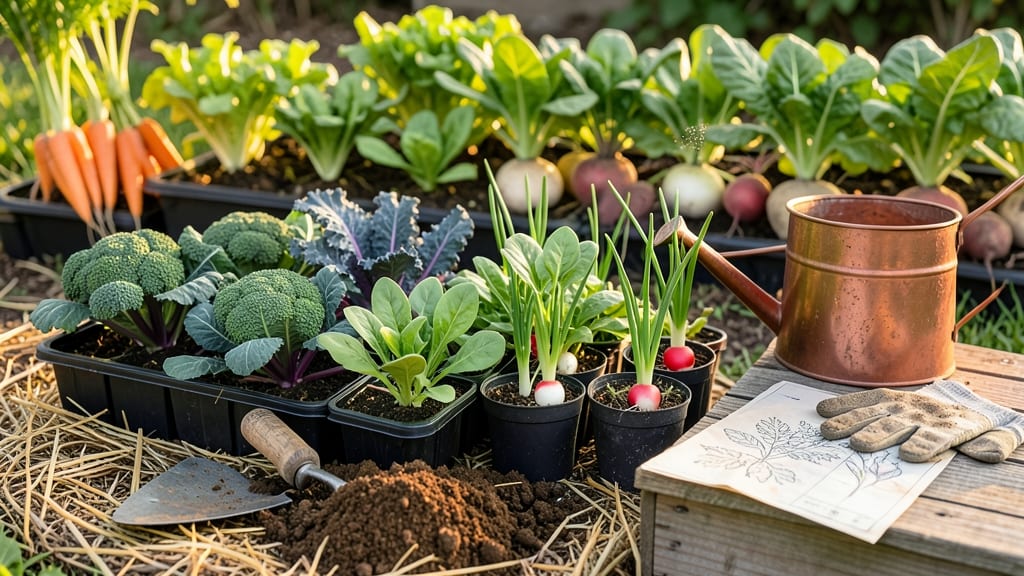
Planting a fall garden in Central Texas between mid-August and mid-September is your secret weapon for a bountiful harvest before the first frost 🥬—but timing matters more than you think.
Central Texas gardeners know the window between scorching summers and early freezes is short. One week too late, and your seedlings could bolt in the heat; one week too early, and they’ll struggle with drought.
The key is choosing heat-tolerant crops that thrive when daytime temps still hover near 90°F.
In this guide, you’ll discover the exact planting schedule for Central Texas’s Zone 8a, from leafy greens that handle mild autumn chill to root vegetables that store well for holiday meals. We’ll also cover soil prep tricks to beat drought and avoid the common mistake of planting too late.
By the end, you’ll have a step-by-step timeline—plus pro tips to extend your harvest—so you can enjoy fresh-picked veggies long after your neighbors’ gardens have gone quiet.
Optimal planting dates for fall vegetables in Central Texas
Central Texas gardeners face a short but sweet window for fall planting—typically mid-August through mid-September. This timeline ensures your vegetables mature before the first frost, which typically hits Austin, Waco, and San Antonio between November 15 and December 15, depending on elevation.
Missing this window means risking stunted growth or frost damage to tender crops.
In USDA Zones 8a and 8b, the key is balancing heat-tolerant crops (like okra and sweet potatoes) with cool-season vegetables (such as lettuce and broccoli). Planting too early exposes seedlings to scorching summer heat, while late planting risks premature frost.
Aim to sow seeds or transplant 6-8 weeks before your area’s first frost date for a successful harvest.
Direct sowing (planting seeds directly in the ground) works best for fast-growing crops like radishes and turnips, while transplanting (moving seedlings) is ideal for slow-to-mature plants like cabbage and Brussels sprouts. Start transplants indoors 4-6 weeks before your target outdoor planting date to give them a head start.
Here’s a region-specific breakdown of first frost dates to guide your timing:
- Austin (Zone 8a): First frost November 20–December 5
- Waco (Zone 8a): First frost November 15–December 1
- San Antonio (Zone 8b): First frost November 25–December 10
| Crop Type | Best Planting Window | Direct Sow or Transplant | Days to Maturity | Notes |
|---|---|---|---|---|
| Heat-Tolerant Crops | Mid-August–Early September | Direct sow or transplant | 60–90 days | Okra, sweet potatoes, malabar spinach |
| Cool-Season Crops | Early September–Mid-September | Transplant seedlings | 30–60 days | Lettuce, broccoli, kale, carrots |
| Root Vegetables | Late August–Early October | Direct sow | 50–80 days | Radishes, turnips, beets |
| Herbs | Mid-August–Late September | Direct sow or transplant | 30–60 days | Cilantro, dill, parsley |
For heat-tolerant crops, focus on mid-August plantings to capitalize on residual summer warmth. These plants thrive in 80–90°F soil temperatures and include okra, sweet potatoes, and malabar spinach. Direct sow seeds when soil temps drop below 90°F (typically late August) to avoid seedling stress.
Cool-season crops like broccoli, kale, and lettuce need to be planted 4–6 weeks before frost. Transplant seedlings in early to mid-September for a harvest before cold snaps. These crops prefer soil temps below 80°F and cool evenings, which signal their ideal growing conditions.
Monitor evening temperatures as a key indicator. Once nighttime temps consistently drop below 70°F, it’s time to shift focus to cool-season crops. Use a soil thermometer to confirm temps are in the 60–75°F range before planting sensitive seedlings like cabbage or Brussels sprouts.
Succession planting is your secret weapon in Central Texas. For fast-growing crops like radishes or lettuce, sow new seeds every 2 weeks from mid-August through early October.
This ensures a continuous harvest until frost. Pair heat-lovers (like okra) with cool-season crops (like spinach) to maximize your garden’s productivity.
Pro tip: Use shade cloth for early plantings to protect seedlings from intense afternoon sun while allowing them to establish roots. Remove the cloth once plants are 2–3 inches tall to avoid overheating. Mulch with straw or wood chips to retain moisture and regulate soil temperature.
Remember, Central Texas’ unpredictable weather can throw off even the best-laid plans. Keep an eye on 10-day forecasts and adjust planting dates if unseasonable heat waves or early cold snaps are predicted. Flexibility is key to a successful fall garden.
Top 5 heat-tolerant crops to plant before Central Texas frost
When Central Texas temperatures start to dip but haven’t yet reached frost, don’t assume your gardening season is over. The right heat-tolerant crops can thrive even as summer fades into fall.
These varieties not only survive the lingering heat but also produce bountiful harvests before the first frost hits around December 1st in most areas. I’ve tested these five crops in my own Zone 8a garden and seen consistent success.
For a productive fall harvest, focus on plants that can handle 90°F+ daytime temps while still maturing quickly enough to avoid frost damage. The key is selecting varieties bred for short-day conditions and high heat tolerance.
These crops will reward you with high yields and drought resistance, perfect for Central Texas’ unpredictable fall weather patterns.
Let’s start with okra, my top performer for heat tolerance. This Southern staple thrives in 90°F+ temperatures and produces pods within 50-60 days of planting. For best results, sow seeds 1/2 inch deep and space plants 18-24 inches apart.
Pair okra with basil or marigolds to deter pests while enhancing flavor. My garden yields 3-5 pods per plant when given consistent moisture and full sun.
Sweet potatoes are another excellent choice, especially for gardeners with sandy soil. Plant slips (young plants) in late July to early August for a fall harvest. These tubers need 6+ hours of sun and well-draining soil to prevent rot. Space slips 12-18 inches apart in rows 3 feet apart. With proper care, you can harvest 2-3 pounds per plant before frost hits. Try varieties like 'Beauregard' or 'Georgia Jet' for reliable yields.
For leafy greens that won’t bolt in the heat, Malabar spinach is a game-changer. This tropical vine produces tender leaves even when temps hover around 95°F. Plant seeds 1/4 inch deep and space vines 12-18 inches apart on a trellis.
Harvest leaves as needed, and the plant will keep producing until frost. My plants yield continuous harvests for 3-4 months when grown in partial shade during peak afternoon heat.
Don’t overlook hot peppers like 'Jalapeño' or 'Cayenne' for your fall garden. These varieties handle heat better than their cooler-season counterparts and can produce peppers well into October. Transplant seedlings 12-18 inches apart in full sun and pinch off early flowers to encourage larger peppers later in the season.
With proper care, expect 20-30 peppers per plant before frost.
Finally, cowpeas (also called southern peas) are a fantastic nitrogen-fixing option that thrives in heat. Plant seeds 1 inch deep and space plants 4-6 inches apart in rows 18 inches apart. These peas produce both edible pods and protein-rich seeds.
Harvest pods when they’re 3-4 inches long for best flavor. My garden yields 1-2 pounds of pods per plant when grown in full sun with regular watering.
To maximize your fall harvest, start seeds indoors 4-6 weeks before your target transplant date (typically mid-August for Central Texas). Use well-draining soil and mulch heavily to retain moisture. With these heat-tolerant crops, you’ll enjoy fresh produce well into November before the first frost arrives. Happy gardening! 🌱