Planting
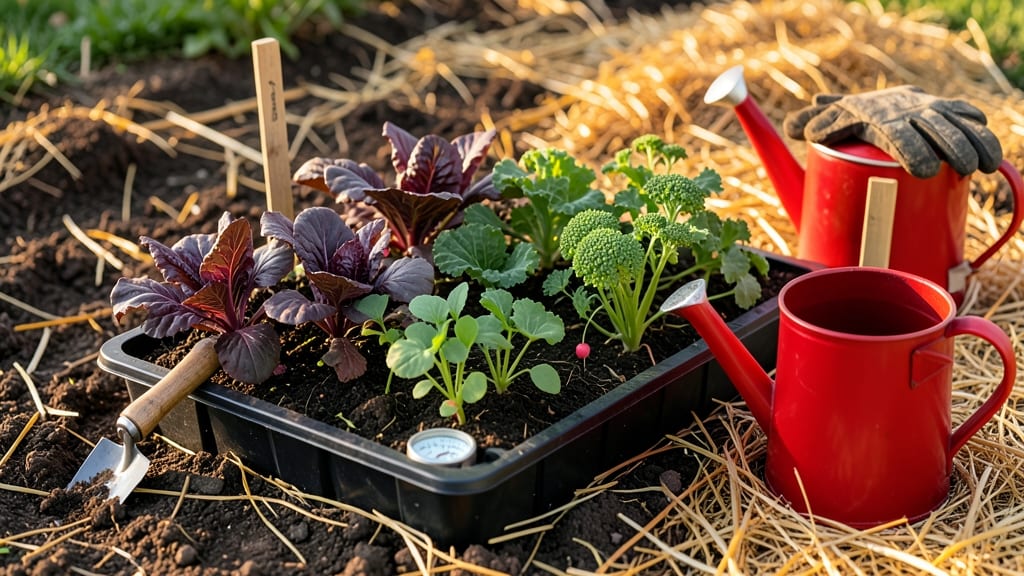
Planting a fall garden in Texas means timing it right to beat the heat and dodge early frost—typically between mid-August and early September for most of the state.
Texas gardeners know the summer heat can be brutal—but with the right timing, a fall garden can thrive while others give up. Plant too early, and you’ll battle scorching temperatures; too late, and frost ruins your harvest.
This isn’t just about avoiding the extremes; it’s about working with Texas’s unique climate. North Texas has cooler nights, while South Texas stays warmer longer, so your planting window shifts depending on where you live.
Below, I’ll break down the exact dates by region, the heat-tolerant crops that perform best, and how to stretch your harvest until Thanksgiving—no matter which part of the state you’re in.
Best planting dates for Texas fall gardens by region
Texas' diverse climate means your fall garden timing depends heavily on your region. North Texas has cooler nights earlier, while South Texas stays warm longer. Central Texas falls somewhere in between, with first frost dates that vary by 3-4 weeks.
Understanding these differences ensures your cool-season crops like broccoli and kale get a strong start before winter sets in.
For North Texas (USDA Zones 7-8), the ideal window opens around mid-August for heat-tolerant crops like Malabar spinach. By early September, you can safely plant lettuce and radishes, which handle cooler temperatures better.
The first frost typically arrives in early November, so plan to harvest or protect tender plants by then.
In Central Texas (Zones 8-9), you’ve got a little more flexibility. Start sowing cool-season seeds like carrots and peas in late August, with transplants going in by mid-September. The region’s last frost date averages around November 15, giving you a longer growing window than North Texas.
South Texas (Zones 9-10) gardeners can push the envelope even further. Begin planting heat-resistant varieties like Swiss chard in early September, with most cool-season crops thriving until mid-October. The first frost rarely arrives before December, allowing for extended harvests with proper protection.
| Region | Planting Window | Key Crops | First Frost | Pro Tip |
|---|---|---|---|---|
| North Texas | Mid-August - Early Sept | Kale, Spinach, Broccoli | Early November | Use row covers for late crops |
| Central Texas | Late August - Mid-Sept | Lettuce, Radishes, Peas | Mid-November | Mulch to retain soil warmth |
| South Texas | Early Sept - Mid-Oct | Swiss Chard, Malabar Spinach | December | Extend season with cold frames |
Timing isn’t just about dates—it’s about soil temperature too. For most cool-season crops, aim for soil temps below 85°F. Use a soil thermometer to check before planting. If temps are still high, opt for shade cloth or wait a week or two for conditions to improve.
Don’t overlook succession planting as a strategy to maximize your harvest. After your first planting of lettuce or spinach, sow a second batch 2-3 weeks later. This staggered approach ensures a continuous supply of fresh greens even as temperatures drop.
If you’re new to fall gardening in Texas, start with heat-tolerant varieties like collard greens or turnips. These handle the transition from summer to fall better than delicate crops. Pair them with fast-maturing crops like radishes (30 days) to guarantee a harvest before frost.
For container gardening, adjust your timeline slightly. Potted plants warm up faster and cool down quicker than in-ground gardens. Plant cool-season crops in containers 1-2 weeks earlier than the recommended window, and move them to sheltered spots as temperatures drop.
Monitor your local weather forecasts in the weeks leading up to planting. Unexpected cold snaps can push frost dates earlier, especially in North Texas. Having row covers or a small greenhouse on hand gives you flexibility to protect tender seedlings if needed.
Remember, the goal is to harvest before frost, not after. Plan your planting dates backward from your expected first frost, accounting for each crop’s days to maturity.
For example, if your frost date is November 15 and you’re growing broccoli that takes 60 days, plant by September 15.
Heat-tolerant fall vegetables that thrive in Texas heat
When the Texas summer heat finally eases, it’s time to plant for fall—but not all vegetables handle our lingering warmth the same way. The key to success is choosing heat-tolerant varieties that won’t bolt or wilt in 90°F+ temperatures while still maturing before early frost.
These powerhouse plants keep producing long after other crops give up, giving you a longer harvest window and fresher produce straight from your garden.
My top picks for Texas fall gardens are varieties that thrive in USDA Zones 7-10 and can handle late-summer heat while still maturing before the first frost.
Whether you're in North Texas or the Rio Grande Valley, these plants will reward you with bold flavors and high yields even when temperatures dip. Let’s dive into the top 10 heat-resistant fall vegetables that perform exceptionally well in Texas conditions.
- 🌱 Malabar Spinach
- 🌿 Swiss Chard (Bright Lights)
- 🌶 Black-Eyed Peas (Cowpeas)
- 🥬 Okra (Clemson Spineless)
- 🌻 Sweet Potatoes (Beauregard)
- 🥔 Yam (Centenary)
- 🌿 Collard Greens (Georgia Southern)
- 🌱 Mustard Greens (Southern Giant Curled)
- 🌿 Amaranth (Red Garnet)
- 🥕 Turnips (Tokyo Cross)
Soil Prep: Amend with compost for well-draining soil
Sun Needs: 6-8 hours daily
Watering: Deep watering 2-3x per week
For Malabar spinach and okra, start seeds indoors in late July to give them a head start, then transplant outdoors in early August. These plants love the heat and will keep producing until first frost.
Meanwhile, Swiss chard and collard greens can handle direct sowing in mid-August, thriving in temperatures that would kill other greens.
To extend their growing season past early frost, use row covers or mulch heavily with straw to insulate roots. I’ve had black-eyed peas and amaranth survive light frosts with just a little extra protection.
These plants are also drought-tolerant, making them perfect for Texas’s unpredictable rainfall patterns. Just remember to water deeply during establishment to encourage strong root growth.
One of my favorite tricks is to plant fast-maturing varieties like Tokyo Cross turnips in late August for a harvest before temperatures drop too low. These turnips mature in just 45 days and handle heat better than traditional varieties.
Pair them with sweet potatoes, which thrive in warm soil and can be started from slips in mid-August for a fall harvest.
Don’t forget to rotate crops to prevent soil depletion. If you grew tomatoes or peppers in the same spot this summer, move your fall greens to a new area. This simple step reduces pest pressure and improves soil fertility for next year’s garden.
With these heat-tolerant varieties and a little planning, you’ll enjoy a productive fall garden long after your neighbors have packed up their tools.