
Planting
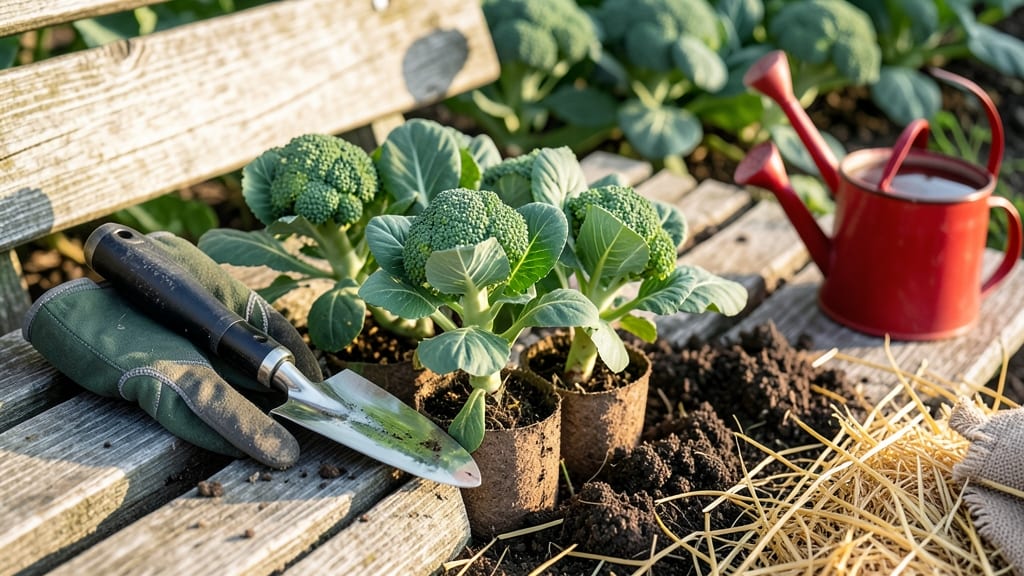
Planting a fall garden in Missouri between mid-August and mid-September unlocks a second harvest before frost—if you time it right.
Picture this: crisp air, golden leaves, and a garden still producing fresh greens and root veggies while your neighbors are already bundling up. That’s the magic of a well-timed fall garden, but miss the window, and you’ll be left with stunted plants or bolted greens.
In Missouri’s 5b-6b zones, the first frost can sneak up as early as mid-October, so knowing exactly when to plant is the key to a bountiful yield.
This isn’t just about throwing seeds in the ground and hoping for the best. The right timing depends on your zone, the crop, and even the moon phase (yes, really).
Whether you’re growing leafy greens like kale or hearty roots like carrots, planting too early or too late can mean the difference between a harvest and a disappointment.
Below, I’ll break down the exact planting dates for Missouri’s zones, the best crops for fall, and how to stretch your garden’s season with simple tricks like row covers. By the end, you’ll know not just when to plant, but how to protect your investment until the first snowflakes fall.
Missouri fall planting calendar by growing Zone (5a, 5b, 6a, 6b)
Missouri’s fall planting window is short but sweet—just 4-6 weeks before your first frost. In Zone 5a, where frosts can hit as early as October 10, timing is critical. For Zone 6b, you’ve got until mid-October to sow cool-season crops.
The key? Start transplants (like broccoli or cabbage) in late July to early August, while direct-sowing (carrots, lettuce) waits until mid-August.
Your first frost date determines everything. In Zone 5a, it’s typically October 15, while Zone 6b areas often see frost 2 weeks later. Planting too late risks stunted growth or frost damage before harvest.
Use this calendar to align your cool-season crops with Missouri’s fall frost timelines for a bountiful harvest.
Here’s your zone-specific fall planting guide, including transplant vs. direct-sow recommendations and harvest windows. Pro tip: Succession plant fast-maturing crops like radishes every 2 weeks to extend your harvest.
🌱
For Zone 5a, prioritize fast-maturing crops like radishes (25 days) or bush beans (50 days). In Zone 6b, you can afford slightly slower growers like Brussels sprouts (90 days) or cabbage (80 days).
Always check seed packets for days to maturity and count backward from your first frost date.
Direct-sowing is ideal for root vegetables (carrots, beets) and leafy greens (lettuce, spinach), while transplants give you a head start with brassicas (broccoli, cabbage). Start seeds indoors 4-6 weeks before transplanting to harden off seedlings before they hit the garden.
Missouri’s fall soil temps drop faster than summer, so amend beds early with compost or aged manure to improve drainage. Cool-season crops thrive in 50-65°F soil, so avoid planting when soil is still warm from summer. Test soil 2-3 inches deep—if it’s above 70°F, wait a week.
Use row covers or cold frames to extend harvests in Zone 5a/5b by 2-3 weeks. For Zone 6b, you can push harvests into early December with protection. Just remove covers during the day to prevent heat stress and secure them at night.
🌿
Don’t forget to succession plant every 2 weeks for continuous harvests. For example, sow lettuce on August 15, August 30, and September 15 to enjoy fresh greens through November. This trick
Best fall vegetables for Missouri gardens and their planting deadlines
Missouri’s fall garden thrives when you plant the right cold-hardy vegetables at the perfect time. The key is timing—plant too early, and your crops bolt; too late, and frost ruins them.
I’ve ranked the top 8 fall vegetables by yield and resilience, with exact planting deadlines for Missouri’s USDA Zones 5b-6b.
For Zone 5b (northern MO), aim for late August to early September plantings, while Zone 6b (southern MO) gardeners have until mid-September. These cool-season crops tolerate light frost, but a hard freeze will damage most. Use row covers to extend harvests if needed.
- 🥬 Kale - Plant 8/15-9/1 (Zones 5b-6b). 60-70 days to harvest. Last chance: 9/15 for Zone 6b. Sweeter after frost!
- 🌱 Spinach - Sow 8/20-9/5. 30-45 days to harvest. Avoid late plantings—bolts quickly in heat.
- 🥕 Carrots - Direct sow 8/1-9/10. 60-80 days to harvest. Use loose soil to prevent forking.
- 🥦 Broccoli - Transplant 8/1-9/15. 60-90 days to harvest. Harvest heads before yellowing.
- 🥬 Swiss Chard - Plant 8/10-9/10. 50-60 days to harvest. Cut-and-come-again for prolonged yields.
- 🥬 Lettuce - Sow 8/15-9/20. 30-50 days to harvest. Use shade cloth in hot spells.
- 🥬 Radishes - Quickest crop! Plant 8/1-10/1. 25-30 days to harvest. Perfect for succession planting.
- 🥬 Turnips - Sow 8/1-9/15. 50-60 days to harvest. Both roots and greens are edible!
My top pick for beginners is radishes—they grow fast and mark your soil for slower crops. For highest yields, prioritize kale and broccoli, which handle Missouri’s fall temperature swings better than most.
Always check your last frost date (usually mid-October in Zone 5b, late October in Zone 6b) and plant 6-8 weeks before it.
Pro tip: Direct-sow carrots and radishes—they hate transplanting—while broccoli and kale do better as transplants. Use well-draining soil amended with compost to prevent rot in moist fall conditions. Water deeply morning or evening to avoid fungal issues.
Miss the planting window? Don’t despair! Succession plant radishes and lettuce every 2 weeks until mid-September for staggered harvests. And if frost hits early, harvest leafy greens before they freeze—they’ll still taste great!
Start with these 8 cold-hardy crops, and you’ll enjoy a bountiful fall harvest even as temperatures drop. Happy gardening! 🌱