
Planting
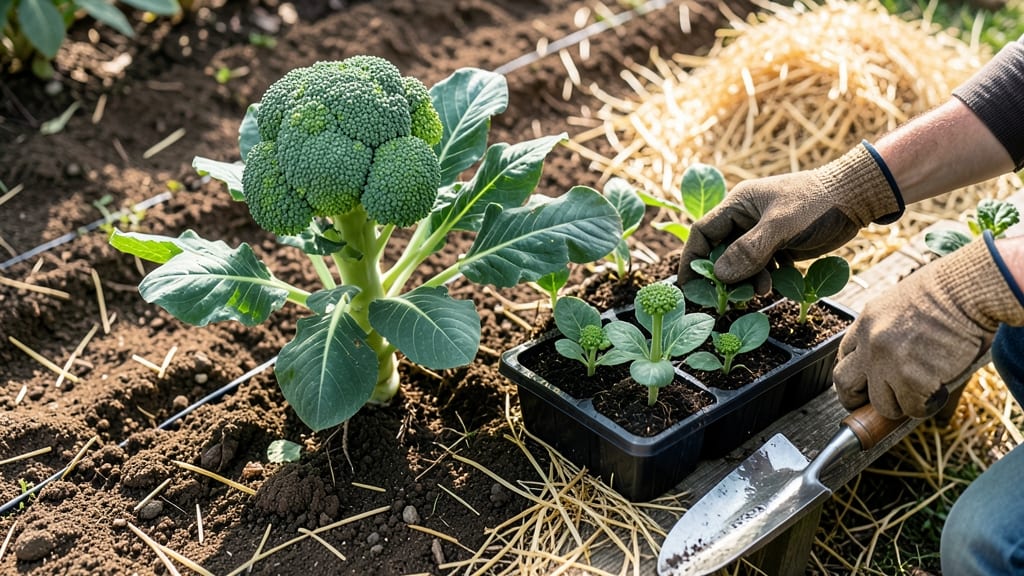
Planting a fall garden in North Carolina means timing your crops to beat the first frost while making the most of the state’s long growing season—but get it wrong, and your kale or broccoli could bolt or freeze before you even harvest.
Picture this: you’ve spent weeks prepping soil, sowing seeds, and nurturing seedlings, only to watch them wilt under an early October freeze.
That’s why knowing exactly when to plant in your specific zone—whether you’re in the Piedmont’s Zone 7b or the Coastal Plain’s Zone 8a—is the difference between a bountiful harvest and a wasted season.
North Carolina’s fall planting window starts as early as mid-July for heat-loving crops like sweet potatoes and stretches into September for frost-hardy greens. But without a clear schedule, you might miss the sweet spot—planting too soon risks heat stress, while waiting too long leaves your garden vulnerable to cold snaps.
In this guide, I’ll break down the ideal planting dates by zone, share which crops thrive in NC’s fall climate, and give you pro tips to extend your harvest well past Thanksgiving. Ready to turn your backyard into a fall feast? Let’s get started.
NC fall planting calendar by Zone: exact dates for cool-season crops
North Carolina’s fall planting window is your golden opportunity to grow hardy vegetables before winter sets in. With USDA Zones 5b through 8a, your exact planting dates depend on when the first frost arrives—typically between late October and mid-November.
But don’t wait too long! Cool-season crops need time to mature before temperatures drop below 20°F.
In Zone 5b (mountains like Boone), your window closes earliest—around September 15 for transplants and August 15 for direct sowing. Meanwhile, Zone 8a (coastal areas like Wilmington) can plant until October 31 for frost-tolerant crops. The key is matching your crop’s maturity days with your zone’s frost-free period.
Here’s the breakdown: leafy greens like kale and spinach tolerate light frosts, while root crops like carrots and beets need protection once temps dip below 30°F. Broccoli and cabbage thrive in cool weather but won’t survive hard freezes. Let’s dive into the exact dates for each zone.
For Zone 5b and 6a, prioritize fast-maturing varieties like ‘Winterbor’ kale (30 days) or ‘Early Wonder’ broccoli (45 days). These zones have the shortest frost-free periods, so aim to harvest before December 1.
In Zone 8a, you can push the envelope with ‘Sugar Snap’ peas or ‘Red Russian’ kale, which handle light frosts beautifully.
Pro tip: Use row covers or cold frames to extend your harvest window by 2–4 weeks. For example, in Zone 7a, you can plant spinach as late as October 1 with protection. Always check your local Cooperative Extension Service for microclimate adjustments—mountain valleys frost earlier than nearby ridges.
Start seedlings indoors 4–6 weeks before your zone’s transplant window. For instance, if you’re in Zone 6b, begin broccoli seeds around August 1 for September transplants.
This head start ensures robust plants ready to handle fall’s cooler temps. Remember, soil temperature matters too—ideal range is 50–75°F for most cool-season crops.
Best fall vegetables for NC gardens: what to plant and when
Fall gardening in North Carolina rewards patience with crisp harvests, but selecting the right cool-season crops and planting at the perfect time is key. The Piedmont and Coastal regions have different frost dates, so I’ve tailored this guide to help you avoid frost damage while maximizing yields.
Whether you're in Zone 5b or Zone 8a, these vegetables thrive when planted at the right moment.
For early fall (August-September), focus on heat-tolerant varieties like bush beans and Southern peas that can handle residual summer heat. Mid-fall (October-November) is prime time for leafy greens and root vegetables, while late fall (December) is limited to the hardiest crops.
Let’s dive into the best options and their ideal planting windows.
🌱 3 Fastest-Growing Fall Crops for NC
Plant late August to early October for quick harvests. Varieties like 'Cherry Belle' or 'French Breakfast' thrive in cool soil.
Sow September-October for baby leaves or late October for overwintering varieties like 'Bloomsdale Long Standing'.
Direct-sow August-September for early roots or October for greens. 'Purple Top White Globe' is a reliable choice.
For Zone 8a (e.g., Raleigh, Wilmington), you can push the envelope with heat-tolerant greens like collard greens and mustard greens, which handle light frosts. In Zones 5b-7a, prioritize frost-hardy crops such as kale, carrots, and beets, which can survive light freezes.
Always check your local first frost date—typically mid-November in the Mountains and late November in the Coastal Plain.
Pro tip: Use row covers or cold frames to extend the season for lettuce and spinach in late fall. These tools add 4-6°F of protection, letting you harvest well into December. Just avoid planting frost-sensitive crops like cucumbers or peppers after early September—they won’t survive the cooler temps.
Start with transplants for broccoli, cauliflower, and cabbage in late August to give them time to establish roots before cooler weather sets in. For direct-seeded crops like radishes or turnips, sow every 2-3 weeks for a continuous harvest.
This succession planting strategy ensures you’ll always have fresh produce.
Don’t forget herbs like cilantro and parsley, which thrive in fall’s cooler temps. Plant them September-October for a flavorful harvest before winter. With the right timing and these top-performing crops, your NC fall garden will be a harvest bounty—not a bust! 🌿