
Planting
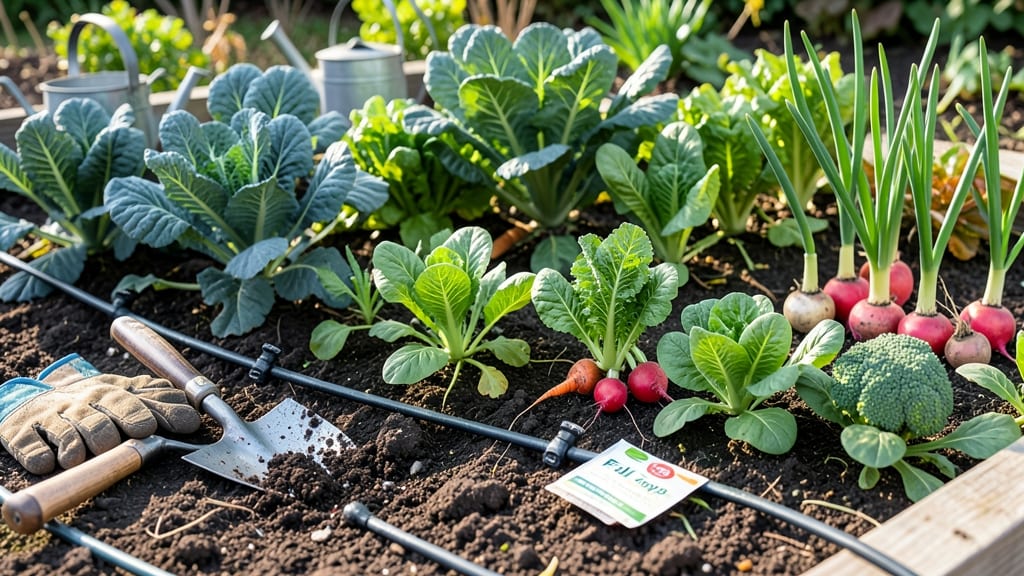
To plant a fall garden in South Texas, start between late July and mid-September—just as the summer heat begins to ease but before the first cool snap.
South Texas gardeners know the struggle: scorching summer heat can make fall planting feel like a gamble, but timing your garden right means cooler harvests and fewer pests. With the right heat-tolerant crops, you can beat the 90°F threshold and still enjoy a thriving 🌱 fall garden.
This isn’t just about avoiding the worst heat—it’s about leveraging South Texas’s mild winters for extended harvests. The key is choosing crops that handle residual summer warmth while prepping your soil to retain moisture when temperatures finally dip.
In this guide, I’ll break down the best planting windows, top heat-tolerant varieties for your zone, and soil tricks to keep your garden thriving until December. No more guesswork—just a reliable fall harvest.
Optimal planting timeline for South Texas fall gardens
South Texas gardeners face a unique challenge: the long, hot summers can make fall planting tricky, but with the right timing, you can enjoy a bountiful harvest before winter arrives.
The key is starting 60-90 days before the first expected frost (which rarely happens in Zone 9a-10a) or when daytime temps consistently drop below 90°F. This usually means late July to mid-September for most crops.
Your planting window depends on the crop—heat-tolerant varieties like okra and sweet potatoes can handle late summer heat, while cooler-loving greens like kale and spinach need to go in late August or September.
The goal is to beat the first cold snap while avoiding the peak summer heat that stresses seedlings.
🌱 South Texas Fall Planting Summary Table
| Stage | Action | Ideal Timeframe | Temperature Threshold |
|---|---|---|---|
| Soil Prep | Test pH, amend with compost | Late July - Early August | Soil temps >75°F |
| Start Seeds Indoors | Heat-tolerant greens (e.g., malabar spinach) | Mid-August | Indoor temps 70-75°F |
| Direct Sow Heat-Lovers | Okra, sweet potatoes, black-eyed peas | Late July - Early August | Soil temps >80°F |
| Transplant Seedlings | Tomatoes, peppers, basil | Mid-August - Early September | Daytime temps <90°F |
| Direct Sow Cool-Season Crops | Kale, spinach, lettuce, carrots | Late August - Mid-September | Daytime temps <85°F |
| Succession Planting | Radishes, turnips, arugula | September - October | Nighttime temps <75°F |
| Harvest Begins | Leafy greens, root veggies, herbs | October - December | Daytime temps <80°F |
For direct-sown crops, aim to plant okra and sweet potatoes by late July—they thrive in 90°F+ soil and can handle residual summer heat. Meanwhile, transplanting seedlings like tomatoes and peppers should wait until mid-August, when daytime temps start dipping below 90°F.
This timing ensures your plants establish roots before the cooler fall nights arrive.
If you're growing cool-season crops like kale or spinach, wait until late August or September—these plants bolt (go to seed) quickly in hot conditions. Use shade cloth (30-50%) if planting early to protect tender seedlings from intense afternoon sun.
Mulch heavily with straw or wood chips to retain moisture and keep roots cool.
One critical mistake South Texas gardeners make is planting too late—by mid-September, some crops (like lettuce) may not mature before cooler weather slows growth. To extend your harvest, try succession planting every 2-3 weeks with fast-growing crops like radishes or arugula.
These can be sown as late as October and still produce before winter sets in.
Monitor soil temperatures with a thermometer—ideal planting temps range from 70-85°F, depending on the crop. Root crops like carrots and beets prefer cooler soil (60-70°F), while leafy greens like spinach tolerate 6
Top 5 heat-tolerant vegetables for South Texas fall planting
When the South Texas sun still lingers in the 90°F range during late summer, most gardeners pack up their tools—but you don’t have to! These heat-tolerant vegetables thrive even as temperatures dip toward fall, giving you a head start on harvests before cooler weather arrives.
I’ve grown these in my own San Antonio garden, and they’ve never disappointed, even under the relentless August sun.
Choosing the right crops means avoiding bolting or wilting before you can enjoy your harvest. The key is selecting varieties that love the heat but also handle the transition to cooler fall nights.
Below are my top five picks, complete with planting depth and spacing guidelines tailored for South Texas conditions.
- 1 Okra: Plant seeds ½ inch deep in well-draining soil, spacing 18-24 inches apart. Thrives in 100°F+ heat and produces pods until first frost. My Clemson Spineless variety handles humidity better than others.
- 2 Sweet Potatoes: Slips (young plants) should go 1 inch deep, spaced 12 inches apart in rows 3 feet apart. They love hot, dry conditions and mature quickly—harvest in 90-120 days. My Beauregard variety resists disease in our clay-heavy soil.
- 3 Malabar Spinach: Sow seeds ¼ inch deep, spacing 12-18 inches apart. This heat-loving vine tolerates up to 95°F and produces tender leaves for months. It’s not true spinach but tastes similar—perfect for stir-fries!
- 4 Amaranth: Direct-sow seeds ½ inch deep, spacing 12 inches apart. This drought-resistant crop thrives in full sun and produces edible leaves and grains. My Red Garnet variety adds vibrant color to the garden.
- 5 Cowpeas (Purple Hull): Plant seeds 1 inch deep, spacing 4-6 inches apart. These nitrogen-fixing legumes handle heat and poor soil, producing tender pods and edible leaves. They’re also great for pollinator-friendly gardens!
For all these crops, mulching is non-negotiable in South Texas. A 2-inch layer of straw keeps roots cool and retains moisture, which is critical when daytime temps still flirt with 90°F in September. I’ve also found that drip irrigation in the early morning prevents heat stress and fungal issues.
Don’t wait until October to plant—these heat-tolerant varieties need 4-6 weeks to establish before cooler temps arrive. Start seeds indoors in late July or direct-sow in early August for a fall harvest.
With the right timing, you’ll have fresh okra pods and sweet potatoes long before most gardens even think about planting!
Pro tip: If you’re pushing the limits with late-summer planting, use shade cloth (30-50%) for the first 2 weeks to help seedlings acclimate. My Malabar spinach always struggles without it during 100°F+ days.