Planting
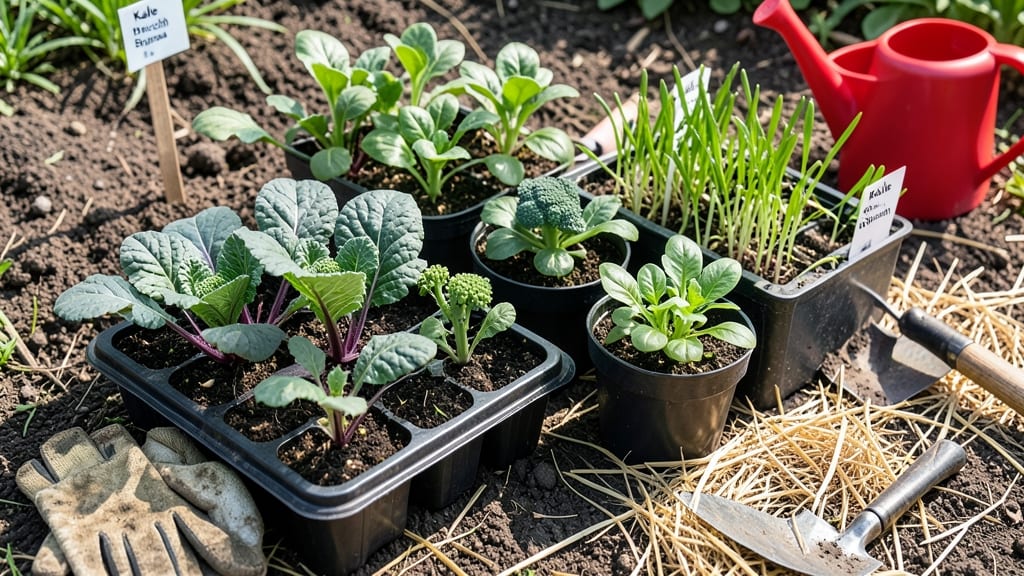
To plant a fall garden in Texas, aim for August through October in North Texas and September through November farther south, where the heat still lingers.
Texas gardeners know the summer heat can be brutal—but with the right timing, you can still grow a thriving 🥬 fall garden before the first frost. The key is beating the heat while avoiding early cold snaps that can ruin tender crops.
This isn’t just about picking a date; it’s about matching your crops to your zone. In Zone 8a, where frosts arrive by December, you’ll need to plant earlier than in Zone 10a, where mild winters stretch harvests into January.
Below, I’ll break down the exact planting windows, the best heat-tolerant crops for your region, and how to stretch your harvest well past the first frost—so you’re still reaping rewards when others are bundling up.
Texas fall planting timeline: heat-tolerant crops & frost dates by region
Timing is everything when planting a Texas fall garden. The Lone Star State's diverse climate means North Texas (Zone 8a) faces earlier frosts than South Texas (Zone 10a). Start planning now to avoid heat stress while maximizing your harvest window before winter sets in.
Most Texas gardeners begin preparing for fall crops in late July, but planting windows vary by region and crop type. Heat-tolerant vegetables like okra, sweet potatoes, and collards can handle summer's last blasts, while cool-season crops need 6-8 weeks before frost to mature.
Here’s your region-specific planting timeline, including last frost dates and ideal planting windows for North, Central, and South Texas. Use this as your garden roadmap to avoid common mistakes like planting too early or too late.
| Region & Zone | First Frost Date | Plant Heat-Tolerant Crops | Plant Cool-Season Crops | Harvest Window |
|---|---|---|---|---|
| North Texas (Zone 8a) | December 1 | August 1 - September 15 | September 1 - October 15 | October - November |
| Central Texas (Zone 8b-9a) | December 15 | August 15 - October 1 | September 15 - October 30 | October - December |
| South Texas (Zone 9b-10a) | January 1 | September 1 - November 1 | October 1 - November 15 | October - January |
Note: Adjust dates by 1-2 weeks based on microclimates (e.g., urban heat islands or elevated areas).
In North Texas (Zone 8a), where frosts arrive earliest, focus on quick-maturing crops like bush beans, turnips, and radishes for a late-September start. Okra and sweet potatoes thrive when planted in late August, giving them time to establish before cooler temps arrive.
For Central Texas (Zones 8b-9a), you’ve got a little more flexibility. Start heat-tolerant crops like collards and Swiss chard in mid-August, then transition to kale, broccoli, and carrots by mid-September. This staggered approach ensures a continuous harvest through December.
South Texas (Zones 9b-10a) gardeners can push the envelope further. Plant winter squash and pumpkins as early as September, while spinach and lettuce can wait until October. The extended growing season here means you might even harvest greens in January with proper frost protection.
Don’t forget to monitor local frost forecasts—even a light frost can damage tender crops. Use row covers or cold frames to extend your harvest window by 2-4 weeks. In Zone 8a, this could mean the difference between a bountiful fall garden and a frost-killed disappointment.
Pro tip: Direct-seed heat-tolerant crops like okra and southern peas in well-draining soil to avoid root rot during the transition from summer to fall. For cool-season crops, harden off seedlings by gradually reducing shade over 7-10 days before transplanting.
By following this region-specific timeline, you’ll avoid the most common fall gardening mistakes in Texas—like planting too late for a harvest or choosing crops that won’t survive local frosts. Start now, and you’ll be reaping the rewards by Thanksgiving!
Best heat-tolerant vegetables for Texas fall gardens (with planting depths & spacing)
Texas's late summer heat doesn't have to stop you from growing a productive fall garden. The key is selecting heat-tolerant varieties that thrive when daytime temps still hover in the 90s°F while nights begin to cool.
These crops handle Texas's unique transition from summer to fall better than traditional cool-season vegetables, giving you a head start on harvests before the first frost.
When planning your fall garden layout, focus on plants that can handle direct sun exposure and well-draining soil while still producing well in the 70-80°F range. Proper planting depths and spacing are critical—too shallow, and roots won't establish; too crowded, and airflow suffers, inviting pests and diseases.
Let's dive into the top 10 crops that excel in Texas's fall conditions.
⚠️ Comparison Table: Texas Fall Vegetables (Planting Depths & Spacing)
| Vegetable | Planting Depth | Spacing (inches) | Days to Harvest | Companion Plants |
|---|---|---|---|---|
| Okra | 1/2 inch deep | 12-18 inches apart | 50-65 days | Sweet potatoes, beans |
| Sweet Potatoes | 1 inch deep | 12 inches apart (rows 36 inches apart) | 90-120 days | Corn, beans, cucumbers |
| Collard Greens | 1/4 inch deep | 12-18 inches apart | 50-70 days | Onions, garlic, carrots |
| Swiss Chard | 1/2 inch deep | 10-12 inches apart | 45-60 days | Beets, lettuce, onions |
| Black-Eyed Peas | 1 inch deep | 4-6 inches apart (rows 18 inches apart) | 50-60 days | Corn, cucumbers, radishes |
| Malabar Spinach | 1/4 inch deep | 12-18 inches apart | 60-75 days | Peppers, tomatoes, beans |
| Peppers (Bell/Chili) | 1/2 inch deep | 18-24 inches apart | 60-90 days | Basil, onions, spinach |
| Eggplant | 1 inch deep | 18-24 inches apart | 70-90 days |