Planting
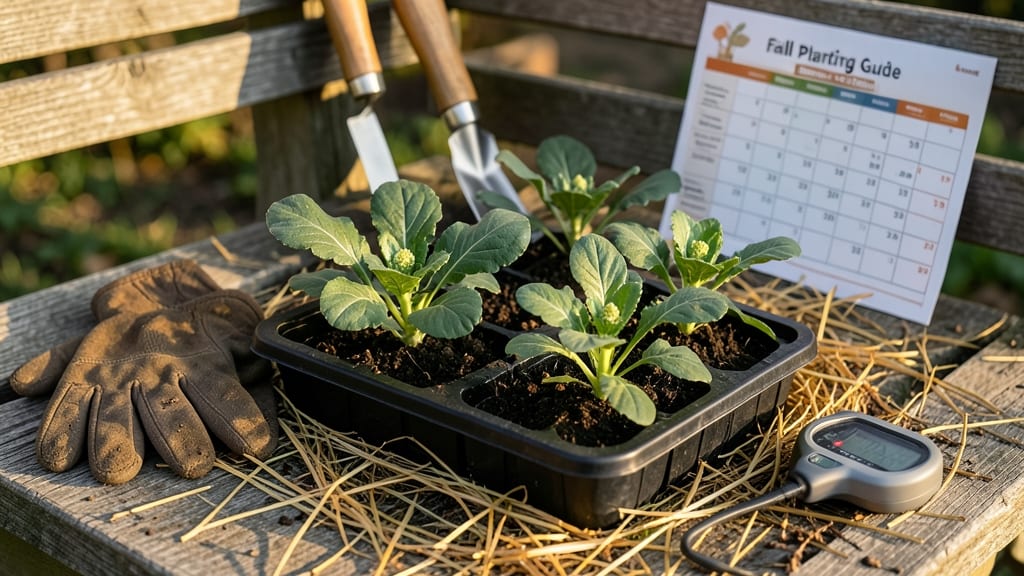
Planting your fall garden in Zone 7 starts 4-6 weeks before the first frost—around mid-September for most of the region.
Zone 7 gardeners know the struggle: timing your fall crops perfectly means the difference between a bountiful harvest and wasted seeds. But with the right strategy, you can still grow thriving vegetables even as summer fades into autumn.
Cool-season crops like kale, spinach, and carrots thrive in the crisp air of September and October, but planting too late risks stunted growth or frost damage. The key is knowing which varieties mature fast enough to beat the cold—and which ones need extra protection.
In this guide, I’ll break down the exact planting windows for your top fall crops, how to prep your soil, and pro tips to extend your harvest well past the first frost. No more guessing—just a foolproof plan for a productive fall garden.
Zone 7 fall planting timeline: exact weeks to start for maximum yield
Timing your Zone 7 fall garden correctly means the difference between a harvest that lasts until winter and one that fizzles before frost. Since Zone 7's first frost date typically lands around November 15, you'll want to start planting cool-season crops 4-6 weeks before that—meaning mid-to-late September.
This timeline accounts for maturity timelines and ensures your plants have enough time to thrive before cold sets in.
I’ve broken down the planting schedule by weeks before frost so you can align your planting with the exact growth stages of each crop. For example, leafy greens like spinach need just 30-45 days to mature, while root vegetables like carrots require 60-75 days.
By planning ahead, you can stagger plantings to enjoy a continuous harvest through October and November.
Here’s the key: Heat-tolerant varieties of cool-season crops can be planted slightly later. For instance, ‘Black Seeded Simpson’ lettuce or ‘Red Fire’ beets can handle warmer soil temperatures better than delicate varieties like ‘Winter Density’ kale.
This flexibility lets you squeeze in a second planting of fast growers even if the first frost sneaks up earlier than expected.
| Weeks Before Frost | Planting Window | Recommended Crops | Maturity Days | Notes |
|---|---|---|---|---|
| 8-10 weeks | Early September | Broccoli, Cabbage, Cauliflower, Kale, Carrots, Parsnips | 60-90 days | Start with slow growers; use row covers for early frost protection. |
| 6-8 weeks | Mid-September | Spinach, Lettuce, Radishes, Beets, Turnips, Swiss Chard | 30-60 days | Fast growers; ideal for succession planting. |
| 4-6 weeks | Late September | Arugula, Mustard Greens, Collards, Green Onions, Peas | 25-45 days | Heat-tolerant varieties; plant close to frost date. |
| 2-4 weeks | Early October | Radishes, Lettuce, Spinach, Garlic, Onion Sets | 20-35 days | Ultra-fast crops; use cold frames for extension. |
If you’re planting broccoli or cabbage—both slow-to-mature brassicas—start them 8-10 weeks before frost (early September). These crops need time to establish strong roots and develop frost-hardy heads.
On the other hand, radishes and arugula can be sown as late as 4 weeks before frost (early October) because they mature in just 25-30 days.
For root vegetables like carrots and beets, aim to plant them 6-8 weeks before frost (mid-September). These crops need consistent soil moisture and time to develop sweet, edible roots.
If you’re dealing with rocky or compacted soil, loosen it with a garden fork and mix in compost to encourage even growth. Uneven soil can lead to forked carrots or woody beets—neither of which you want in your fall harvest.
Don’t forget about herbs and greens that thrive in cooler weather. Cilantro, dill, and parsley can be planted 6-8 weeks before frost and often bolt less in fall than they do in spring.
These herbs add flavor and texture to your fall garden while being low-maintenance. Plus, they’re perfect for container gardening if space is limited.
One of my biggest mistakes early on was planting slow-growing crops too late. For example, I once tried to grow cauliflower from seed just 6 weeks before frost, and it barely formed a head before the cold set in.
Now, I start cauliflower indoors 6-8 weeks before transplanting to ensure it’s ready for the garden by mid-September. This extra step saves time and guarantees a harvest.
To maximize your fall garden yield, consider using succession planting. For instance, sow radishes every 2 weeks starting in early September. This way, you’ll have a continuous supply of fresh radishes instead of one big harvest followed by nothing.
The same strategy works for lettuce, spinach, and arugula, all of which thrive in cooler temperatures.
Best fall crops for Zone 7: fast-growing varieties that beat frost
When summer's heat finally cools in Zone 7, your garden doesn't have to take a break. The key is choosing fast-growing varieties that mature before the first frost—typically around November 15 in most areas.
These crops thrive in cooler temperatures and can even improve in flavor after a light frost. Let's focus on five top performers that deliver reliable harvests when timed correctly.
For maximum success, aim to plant these crops 4-6 weeks before your first frost date. This window ensures they reach maturity before temperatures drop too low. Some varieties, like radishes, can even handle light frosts, giving you extra flexibility.
Pairing these with smart companion planting will help you make the most of your space and boost yields.
🌱 Top 5 Fast-Growing Fall Crops for Zone 7
- 1. Radishes - Plant 8-10 weeks before frost (early August-September). Ready in 25-30 days. Frost-tolerant up to 25°F. Pair with carrots and lettuce.
- 2. Spinach - Sow 6-8 weeks before frost (late August-October). Harvest in 30-45 days. Thrives at 50-70°F. Plant near strawberries or brassicas.
- 3. Kale - Start seeds 6-8 weeks before frost (late August-September). Matures in 50-60 days. Sweeter after frost! Grows well with onions and celery.
- 4. Carrots - Plant 10-12 weeks before frost (early August). Ready in 60-70 days. Tolerates 28°F. Avoid planting near dill or parsley.
- 5. Beets - Sow 8-10 weeks before frost (early August-September). Harvest in 50-60 days. Handles 25°F well. Great near bush beans or lettuce.
Radishes are my go-to for quick harvests—they're ready in just 25-30 days, making them perfect for late summer planting. Their frost tolerance lets you enjoy them even after other crops have bolted. For best results, choose varieties like 'Cherry Belle' or 'French Breakfast'—both handle heat and cool temperatures well.
Spinach and kale are powerhouses in fall gardens because they actually taste better after a light frost. Plant spinach varieties like 'Bloomsdale Long Standing' for reliable performance, while kale like 'Winterbor' can withstand 20°F temperatures. Both thrive in partial shade, making them ideal for containers or garden edges.
Root vegetables like carrots and beets need consistent moisture to grow straight and sweet. Loosen the soil before planting to prevent forking, and keep the area weed-free for the first few weeks. Beets like 'Detroit Dark Red' are especially rewarding—their greens are edible too, doubling your harvest!
Maximize your space by using companion planting. For example, radishes grow quickly and mark rows for slower carrots, while lettuce shades the soil to keep roots cool.
Avoid planting onions near beans or peas—they compete for nutrients. With these strategies, you'll turn late-season sunlight into a flavorful, frost-resistant harvest.