Planting
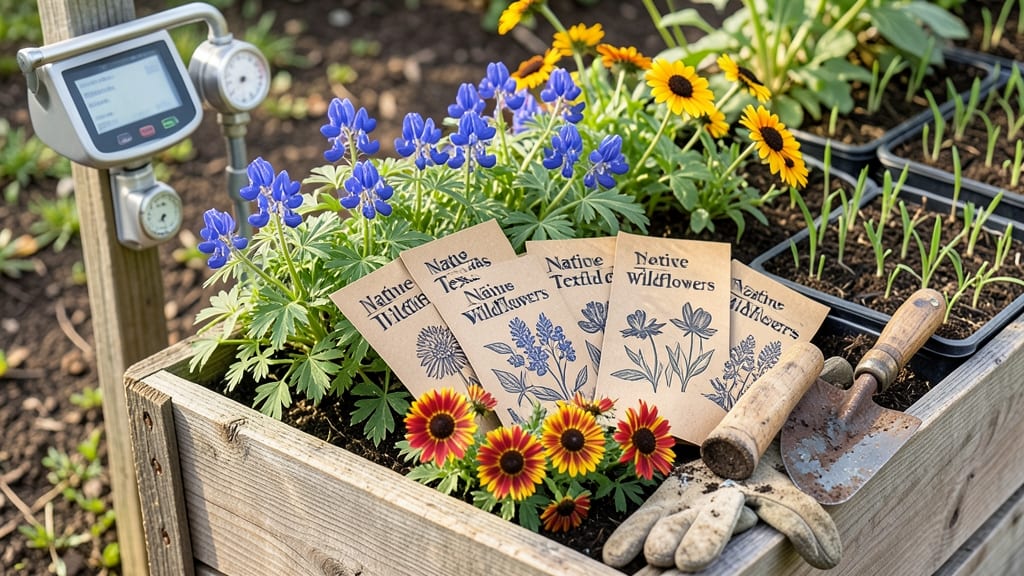
Planting a garden in Central Texas at the right time means the difference between a thriving harvest and a sad pile of wilted seedlings.
Central Texas gardeners face a unique challenge: scorching summers and unpredictable winters. Planting at the wrong time can mean wasted seeds or stunted growth—so timing is everything.
With USDA zones 8a-8b and 210-240 frost-free days, your planting window is narrow but packed with opportunity. Fall and early spring are your sweet spots, but even summer offers tricks for heat-lovers like okra and sweet potatoes.
Here’s exactly when to start seeds, transplant seedlings, and stretch your growing season—plus how to beat the heat or dodge an early frost without losing your crop.
Central Texas planting zones & first frost dates by month
Central Texas spans USDA zones 8a and 8b, where frost dates can swing wildly between years. Austin, Waco, and San Antonio all share similar last frost dates in mid-March and first frost dates around mid-November, but microclimates create subtle differences.
Understanding these windows helps you avoid wasted seeds or frost-damaged plants—especially for cool-season crops like lettuce and warm-season crops like tomatoes.
Your frost-free period typically lasts 210-240 days, leaving a narrow window for spring planting before summer heat sets in. Fall planting offers a second chance, with September through November being ideal for cool-season vegetables and perennials. Let’s break down the key months and what you can plant when.
In spring, your goal is to
Best heat-tolerant vegetables to plant during Central Texas summer months
When Central Texas temperatures soar past 100°F, most vegetables wilt—but not these resilient summer stars. These 8 heat-tolerant crops thrive in our brutal summers with minimal fuss, rewarding you with bountiful harvests even when your neighbors' gardens look like deserts.
The secret? Deep watering, mulching, and choosing varieties bred for Texas heat.
Unlike cool-season crops that bolt in summer, these vegetables love the heat and actually taste sweeter after a few weeks of high temperatures. I’ve grown all of these in my San Antonio garden, and they’ve never failed me—even in August when the pavement feels like a griddle.
Let’s dive into the top performers and exactly when to plant them for maximum success.
🌡️ Top 8 Heat-Tolerant Vegetables for Central Texas Summers
- Okra – Plant March–May or September for fall harvests. Loves full sun and drought; water deeply 2x/week. Thrives in 100°F+ with minimal shade.
- Sweet Potatoes – Start slips April–June after last frost. Needs 6+ hours sun and well-draining soil. Water 1–2 inches/week; mulch heavily to retain moisture.
- Black-Eyed Peas (Cowpeas) – Sow March–July directly in full sun. Drought-tolerant; water 1x/week once established. Fixes nitrogen in soil!
- Southern Peas (Pinto, Butterbeans) – Plant April–June or August for fall crops. Prefers partial shade in peak heat; water deeply 2x/week.
- Peppers (Jalapeño, Serrano) – Transplant March–May or August–September. Needs full sun and consistent water (1 inch/week). Mulch to prevent soil splatter.
- Eggplant – Start seeds February–April indoors; transplant March–May. Loves heat but hates drought—water daily in 100°F+ weather.
- Malabar Spinach – Plant April–September in partial shade. Thrives in 90°F+; water 2x/week. Non-toxic and evergreen in mild winters.
- Sorghum (Sweet or Broomcorn) – Sow April–June for summer harvests. Drought-resistant; water 1x/week once established. Great for shade and pollinators!
My #1 pro tip: Mulch everything with 2–3 inches of straw or wood chips to lock in moisture and keep roots cool. I’ve seen okra plants in my Austin garden produce pods 12 inches long when mulched properly—even in 105°F heat.
Pair this with drip irrigation to avoid wetting leaves (which increases disease risk), and you’ll have a summer garden that outperforms spring plantings.
For shade-loving varieties, focus on Malabar spinach and Southern peas, which handle partial shade in the afternoon when the sun is harshest. These are my go-to crops for container gardens on patios or balconies where full sun isn’t an option.
Just ensure they get at least 4–6 hours of morning sun for best growth.
Watering is where most Central Texas gardeners trip up. These heat-lovers hate soggy soil but need consistent moisture. I use a soaker hose set on a timer for 30 minutes every morning during peak summer.
If you’re watering by hand, aim for 1–2 inches per week, and always water at the base—never overhead. This simple habit cuts down on fungal diseases like powdery mildew, which can devastate summer crops.
Don’t forget to harvest regularly to encourage more production. With okra, for example, I pick pods every 2–3 days or they’ll turn woody and tough. The same goes for peppers and eggplant: harvesting stimulates new fruit and keeps plants productive well into October.
My sweet potato vines even keep producing tubers until the first frost—usually mid-November in Central Texas.