
Planting
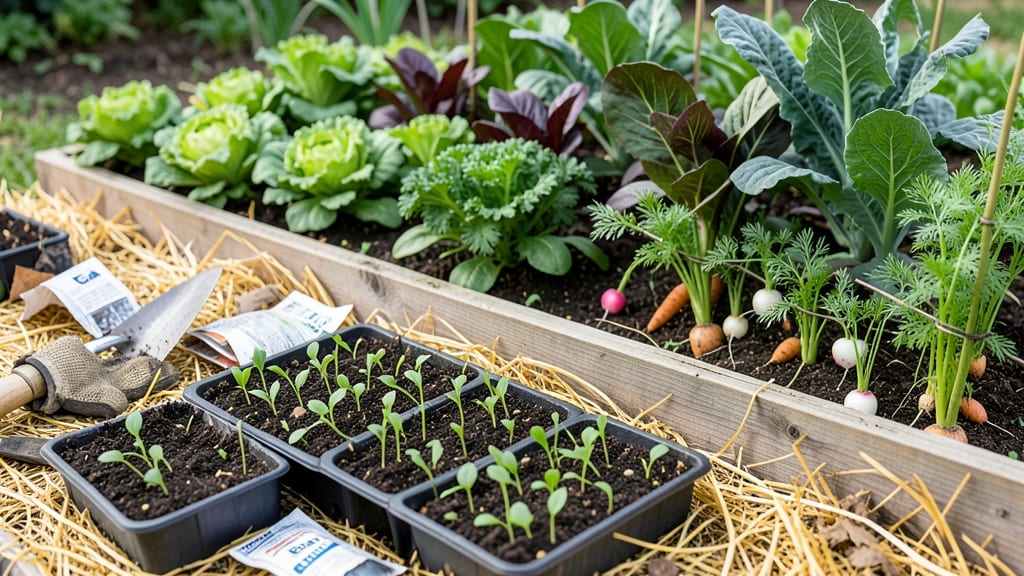
Planting your Indiana garden at the right time means the difference between a bountiful harvest and a sad, frost-nipped failure — and the last frost date is your best guide.
Indiana’s unpredictable spring weather can make planting your garden a high-stakes guessing game—get the timing wrong, and you risk frost damage or stunted growth. But with the right frost-free dates and plant-specific strategies, you can maximize your harvest from Zone 5 to 6.
Most Indiana gardeners aim to plant after April 15, but cooler northern zones (like 5b) may need to wait until early May, while southern areas (Zone 6b) can start as early as late March for hearty crops like peas and spinach.
Below, I’ll break down the exact planting windows for everything from cool-season greens to warm-weather tomatoes, plus how to adjust for late frosts or early heat. Ready to turn your 🌱 Indiana garden into a thriving success?
Indiana frost-free dates by Zone 5-6: the exact timeline for planting
Indiana’s Zone 5 and Zone 6 regions experience distinct frost timelines that can make or break your garden's success. The average last frost date in northern Indiana (Zone 5) typically lands around April 15, while southern Indiana (Zone 6) sees frost-free conditions about two weeks earlier.
These dates mark your green light to plant warm-season crops like tomatoes and peppers outdoors, but timing can vary yearly.
Understanding these dates helps you avoid frost damage to tender seedlings. For example, planting tomatoes too early in Zone 5 risks losing your entire crop to a late freeze. Meanwhile, cool-season crops like spinach or peas can handle light frosts and may even thrive when planted in early spring.
Historical data shows that late frosts in Zone 5 can occur as late as May 10, so planning ahead is key.
📅 Summary of Indiana Frost-Free Dates
Indiana’s microclimates add another layer of complexity. Urban areas like Indianapolis often experience heat islands, where pavement and buildings trap warmth, potentially allowing you to plant 1-2 weeks earlier than rural areas. Conversely, valleys and low-lying regions can hold frost longer, delaying your planting window.
Always check local weather forecasts and consider using frost prediction tools like the National Weather Service or Old Farmer’s Almanac for real-time updates.
To track frost dates accurately, use the USDA Plant Hardiness Zone Map alongside local observations. For instance, if you live near Lake Michigan, you might experience later frosts due to lake breezes.
Conversely, areas inland may warm up faster. Keeping a garden journal for 2-3 years will help you refine your planting schedule based on your specific microclimate.
For warm-season vegetables, wait until after the last frost to plant directly in the ground. If you’re eager to get a head start, use biodegradable pots or seedling trays indoors 6-8 weeks before your average last frost date.
This gives your tomatoes, peppers, and cucumbers a strong start before transplanting outdoors. Meanwhile, cool-season crops like lettuce and radishes can often tolerate light frosts and can be planted as early as March 1 in Zone 6.
Don’t forget about fall planting! In Zone 6, you can extend your growing season by planting cool-season crops like broccoli and spinach as early as August 15, giving them time to mature before the first frost.
In Zone 5, aim for September 1 to ensure a successful harvest. Using row covers or cold frames can further protect your plants from unexpected late frosts.
Pro tip: If you’re unsure about your local frost dates, consider using frost-sensitive plants like basil or impatiens as natural indicators. These plants won’t survive frost, so their health (or lack thereof) can give you a real-time read on your microclimate’s frost risk.
Pair this with a soil thermometer to monitor when the ground reaches 50°F, the ideal temperature for planting warm-season crops.
Finally, remember that historical averages aren’t set in stone. Climate change and local weather patterns can shift frost dates. Stay flexible, and don’t be afraid to adjust your planting schedule based on current conditions.
With the right timing, you’ll be well on your way to a bountiful Indiana garden! 🌱
Plant-specific Indiana planting calendar: when to start seeds vs. transplant
Indiana’s Zone 5-6 climate means your planting schedule must balance frost risks with soil warmth. Cool-season crops like spinach and peas thrive when soil temps hit 40°F, while tomatoes and peppers need 60°F+ to germinate. Timing these right ensures a longer harvest and avoids wasted effort.
For Indiana gardeners, the key is starting seeds indoors 6-8 weeks before the last frost (typically April 15 in Zone 5) and transplanting outdoor-hardy crops like kale and radishes as soon as soil thaws.
Warm-season plants, however, must wait until May 15-June 1 for consistent warmth, with succession planting every 2-3 weeks to stretch yields.
🌱 Indiana Planting Timeline by Crop Type
- 🥕 Cool-Season Crops (Start Seeds Indoors): Spinach, Peas, Lettuce – March 1-April 15 (soil 40°F+). Transplant outdoor by April 1.
- 🍅 Warm-Season Crops (Start Indoors or Buy Transplants): Tomatoes, Peppers, Eggplants – April 15-May 1 (soil 60°F+). Transplant after May 15.
- 🍓 Perennials (Plant Bare-Root or Transplants): Asparagus, Strawberries – March 15-April 30 (soil 50°F+). First harvest in Year 2-3.
- 🌻 Succession Planting (Every 2-3 Weeks): Bush Beans, Zucchini, Carrots – May 15-September 1 to extend harvest.
- 🍂 Fall Crops (Direct Sow After Labor Day): Kale, Radishes, Turnips – August 15-September 15 (soil 50°F+).
Indiana’s soil temperature is your best guide—use a soil thermometer to confirm readiness. For cool-season crops, aim for 40-50°F; warm-season plants need 60°F+. In Zone 5 (northern IN), wait until May 15 for tomatoes; in Zone 6 (southern IN), you can plant 2 weeks earlier.
Pro tip: Use row covers to protect early transplants from late frosts (common until May 10 in most areas).
For succession planting, sow bush beans every 2 weeks from May 15 to July 1 to avoid a glut of zucchini at once. Strawberries and asparagus are best planted in early spring (March-April) for established roots before summer heat.
Don’t overlook fall planting—kale and radishes thrive in cool September-October temps. Direct-sow after Labor Day for a winter harvest before the first frost (October 15). Peas can even be planted in late summer for a spring harvest the following year.
For Indiana-specific success, monitor local frost alerts (via NOAA or Purdue Extension) and adjust your schedule. Urban areas may warm up 1-2 weeks earlier than rural zones, so observe your microclimate. With this plant-specific calendar, you’ll avoid frost damage and maximize yields—no more guessing games! 🌿