
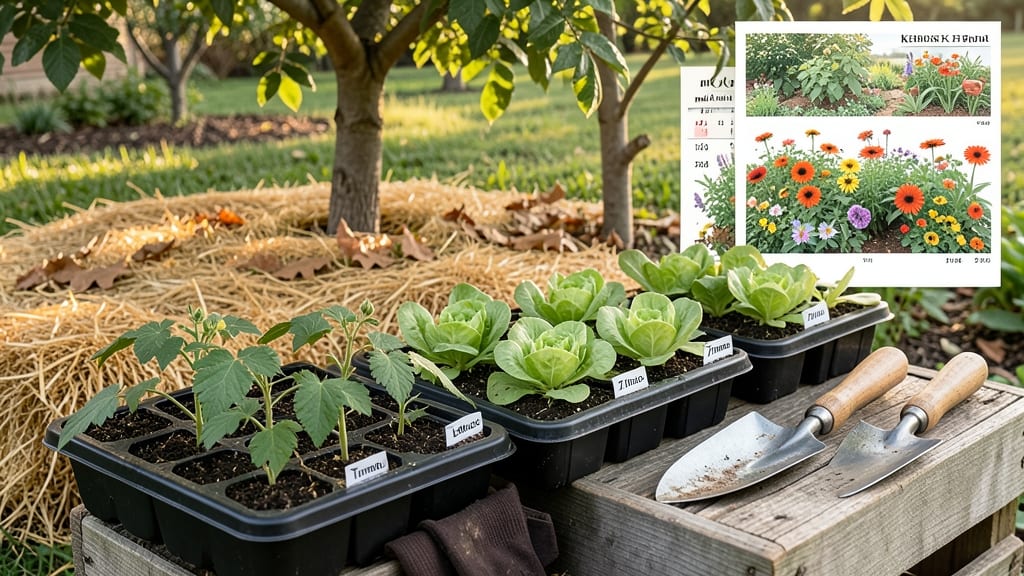
When to Plant a Garden in Kentucky: Frost-Free Deadlines by Zone 6-7b

Planting

When to Plant a Garden in Kentucky: Frost-Free Deadlines by Zone 6-7b

Planting your garden in Kentucky at the right time means the difference between a bountiful harvest and wasted seeds 🌱—and the key is knowing your zone’s frost-free dates.

Kentucky’s mild winters and humid summers create a gardener’s paradise—but planting at the wrong time can mean wasted seeds or stunted crops. Knowing your frost-free dates by Zone 6-7b ensures your tomatoes, peppers, and flowers thrive from the first day in the ground.

Cool-season crops like lettuce and broccoli need to go in the ground 4-6 weeks before your last frost, while warm-season favorites like beans and squash wait until 2-3 weeks after. Miss these windows, and you’ll either lose plants to frost or watch them bolt in the heat.

Below, I break down the exact planting schedule for Kentucky’s two zones, plus pro tips for extending your growing season with row covers and succession planting—so you can harvest longer and waste less.

🌱 When to Plant General Kentucky Garden Kentucky Garden
Jan ❄️
Feb 🌱
Mar 🌱
Apr 🌱
May 🌱
Jun 🌱
Jul ☀️
Aug ☀️
Sep 🍂
Oct 🍂
Nov 🍂
Dec ❄️
Ideal Time
Also Good

Kentucky frost-free dates by Zone 6-7b: when to plant cool vs warm-season crops

Kentucky’s USDA Zones 6-7b offer a generous growing season, but timing is everything. The average last frost date ranges from mid-April in Louisville to late April in rural areas, while first frost typically arrives in mid-October.

These dates create a 165-200 day frost-free window, perfect for both cool and warm-season crops—but planting too early or late can ruin your harvest.

For Louisville and Lexington, urban heat islands can push last frost dates 3-5 days earlier than rural areas. Meanwhile, valleys (like the Bluegrass Region) often experience frost 1-2 weeks later than hills or upland areas. Adjust your planting schedule accordingly to avoid frost damage or bolting vegetables.

Cool-season crops like lettuce, broccoli, and peas thrive when planted 4-6 weeks before your last frost date. In Kentucky, this means mid-March to early April for most areas.

Warm-season crops such as beans, squash, and tomatoes need soil temperatures above 60°F, so wait until 2-3 weeks after your last frost—typically mid-May.

Here’s your Kentucky planting timeline broken down by crop type and microclimate:

Crop Type Planting Window (Zone 6-7b) Louisville/Lexington Adjustment Rural Valleys Adjustment Key Notes
Cool-Season Crops March 15 - April 15 March 10 - April 10 (earlier) April 1 - April 20 (later) Use row covers for early starts; avoid planting after April 15 to prevent bolting.
Lettuce March 1 - April 15 February 28 - April 10 March 15 - April 20 Choose heat-tolerant varieties like 'Black Seeded Simpson'; succession plant every 2 weeks.
Broccoli March 15 - April 10 March 10 - April 5 March 20 - April 15 Harvest before heads flower; plant in partial shade to avoid bolting.
Warm-Season Crops May 1 - May 31 April 25 - May 25 (earlier) May 10 - June 1 (later) Wait until soil reaches 60°F; use black plastic mulch to warm soil faster.
Beans May 15 - June 15 May 10 - June 10 May 20 - June 20 Plant after last frost; choose bush varieties for easier harvests.
Squash May 10 - June 1 April 25 - May 15 May 15 - June 5 Thin seedlings to 2-3 ft apart; watch for squash vine borers.
Tomatoes April 20 - May 15 (transplant) April 15 - May 10

How to extend your Kentucky gardening season: cold frames, row covers, and Succession planting

Kentucky’s 165-200 frost-free days give us a long growing window—but you can stretch it even further with smart techniques. Whether you’re eager to harvest spinach in early spring or tomatoes in late fall, these methods help beat the clock while keeping costs low.

I’ve tested all three strategies in my Zone 6b garden and found they’re especially effective for Kentucky’s humid climate.

Row covers are my go-to for spring starts because they protect young plants from late frosts while still allowing sunlight and water to pass through. A lightweight frost blanket can raise soil temperatures by 5-10°F, giving you 3-4 extra weeks of planting time for lettuce, kale, and peas. For fall crops, cold frames are game-changers—they trap heat during the day and release it slowly at night, letting me grow carrots, radishes, and herbs until mid-November in most years.

Cold Frames vs. Row Covers vs. Succession Planting

Cold Frames
  • ✅ Extends season 8-10 weeks into fall
  • ✅ Protects from light frosts (down to 20°F)
  • ✅ Reusable for multiple years

Best for: Leafy greens, radishes, herbs

Row Covers
  • ✅ Adds 2-4 weeks to spring planting
  • ✅ Lightweight and affordable ($10-$20)
  • ✅ Prevents pest damage (cabbage moths, flea beetles)

Best for: Broccoli, cabbage, peas

Succession Planting
  • ✅ Ensures continuous harvests
  • ✅ No extra materials needed
  • ✅ Works for any crop (beans, lettuce, zucchini)

Best for: Bush beans, radishes, spinach

Cost

Cold Frame: $50-$150
Row Covers: $10-$20
Succession: $0

Effort

Cold Frame: Moderate
Row Covers: Low
Succession: Low

Best For

Cold Frame: Fall harvests
Row Covers: Spring starts
Succession: Year-round yields

For succession planting, the key is staggered sowing every 2-3 weeks. In my garden, I plant bush beans in three batches: the first in early May, the second in mid-June, and the third in early July.

This ensures a steady supply from June through September without overcrowding. The same strategy works for lettuce, radishes, and spinach—just adjust the timing based on your last frost date (typically mid-April in Kentucky).

One cost-saving tip I’ve learned is to combine methods. For example, I use row covers to jumpstart broccoli and cabbage in late March, then remove them once the plants are established.

Later in the season, I add straw mulch to a cold frame to insulate the soil and keep kale and carrots growing until Christmas in mild winters. The mulch alone can add 2-3 extra weeks of harvest time.

If you’re new to extending your season, start with row covers—they’re the easiest and most budget-friendly option. For a bigger investment, a DIY cold frame made from wooden boxes and plexiglass costs under $50 and can pay for itself in one fall harvest.

And remember: succession planting doesn’t require any extra tools, just a little planning. Even a small balcony garden can benefit from these techniques!

My biggest lesson? Kentucky’s climate is unpredictable, so always have a backup plan. Keep a garden journal to track which methods work best in your specific microclimate—whether you’re in a valley (cooler) or on a hillside (warmer).

With these strategies, you’ll enjoy fresh greens in March and tomatoes in October, no matter where you garden in the Bluegrass State. 🌱

★★★★★4.6(13 reviews)
Categories Planting