Planting
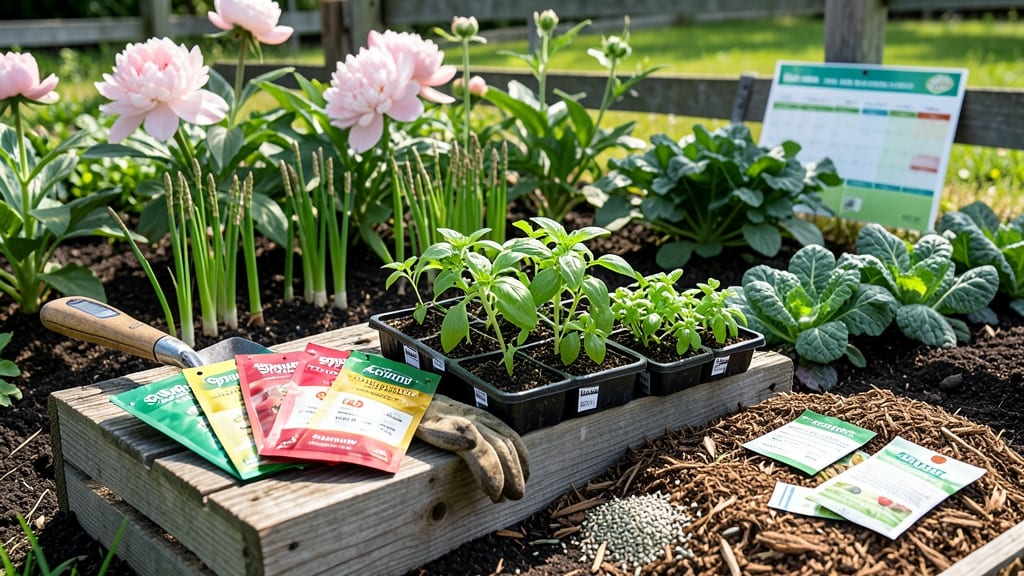
Planting your garden in Michigan at the right time means the difference between a bountiful harvest and a sad, frost-nipped disappointment.
Michigan’s unpredictable spring weather can turn a gardener’s excitement into frustration—planting too early risks frost damage, while waiting too long shortens your growing season. Timing is everything, and understanding Michigan’s Zone 5b-6b planting calendar ensures your garden thrives from seed to harvest.
Whether you’re sowing cool-season crops like spinach or waiting for warm-season favorites like tomatoes, knowing when to plant in Michigan isn’t just about dates—it’s about soil temperature, frost-free days, and regional microclimates.
The Upper Peninsula and Southern Lower Peninsula don’t always align, so we’ll break it down by zone to keep your 🌱 thriving.
In this guide, you’ll find a month-by-month planting timeline, tips for adjusting to Michigan’s weather quirks, and how to maximize your growing season—no matter where you are in the state.
Michigan’s last frost dates by region: when to plant cool-season vs. warm-season crops
Michigan’s Zone 5 climate creates distinct planting windows across its three main regions: the Upper Peninsula, Northern Lower Peninsula, and Southern Lower Peninsula.
These differences mean your last frost dates can vary by 2-3 weeks, directly impacting when you plant cool-season crops like lettuce or warm-season crops like tomatoes. Understanding these regional nuances helps you avoid frost damage while maximizing your garden’s potential.
For example, gardeners in Traverse City (Northern Lower Peninsula) can typically plant warm-season crops by May 15, while those in Detroit (Southern Lower Peninsula) might start as early as April 25. Meanwhile, the Upper Peninsula often waits until May 10 or later.
These dates are based on 30-year averages from the USDA and Michigan State University Extension, but always check local forecasts for real-time updates.
Here’s how to use these frost dates to plan your garden:
| Region | Avg. Last Frost Date | Cool-Season Crops (Plant) | Warm-Season Crops (Plant) | Fall Planting Window |
|---|---|---|---|---|
| Upper Peninsula (e.g., Marquette, Houghton) | May 10–15 | March 15–April 30 (hardy varieties) | May 15–June 1 (after frost) | August 1–September 10 |
| Northern Lower Peninsula (e.g., Traverse City, Grand Rapids) | May 1–5 | March 1–April 15 (cold-hardy crops) | May 10–15 (transplants) | July 20–August 20 |
| Southern Lower Peninsula (e.g., Detroit, Ann Arbor, Kalamazoo) | April 25–May 1 | February 20–March 31 (with row covers) | April 25–May 10 (direct sow) | July 15–August 15 |
*Dates are averages; monitor local forecasts for adjustments.
Cool-season crops like kale, spinach, and peas thrive in Michigan’s early spring and fall. In the Upper Peninsula, plant these March 15–April 30 for a spring harvest, then again August 1–September 10 for fall.
For the Southern Lower Peninsula, you can start as early as February 20 under row covers or a cold frame to extend the season.
Warm-season crops—think tomatoes, peppers, and beans—need soil temperatures above 50°F and frost-free conditions. In Northern Michigan, wait until May 15 to transplant seedlings, while Southern Michigan gardeners can start as early as April 25.
If you’re eager to plant earlier, use black plastic mulch or row covers to warm the soil faster.
Herbs like basil and cilantro also follow these rules: basil needs warmth and should wait until after the last frost, while cilantro bolts in heat and prefers cooler spring or fall planting. In Zone 5b (most of Michigan), cilantro planted in late August often survives until October before frost.
Pro tip: Use Michigan State University’s Frost/Freeze Forecast (updated weekly) to fine-tune your planting. For example, a late May frost in the Upper Peninsula might delay your tomato transplanting by another week. Always have row covers or frost cloth on hand for unexpected cold snaps.
For perennials and shrubs, timing matters too. Plant asparagus crowns in early spring (March–April) so they establish roots before summer heat. Meanwhile, daylilies or coneflowers can go in spring or fall, but avoid planting when the soil is frozen or waterlogged.
Remember, Michigan’s first frost typically arrives in mid-October in the south and early October in the north. This means your fall planting window closes by August–September, depending on the region. Use fast-maturing varieties or succession planting to squeeze in extra harvests before winter.
By aligning your planting with these region-specific frost dates, you’ll avoid the heartbreak of frost-nipped seedlings and enjoy a longer, more productive growing season. Happy planting! 🌱
Step-by-step planting timeline for Michigan gardens: month-by-month guide
Michigan’s short growing season demands precision—planting at the right time maximizes your harvest while protecting tender plants from frost. Whether you’re sowing cool-season crops like spinach or waiting for soil to warm for tomatoes, this month-by-month guide aligns with Michigan’s Zone 5 climate and regional frost dates.
Start by preparing your soil in early spring (March), then follow this timeline to plant everything from seeds to transplants. For succession planting, repeat sowings every 2–3 weeks to extend harvests through fall.
- March–April (Cool-Season Plants)
Sow hardy seeds like peas, lettuce, and spinach 4–6 weeks before last frost (mid-April in most regions). Transplant broccoli and cabbage starts in late March under row covers. - May (Warm-Season Prep)
Start tomato, pepper, and basil seeds indoors 6–8 weeks before last frost. Harden off seedlings in early May and keep them protected until soil reaches 50°F+. - Late May–Early June (Warm-Season Planting)
Plant transplants like tomatoes, peppers, and cucumbers 2 weeks after last frost. Direct-sow beans, corn, and squash when soil is consistently warm. - June–July (Succession Planting)
Sow bush beans, carrots, and radishes every 2 weeks for continuous harvests. Thin seedlings to avoid overcrowding. - August (Fall Crops)
Plant cool-season crops like kale, Brussels sprouts, and spinach 6–8 weeks before first frost (mid-October). Use black plastic mulch to warm soil for late tomatoes. - September–October (Winter Prep)
Sow garlic and hardy onions for next year. Cover perennials with mulch to protect roots from freezing.
For Michigan’s Upper Peninsula, delay warm-season planting by 1–2 weeks due to later frost dates. In Southern Michigan, you can push the season further by using cold frames or hoop houses to start plants earlier.
Pro tip: Monitor your local Michigan State University Extension frost date alerts for real-time adjustments. A frost cloth can add 2–4°F protection for early or late-season plants.
By following this timeline, you’ll avoid common mistakes like overcrowding seedlings or planting too late for a full harvest. Happy planting—your garden’s success starts with the calendar! 🌱