
Planting
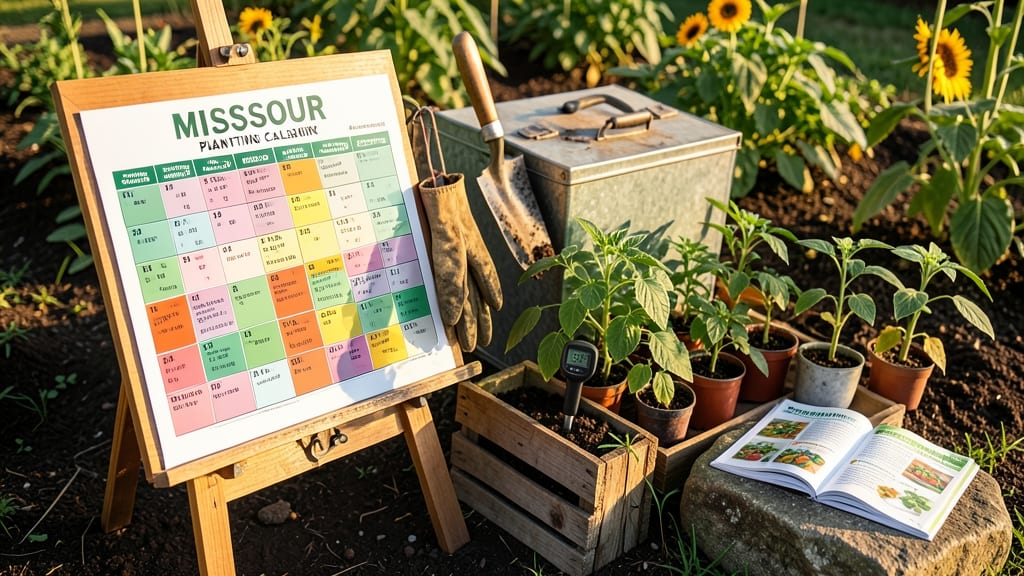
Planting your garden in Missouri at the right time means the difference between a bumper crop and a frustrating flop—especially when frost can sneak in even after the calendar says spring.
Missouri’s USDA Zones 5b-6b mean you’ve got a short window to get seeds in the ground before the heat or cold ruins your hard work. Get it wrong, and you’re staring at wilted seedlings or half-ripe tomatoes.
But nail the timing, and you’ll be harvesting fresh veggies from April to October.
This guide breaks down the exact month-by-month schedule for everything from cool-season greens to heat-loving peppers, plus how to adjust for Missouri’s microclimates—whether you’re in St. Louis, Kansas City, or rural farmland.
You’ll learn when to start seeds indoors, when to transplant, and how to stretch your growing season with simple tricks—so you can finally stop guessing and start growing.
Missouri planting zones: when to start seeds indoors vs. outdoor planting dates
Missouri spans USDA Zones 5b through 7a, meaning your planting schedule should account for last frost dates that vary by region.
In northern Missouri (Zone 5b), like Springfield, expect April 15 as your average last frost date, while southern Missouri (Zone 7a), including Columbia, typically sees March 20 as the safer cutoff.
These differences mean your tomatoes and peppers might go in weeks earlier in the Bootheel than in the Ozarks!
For seed starting indoors, Missouri gardeners should begin 4-6 weeks before your last frost date.
That means February 20 for northern gardens and early March for southern zones. Transplant seedlings outdoors only after soil reaches 60°F and nighttime temps stay above 50°F consistently. Direct sowing of cool-season crops like lettuce and spinach can start as early as March 1 in southern zones, but wait until April 1 in the north.
Here’s how your Missouri region impacts planting timelines:
| Region | USDA Zone | Last Frost | Start Indoors | Transplant Out | Direct Sow |
|---|---|---|---|---|---|
| St. Louis | 6a | April 5 | Feb 25 - Mar 10 | Apr 20 - May 5 | Mar 15 - Apr 15 |
| Kansas City | 5b | April 15 | Mar 1 - Mar 15 | May 1 - May 15 | Apr 1 - Apr 30 |
| Springfield | 6b | April 10 | Feb 25 - Mar 10 | Apr 25 - May 5 | Mar 20 - Apr 15 |
| Columbia | 7a | March 20 | Early March | Mar 25 - Apr 10 | Feb 20 - Mar 15 |
Warm-season vegetables like tomatoes and peppers need extra attention. Start these indoors by March 1 in southern zones and late February in the north. Transplant seedlings only after May 1 in northern Missouri to avoid late spring frosts.
For cool-season crops, like kale and carrots, you can direct sow as early as February in southern zones, but wait until March 15 in the north.
Herbs like basil and cilantro also follow these rules. Basil is a warm-season herb—wait until after May 1 to plant outdoors. Cilantro, however, thrives in cooler weather and can be direct sown in early spring or fall. Perennials like lavender should be planted in early spring (March-April) to establish roots before summer heat arrives.
Missouri’s first frost typically hits between October 15 and November 1, depending on elevation.
Use this as your fall planting deadline for cool-season crops. Broccoli and Brussels sprouts can handle light frosts, so plant these by September 1 for a winter harvest. Spinach and peas are even hardier—sow them as late as October 1 in southern zones.
Pro tip: Use row covers to extend your growing season by 2-3 weeks in spring or fall. This lets you plant earlier or later than the chart suggests.
Just remove covers during daytime warmth to prevent overheating. For urban gardeners, container plants warm up faster than in-ground soil, so adjust your
Best month-by-month planting calendar for Missouri gardens
Missouri’s spring and fall seasons offer the perfect windows for planting, but timing is everything. With USDA zones 5b-6b, your garden thrives when you align planting with soil warmth and frost-free periods.
I’ve broken down the best months for vegetables, flowers, and perennials to maximize your harvest and minimize frost risks.
Start by marking your last frost date (typically mid-April) and first frost (usually mid-October) on your calendar. These dates guide when to plant cool-season crops early and warm-season crops after the danger of frost has passed.
Missouri’s microclimates—like urban heat islands in St. Louis or cooler rural areas—can shift these dates by a week or two, so always check local forecasts.
- March: Plant cool-season veggies like peas, spinach, and lettuce. Start tomato and pepper seeds indoors 6-8 weeks before last frost.
- April: Transplant broccoli, cabbage, and onions after soil warms to 50°F. Begin flower bulbs like tulips and daffodils for spring blooms.
- May: Direct-sow beans, corn, and cucumbers after last frost. Mulch perennials to retain moisture.
- June: Plant warm-season flowers (marigolds, zinnias) and squash. Succession plant lettuce and radishes for fall harvests.
- July: Sow fall broccoli and kale. Deadhead annual flowers to encourage reblooming.
- August: Plant cool-season crops like carrots and beets for fall harvests. Divide perennials like daylilies.
- September: Last chance for spinach, arugula, and garlic. Mulch perennials heavily for winter protection.
- October: Plant winter rye cover crops to protect soil. Remove spent annual plants to tidy beds.
For warm-season crops like tomatoes and peppers, wait until soil temperatures consistently stay above 60°F—usually late May. In cooler microclimates, like northern Missouri, delay planting by 1-2 weeks. Use row covers to extend the season for early cool-season crops if frost threatens.
Missouri’s fall planting is just as crucial as spring. By August, focus on fast-maturing vegetables like radishes and turnips to harvest before the first frost. Perennials benefit from late-summer fertilization to strengthen roots for winter.
I’ve found that mulching perennials in September with straw or leaves adds an extra layer of protection against freezing temperatures.
Don’t forget to rotate crops annually to prevent soil depletion and disease. For example, plant legumes (beans, peas) in one bed this year, then tomatoes or peppers in the same spot next year. This simple practice keeps your Missouri garden productive and healthy for years to come.
With this calendar, you’ll avoid the common pitfalls of planting too early or too late and enjoy a garden that thrives from spring blooms to fall harvests. Happy gardening! 🌱