
Tools
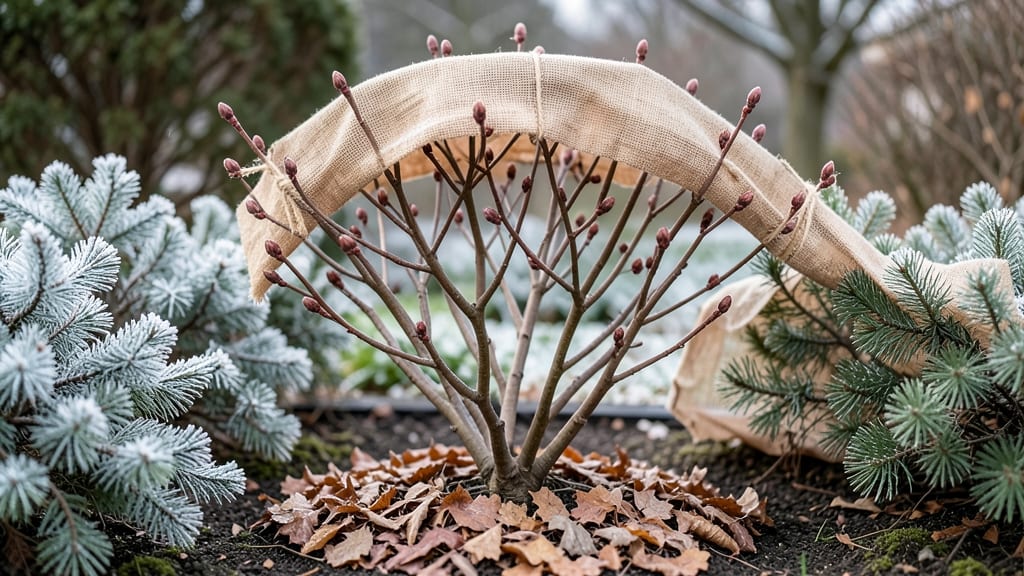
Winter protection for garden plants is the key to keeping your hard work alive until spring—and this 5-layer system makes it foolproof.
Picture this: You’ve spent months nurturing your garden, only for a sudden frost to turn your hard work into a sad, icy memory.
But what if I told you there’s a way to shield your plants like a cozy blanket, layer by layer, so they wake up ready to grow in spring?
The secret lies in combining insulation, mulch, and smart barriers to trap warmth while keeping moisture in the soil. Whether you’re in Zone 6a or beyond, these techniques work for everything from perennials to delicate shrubs.
Below, I’ll walk you through each layer—from airflow control to frost cloths—and show you exactly how to apply them for maximum protection. No more guessing, just results.
The 5-Layer winter protection system explained
Winter can be brutal on your garden, but with the right layered protection, you can shield plants from freezing temperatures and wind damage. This system mimics nature's way of insulating plants, using a combination of air circulation, insulation, and physical barriers.
Each layer works together to create a microclimate that keeps roots warm and foliage safe. Think of it like dressing for winter—you wouldn’t wear just one layer, would you?
The key to success is balancing protection without suffocating plants. Too many layers can trap moisture and promote rot, while too few leave them vulnerable. My approach focuses on customizable layers that adapt to your USDA hardiness zone and the specific needs of your plants.
For example, a tender perennial like lavender needs more insulation than a hardy shrub like boxwood. Let’s break down each layer so you can build your perfect winter shield.
Layer 1: Air Circulation is the foundation. Good airflow prevents ice buildup and reduces moisture loss from leaves. Prune dead or diseased branches before winter, and avoid overcrowding plants. For container gardens, elevate pots slightly to improve airflow around the base. This layer is often overlooked, but it’s critical for preventing fungal diseases that thrive in stagnant, cold air.
Layer 2: Insulation is where the magic happens. This layer traps heat near the roots, preventing soil from freezing solid. Use organic materials like straw, leaves, or pine needles to create a thick barrier. For container plants, wrap pots in bubble wrap or nest them in straw bales. Avoid plastic, which can insulate too well and trap moisture. In my Zone 6 garden, I’ve seen soil temperatures stay 10°F warmer with proper insulation during extreme cold snaps.
Layer 3: Mulch is your garden’s winter coat. Apply 3-4 inches of wood chips or shredded bark around the base of plants to insulate roots and retain moisture. For perennials, add a thicker layer (up to 6 inches) to protect crowns. Avoid fresh mulch, which can draw nitrogen from the soil. I always mulch after the ground freezes to prevent early thawing. This layer also suppresses weeds, giving you a head start in spring.
Layer 4: Frost Cloth is essential for tender plants like roses, lavender, or vegetable crops. Use a breathable frost cloth (rated for your zone) to cover plants before hard frosts. Secure it loosely to allow airflow and prevent moisture buildup. For young trees, wrap the trunk with burlap to protect against sunscald and rodent damage. I’ve saved entire herb gardens this way during unexpected late frosts.
Layer 5: Windbreaks are often the unsung heroes of winter protection. Wind chill can be just as damaging as frost, drying out plants and increasing moisture loss. Install temporary fencing, plant evergreen hedges, or use snow fences to block prevailing winds. Even a row of corn stalks left standing can make a difference. In exposed areas, I’ve seen windbreaks reduce temperature swings by 5-10°F, making all the difference for marginal hardy plants.
To apply this system, start with air circulation in early fall, then add mulch and insulation once temperatures drop. Cover with frost cloth only when frost is forecasted, and reinforce windbreaks before winter storms. Monitor
How to apply winter protection for different plant types
Not all plants need the same winter protection—what works for hardy perennials might smother tropical plants. The key is customizing the 5-layer system based on each plant’s needs.
Let’s break down how to adjust layers for perennials, shrubs, young trees, vegetables, and tropical plants to ensure they survive until spring.
The 5-layer system includes air circulation, insulation, mulch, frost cloth, and windbreaks. For perennials and shrubs, focus on root insulation and wind protection, while vegetables and tropical plants need lighter, breathable layers. Young trees require extra structural support to prevent winter damage.
-
Perennials
- Apply 4-6 inches of mulch (straw or shredded leaves) after first frost.
- Use frost cloth only if temperatures drop below 15°F.
- Secure with bricks or stakes to prevent wind damage.
-
Shrubs
- Wrap tender stems with burlap or frost cloth.
- Add 2-3 inches of mulch around the base.
- Use tree ties to secure branches if needed.
-
Young Trees
- Wrap trunk with tree wrap or burlap.
- Pile mulch in a volcano shape (3-4 inches deep).
- Stake young trunks to prevent wind rock.
-
Vegetables
- Use lightweight frost cloth (30g or lighter).
- Remove cloth during daylight hours to prevent rot.
- Avoid mulching—focus on airflow.
-
Tropical Plants
- Move potted plants to a garage or shed.
- Use insulated planters if outdoors.
- Apply anti-desiccant spray to prevent leaf burn.
For perennials, deep mulching is critical—it acts like a thermal blanket for roots, preventing freeze-thaw cycles that can damage crowns. I’ve had great success with shredded leaves or straw because they break down slowly, adding organic matter to the soil as they decompose.
Shrubs and young trees need extra support to handle winter winds. I always wrap tender stems with burlap and secure them with tree ties to prevent snapping. For young trees, a volcano-shaped mulch pile keeps roots warm while allowing water to drain away from the trunk.
When protecting vegetables, avoid smothering them—lightweight frost cloth is your best friend.
I remove it during the day to let plants breathe and prevent fungal diseases from trapped moisture. Tropical plants, on the other hand, often can’t handle cold at all, so moving them indoors is the safest bet.
Monitor your garden throughout winter—check for ice buildup on frost cloth or mold under mulch. Adjust layers as needed, especially after temperature swings. With the right adjustments, your garden will wake up healthy and ready for spring!