
Planting
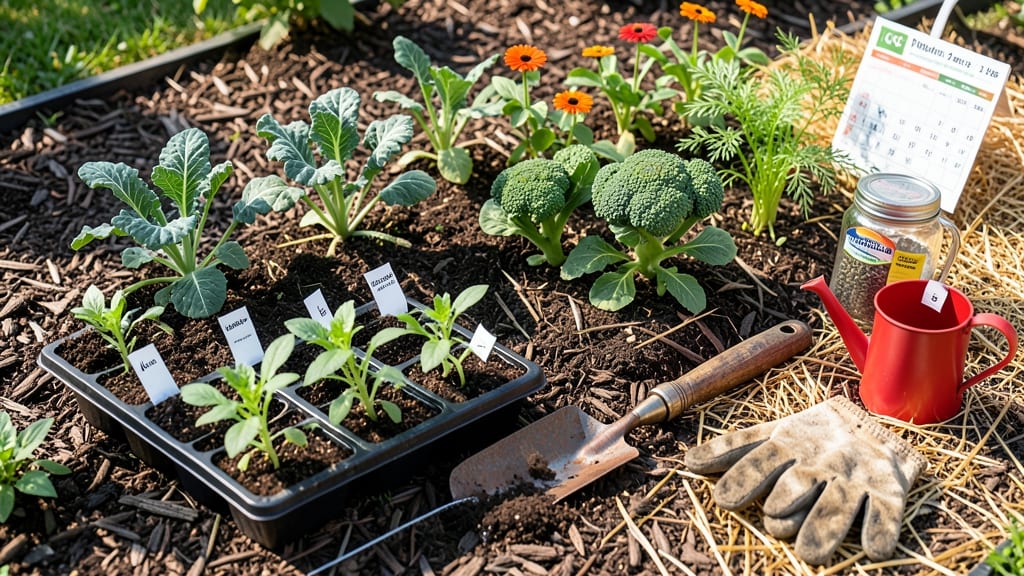
Planting a garden in North Carolina at the right time means the difference between a bountiful harvest and a sad, frost-nipped failure.
North Carolina’s diverse climate means your garden’s success hinges on timing—plant too early and risk frost damage, too late and miss peak harvests. Master these regional last frost dates to grow a thriving garden all year.
For most of the state, mid-March is your target window for spring planting, but coastal areas can start as early as February. The Piedmont and Mountains may wait until April, so knowing your zone is key.
Below, I’ll break down the exact timing for cool-season crops like broccoli, warm-season stars like tomatoes, and how to stretch your growing season with simple tricks. No more guessing—just peak harvests all season long.
North Carolina’s last frost dates by region: critical planting windows
North Carolina spans 10 distinct climate regions, each with unique last frost dates that dictate your planting schedule. From the Coastal Plain’s mild winters to the Mountains’ late springs, timing makes all the difference between a bountiful harvest and frost-nipped failures.
Understanding these windows ensures you plant cool-season crops like broccoli and warm-season favorites like tomatoes at the perfect moment.
Your first step? Check your USDA hardiness zone—NC ranges from 7a (coolest mountains) to 8b (warmest coast). These zones correlate directly with frost patterns.
For example, Asheville (Zone 7a) typically sees its last frost around April 15, while Wilmington (Zone 8a) often warms up by March 1. These dates aren’t set in stone, but they’re your garden’s GPS coordinates for success.
Here’s the game-changer: Cool-season crops (like lettuce, peas, and spinach) can often handle light frosts, so you can plant them 4-6 weeks before your last frost date. Warm-season crops (tomatoes, peppers, cucumbers), however, need soil temperatures above 60°F and should wait until 2 weeks after your last frost.
Missing this window means stunted growth or no harvest at all.
North Carolina Last Frost Dates by Region
| Region | USDA Zone | Last Frost Date | First Frost Date | Cool-Season Planting Window | Warm-Season Planting Window |
|---|---|---|---|---|---|
| Coastal Plain (e.g., Wilmington, Fayetteville) | 8a-8b | March 1 - March 15 | November 15 - November 30 | February 1 - March 15 | March 15 - April 15 |
| Piedmont (e.g., Raleigh, Charlotte) | 7b-8a | March 15 - April 1 | November 1 - November 15 | February 15 - March 31 | April 1 - April 30 |
| Mountains (e.g., Asheville, Boone) | 6b-7a | April 15 - May 1 | October 15 - November 1 | March 15 - April 15 | May 1 - May 15 |
| Sandhills (e.g., Pinehurst) | 8a | March 1 - March 10 | November 10 - November 20 | January 31 - March 10 | March 10 - April 10 |
| Tidewater (e.g., Norfolk) | 8a | February 28 - March 10 | November 20 - December 1 | January 15 - February 28 | March 10 - April 1 |
Take the Coastal Plain as an example: With its earlier last frost dates (as early as March 1**), you can start planting warm-season crops like sweet potatoes
Best crops to Plant after last frost: regional-specific recommendations
After the last frost date passes—typically between March 15 in the Coastal Plain and April 15 in the Mountains—your NC garden is ready for warm-season powerhouses. The key is matching crops to your region’s microclimate, soil type, and last frost timing.
Let’s dive into the top 5 crops for each NC region, complete with planting specifics to maximize your harvest.
For the Coastal Plain (USDA zones 8a-8b), where humidity lingers and summers stretch long, focus on heat-tolerant varieties like sweet potatoes and okra. In contrast, the Mountains (zones 6a-7a) benefit from shorter, cooler seasons, making potatoes and bush beans ideal choices.
Each region’s unique conditions demand tailored approaches to planting depth, spacing, and companion plants.
🌱 Coastal Plain (Zones 8a-8b)
- Sweet Potatoes – Plant slips 2-3 weeks after last frost (early April). Depth: 4-6", spacing: 12-18". Companion: Radishes deter pests.
- Okra – Sow seeds after soil reaches 65°F (mid-April). Depth: 1", spacing: 12-18". Companion: Peppers repel aphids.
- Southern Peas (Cowpeas) – Plant seeds April-May. Depth: 1", spacing: 4-6". Companion: Corn improves nitrogen.
- Tomatoes (Heat-Tolerant Varieties) – Transplant after last frost. Depth: 1-2", spacing: 18-24". Companion: Basil enhances flavor.
- Watermelons – Sow seeds after May 1. Depth: 1", spacing: 3-4". Companion: Radishes deter cucumber beetles.
🏔️ Piedmont (Zones 7a-7b)
- Potatoes – Plant 2-4 weeks before last frost (early March). Depth: 4", spacing: 12". Companion: Cabbage deters Colorado potato beetles.
- Bush Beans – Sow seeds after last frost. Depth: 1", spacing: 3-4". Companion: Potatoes improve growth.
- Sweet Corn – Plant April-May. Depth: 1", spacing: 8-12". Companion: Beans fix nitrogen.
- Peppers (Bell & Hot) – Transplant after last frost. Depth: 1-2", spacing: 12-18". Companion: Onions deter pests.
- Squash (Summer) – Sow seeds after last frost. Depth: 1", spacing: 3-4". Companion: Nasturtiums repel squash bugs.
⛰️ Mountains (Zones 6a-7a)
- Potatoes (Early Varieties) – Plant as soon as soil is workable (March). Depth: 4", spacing: 12". Companion: Marigolds deter pests.
- Bush Beans (Cold-Tolerant) – Sow seeds late April. Depth: 1", spacing: 3-4". Companion: Carrots improve soil.
- Peas (Snap & Snow) – Plant early spring or fall. Depth: 1", spacing: 2". Companion: Radishes deter pests.
- Tomatoes (Cold-Hardy Varieties) – Transplant after last frost. Depth: 1-2"