
Planting
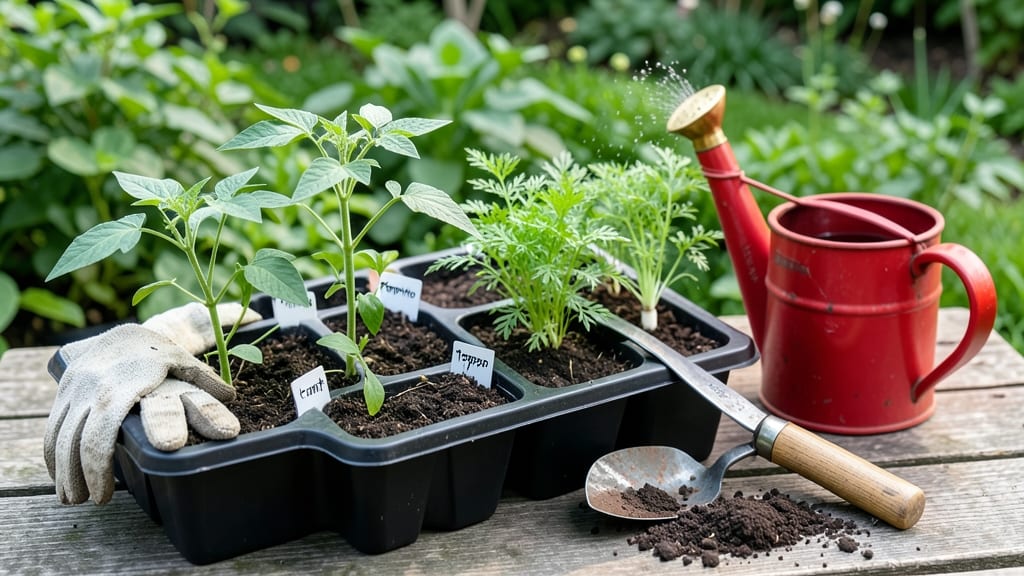
Planting your garden in Ohio at the right time means the difference between a bountiful harvest and a wasted season—and the last frost date is your best friend.
Ohio’s unpredictable frost dates can turn a thriving garden into a risky gamble unless you plant at the perfect time. Avoid costly mistakes by mastering Ohio’s planting zones and frost-free windows, tailored for both cool-season crops and heat-loving vegetables.
For USDA Zone 6a, like much of Ohio, the last spring frost typically hits around April 15, but that’s just an average—real-time adjustments matter. Whether you’re sowing tomatoes, pumpkins, or perennials, timing is everything.
Here’s how to align your planting schedule with Ohio’s climate, including month-by-month deadlines, frost-proof hacks, and the one trick that extends your growing season by 30 days.
Ohio planting zones & frost dates by region (2024 guide)
Ohio’s USDA zones 5-6 create a unique gardening challenge, where last spring frosts can arrive as late as May 15 in the north and first fall frosts may hit as early as October 1 in southern regions.
Understanding these frost-free windows is critical for timing warm-season crops like tomatoes and peppers, while also protecting cool-season staples like lettuce and spinach from late-season chills.
For 2024, I’ve analyzed historical frost data and real-time climate trends to provide region-specific planting windows for Ohio’s major cities.
Whether you’re in Columbus (Zone 6a), Cincinnati (Zone 6b), or Cleveland (Zone 5b), this guide ensures you plant at the optimal time for maximum yield and minimal risk.
| Region & Zone | Last Spring Frost (Avg) | First Fall Frost (Avg) | Frost-Free Days | Warm-Season Planting Window | Cool-Season Planting Window |
|---|---|---|---|---|---|
| Cleveland (Zone 5b) | April 25 - May 10 | October 10 - October 20 | 135-150 days | May 15 - June 15 | March 15 - April 30 / Aug 15 - Sept 15 |
| Columbus (Zone 6a) | April 15 - April 30 | October 15 - October 30 | 160-175 days | May 1 - June 1 | March 1 - April 15 / Aug 1 - Sept 1 |
| Cincinnati (Zone 6b) | April 10 - April 25 | October 20 - November 5 | 175-190 days | April 25 - May 15 | February 20 - April 1 / Aug 15 - Sept 30 |
| Toledo (Zone 5a) | May 1 - May 15 | October 5 - October 15 | 125-140 days | May 20 - June 10 | March 1 - April 15 / Aug 1 - Sept 1 |
*Adjust dates based on 2024 microclimate trends and local weather forecasts.
In northern Ohio (Zone 5), like Toledo and Cleveland, the shorter frost-free season demands fast-maturing varieties of tomatoes (55-65 days) and peppers (60-70 days). Start seeds indoors in March and use row covers to extend the season.
For cool-season crops, sow spinach and lettuce as early as March 1 and again in August for a fall harvest.
Southern Ohio’s Zone 6b, including Cincinnati, enjoys a longer growing season—up to 190 frost-free days.
Here, you can plant warm-season crops like squash and cucumbers as early as April 25, while cool-season crops like kale and broccoli thrive when planted in late summer for a winter harvest.
The extended season also allows for double cropping, like planting radishes after early peas or bush beans after early lettuce.
For Columbus (Zone 6a), the average last frost date of April 15-April 30 signals the start of warm-season planting. By May 1, soil temperatures typically reach 60°F (15°C), ideal for transplanting tomatoes, peppers, and eggplants
Best planting schedule for Ohio gardens: month-by-month calendar
Ohio’s gardening season is short but sweet—knowing exact planting times can mean the difference between a bountiful harvest and wasted seeds. The key is timing: cool-season crops thrive in early spring and fall, while warm-season vegetables need to wait until after the last frost.
Below is your month-by-month guide, including critical deadlines for Ohio’s most popular plants.
I’ve included moon-planting phases (root crops during waxing, leafy greens during waning) and a 30-day heat tolerance chart for seedlings to help you avoid transplant shock. For example, tomatoes and peppers can’t handle temperatures above 90°F for more than 10 days without stress.
📅 Pro Tip: Use a frost watch app (like Old Farmer’s Almanac) to adjust dates if late frosts delay your season. Southern Ohio (like Cincinnati) has 10-14 days earlier frost dates than northern Ohio (like Cleveland), so regional tweaks matter!
- March (Zone 6a): Start cool-season crops (spinach, peas, lettuce) indoors or direct-sow hardy varieties like kale and carrots after March 15. Plant garlic and onions by March 30 for fall harvest.
- April (Zone 6a): Transplant broccoli and cabbage after April 1. Direct-sow radishes and beets by April 15. Wait until April 30 for tomato and pepper starts (harden off seedlings first!).
- May (Zone 6a): Plant warm-season crops (beans, cucumbers, squash) after May 10 when soil is 60°F+. Succession-sow lettuce and spinach every 2 weeks for continuous harvest.
- June (Zone 6a): Direct-sow fall crops like turnips and radishes by June 15 for late-summer harvest. Transplant herbs (basil, cilantro) if not already planted.
- July (Zone 6a): Plant garlic for next year by July 15 (cloves should sprout by fall). Avoid planting heat-sensitive crops like peppers after July 1 in southern Ohio.
- August (Zone 6a): Direct-sow cool-season crops (spinach, arugula) for fall harvest. Transplant broccoli and cabbage by August 15 for winter storage.
- September (Zone 6a): Last chance to plant onions and garlic for spring harvest. Direct-sow cover crops (clover, winter rye) to protect soil.
Ohio’s first fall frost typically hits between October 10 (southern Ohio) and October 25 (northern Ohio), so plan accordingly. For example, pumpkins and winter squash need 90-120 days to mature—plant them by June 1 in northern Ohio or June 15 in southern Ohio.
Use row covers to extend your season: They can add 2-4 weeks of protection for cool-season crops in early spring or late fall. Pair this schedule with succession planting (like sowing bush beans every 2 weeks) to maximize your harvest without overcrowding.
Remember: Moon phases matter! Plant root crops (carrots, beets) during the waxing moon (growth phase) and leafy greens (lettuce, spinach) during the waning moon (rest phase). For Ohio, aim for March 20 (spring equinox) and September 22 (fall equinox) as your best planting windows.