
Planting
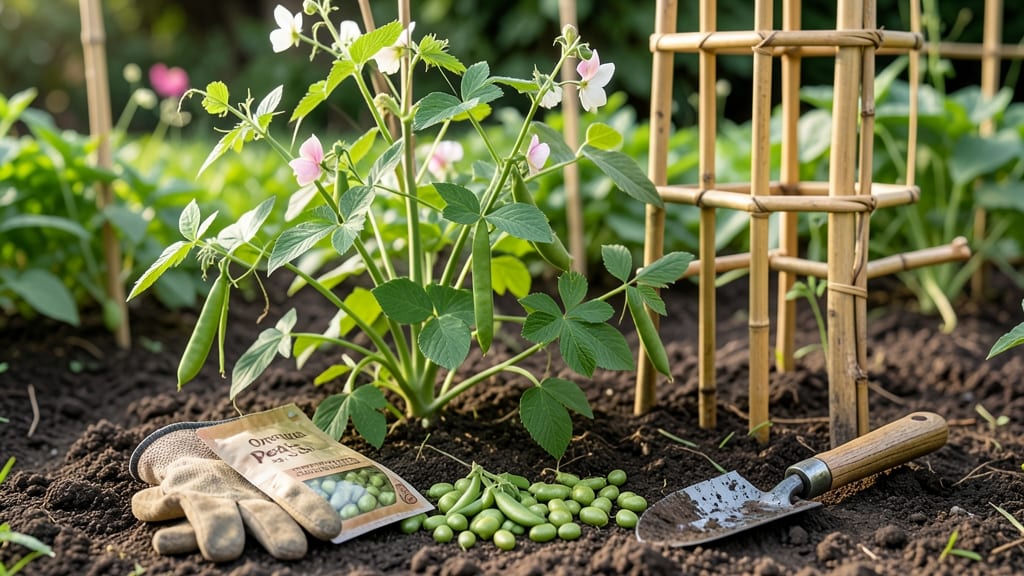
To plant garden peas at the perfect time means fast germination and a bumper harvest—aim for 4-6 weeks before your last frost in early spring or late summer for a second crop.
Picture this: you’re eager to dig in, but the soil is still too cold, and your seeds sit there for weeks without sprouting. That’s the frustration of planting too early, and it’s easier to avoid than you think.
Garden peas 🌱 thrive in cool weather, so timing your planting around 40-85°F soil temperatures is the key to success. In USDA Zone 6a, that means early March or late August—just don’t wait until the heat arrives.
Below, I’ll break down the best planting windows by region, how to check soil temps, and even how to stretch your harvest with a few simple tricks for fast, reliable growth.
Best planting times for garden peas based on climate zones
Garden peas thrive in cool weather, making them perfect for early spring and fall planting. The key to success is timing—plant too early and cold soil slows germination, while planting too late risks heat stress.
I’ve grown peas in USDA zones 3-10 and found that understanding your local climate zone is the first step to a bountiful harvest.
Peas need soil temperatures between 40-85°F (4-29°C) for optimal germination. In colder zones (3-5), you can even plant peas in late summer for a fall harvest. Meanwhile, warmer zones (7-10) benefit from early spring and late fall plantings to avoid summer heat.
Let’s break down the best planting windows for each zone to maximize your yield.
🌱 Key Rule: Always plant peas 4-6 weeks before the last frost date in spring or 70-80 days before the first frost in fall. This ensures they mature before summer heat sets in or winter freezes arrive.
| USDA Zone | Best Planting Windows | Soil Temp for Germination | Special Notes |
|---|---|---|---|
| 3-5 (Cold Climates) | Early spring (March-April) or late summer (July-August) | 40-60°F (4-15°C) | Can overwinter in zone 3 with mulch; plant early varieties. |
| 6-7 (Temperate) | Early spring (Feb-March) or fall (Aug-Sept) | 45-70°F (7-21°C) | Stagger plantings every 2 weeks for extended harvest. |
| 8-9 (Warm Winters) | Late winter (Jan-Feb) or early fall (Sept-Oct) | 50-75°F (10-24°C) | Use shade cloth in summer; avoid mid-summer planting. |
| 10 (Hot Climates) | Fall (Sept-Nov) only; spring planting risky | 55-80°F (13-27°C) | Plant in partial shade; prioritize heat-tolerant varieties. |
In USDA zones 3-5, where winters are harsh, I recommend planting peas as soon as the soil is workable in early spring. For example, in zone 4, aim for March 15-April 15 to beat the last frost.
You can also try a late summer planting (July-August) for a fall harvest before the first frost hits in October.
Gardeners in zones 6-7 have more flexibility. I’ve had great success planting in February-March for a spring harvest and again in August-September for a fall crop. The key is to keep soil temperatures above 45°F (7°C)—use a soil thermometer if you’re unsure.
Stagger your plantings every 2 weeks to enjoy peas all season long.
For warmer zones (8-9), where summers are hot, focus on late winter (January-February) or early fall (September-October) plantings. I’ve learned the hard way that planting peas in mid-summer (June-July) often leads to poor germination due to soil temperatures exceeding 85°F (29°C).
If you must plant in summer, use shade cloth to keep soil cool.
In zone 10, where winters are mild and summers are scorching, peas are best planted in fall (September-November). Spring planting is risky because soil temperatures rise too quickly. Choose heat-tolerant varieties like ‘Oregon Sugar Pod’ or ‘Tom Thumb’ for better success in these conditions.
One trick I’ve picked up from experienced gardeners is to plant peas with a companion crop, like carrots or radishes. This helps maximize space and improves soil health. Just be sure to plant peas on the north side of taller companions to avoid shading issues.
Always test your soil temperature before planting—peas won’t germinate well in cold, wet soil. If your soil is too cold, wait a few days or use a black plastic mulch to warm it up faster.
With the right timing, you’ll enjoy fresh peas straight from your garden in as little as 55-65 days!
How to time pea planting for fast germination and avoid common mistakes
Timing your pea planting correctly ensures fast germination and healthy plants. Peas thrive in cool soil temperatures between 40-85°F, making early spring or late summer the ideal windows.
Planting too early in cold soil or too late in heat stresses young seedlings, leading to poor yields. Let’s break down the key factors for success.
First, check your soil temperature before planting. Use a soil thermometer to confirm it’s at least 40°F—peas won’t germinate well in colder conditions. In warmer climates, aim for late summer planting (70-80 days before first frost) to avoid summer heat stress.
Moisture is equally critical; keep the soil consistently damp but not waterlogged during germination.
⚠️ callout warning ⚠️
Too Early: Soil temps below 40°F cause slow germination or rot. Seedlings may emerge weak or fail entirely. Mulch lightly to retain warmth if planting near frost dates.
Too Late: Planting in hot soil (>85°F) stresses seeds, reducing germination rates. Late spring plantings may bolt quickly, producing bitter pods.
Solution: Use a soil thermometer and adjust planting dates based on your last frost date. In Zone 5, aim for 4-6 weeks before frost; in Zone 8, try late summer.
Another common mistake is overcrowding peas, which stunts growth and increases disease risk. Space seeds 2-3 inches apart in rows 18-24 inches apart. Use trellises or cages for climbing varieties to save space and improve air circulation.
Thin seedlings to 2 inches apart once they’re 2-3 inches tall to prevent competition.
Watch for warning signs of poor timing. If peas take 3+ weeks to germinate, your soil was likely too cold. Yellowing leaves or stunted growth may indicate heat stress or overcrowding. Adjust future plantings based on these cues—peas are forgiving but thrive with precise timing.
For fast germination, soak seeds overnight before planting in cool weather. This trick kickstarts growth, especially in dry or chilly soils. Pair this with a light mulch (straw or grass clippings) to retain moisture and regulate soil temperature.
With these steps, you’ll enjoy plump, sweet peas in just 60-70 days!
Remember, peas are cool-season champions—they reward patience with early harvests. By mastering soil temps, spacing, and timing, you’ll avoid the most common pitfalls and enjoy a bountiful crop. Happy planting! 🌱