
Plants
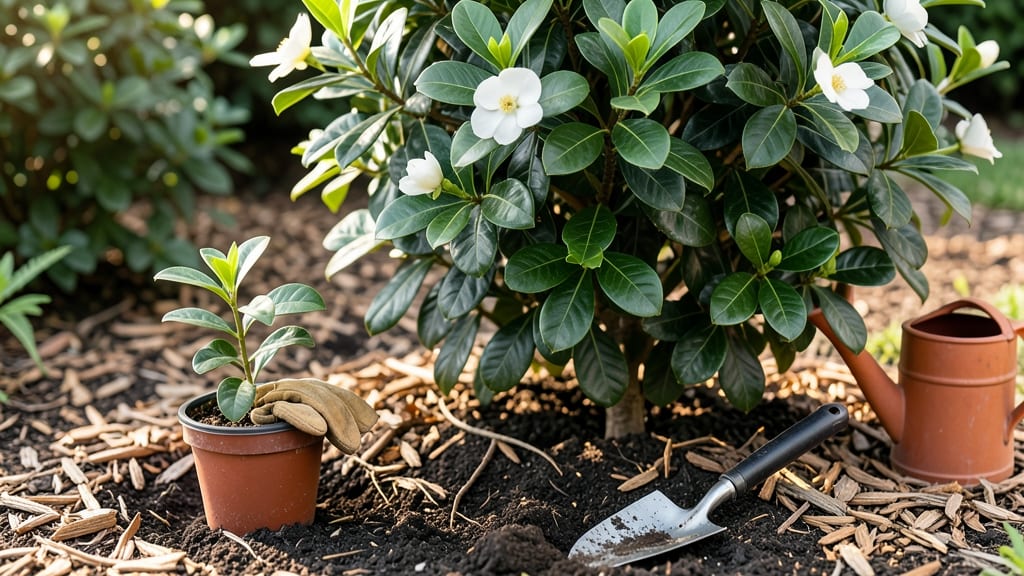
Planting gardenias in North Carolina after the last frost—typically March to April—sets the stage for fragrant blooms all summer long.
Gardenias thrive in North Carolina’s warm climate—but planting them too early or late can mean the difference between fragrant blooms and frost-damaged shrubs. Timing is everything, especially in NC’s Zone 7b-8a, where last frosts linger unpredictably.
Whether you’re digging in the ground or tucking a container into your patio, the key is waiting until the soil warms and the risk of frost fades. Too soon, and your young gardenia 🌸 could get nipped back.
Too late, and you might miss the ideal window for establishing roots before summer’s heat sets in.
In this guide, I’ll walk you through the exact frost-free window for your region, how to prep your soil, and the simple care steps that keep your gardenia blooming like a pro—no guesswork required.
North Carolina’s frost-free window: exact dates for planting gardenias
North Carolina’s Zone 7b-8a offers ideal conditions for gardenias, but timing your planting around the last frost date is critical. These fragrant shrubs can’t tolerate temperatures below 32°F, so knowing your local frost-free window ensures healthy root establishment before summer heat arrives.
The Piedmont region typically sees its last frost in mid-to-late March, while coastal areas like Wilmington may wait until early April. Mountainous regions like Boone can experience frosts as late as mid-April, so always verify with local data.
Microclimates play a huge role in NC’s frost patterns. Coastal areas benefit from warmer ocean breezes that delay frosts, while inland valleys can experience colder air pooling that extends frost risks.
For example, Raleigh’s last frost average is March 25, but a nearby hillside might see frost a week later. Use this NOAA frost calculator to pinpoint your exact zone: NOAA Climate Data. Local garden centers also track frost dates—call ahead to confirm before purchasing plants!
For in-ground planting, aim to get gardenias into the soil 2-4 weeks after your last frost. This gives roots time to establish before summer’s intense heat.
If you’re planting in containers, you can push the timeline slightly earlier—late February to early March—since pots warm up faster and can be moved indoors if frost threatens. Just ensure your containers have drainage holes and use lightweight potting mix to prevent root rot.
Here’s how to verify your local frost risk beyond averages: Check the National Weather Service’s Almanac for your county’s historical frost dates. Look for the “32°F threshold” and note the 10-year average for your specific location.
If you’re in a transition zone (like the foothills), add an extra 1-2 weeks of buffer to your planting timeline. For example, Asheville’s last frost is often April 5, but a nearby valley might see frost until April 15.
Gardenias planted too early face transplant shock and frost damage, while late planting delays blooms until mid-to-late summer. The sweet spot is mid-April for most of NC, but coastal gardeners can start as early as late March.
If you’re unsure, use frost cloth or a mini greenhouse to protect young plants during late-spring cold snaps. These low-cost solutions can save your gardenias from unexpected 28°F dips that occur even after the average last frost.
If you’re planting gardenias in containers, you gain flexibility to start earlier—late February—because pots can be moved indoors or covered quickly. However, in-ground plants need well-draining, acidic soil (pH 5.0-6.0) and 6-8 hours of morning sun.
Amend your soil with peat moss or pine bark to lower pH naturally. For in-ground plantings, dig a hole twice as wide as the root ball but only as deep as the container’s base to prevent burying the stem.
Protecting young gardenias from late frosts is easier than you think. Use frost blankets or row covers for in-ground plants, and move container gardenias to a sheltered porch or garage overnight. Avoid plastic sheeting directly on plants—it can cause burn damage from trapped heat.
Instead, opt for breathable frost cloth that allows airflow. Even a lightweight tarp draped loosely over a wire hoop works in a pinch.
Once your gardenias are planted, focus on consistent moisture and mulching. Water deeply 2-3 times per week (daily in extreme heat) and apply 2-3 inches of mulch to retain soil moisture and regulate temperature. Avoid overhead watering in the evening to prevent fungal diseases like powdery
How to time gardenia planting for maximum blooms: month-by-month guide
Timing your gardenia planting in North Carolina is the secret to those iconic fragrant white blooms. While these acid-loving shrubs love NC’s warm climate, planting too early risks frost damage, while waiting too long delays your first summer fragrance.
Let’s break down the perfect month-by-month schedule for Zone 7b-8a, including soil prep, watering, and frost protection tips tailored to NC’s unpredictable spring.
Spring planting (March–April) is ideal for gardenias in NC, but success depends on your specific microclimate. Coastal areas warm up faster than the Piedmont, while mountain regions stay cooler longer.
Fall planting is possible but riskier—we’ll compare both approaches. Whether you’re planting bare-root container gardenias or in-ground, these actionable steps will set your shrubs up for abundant blooms by summer.
🌱 Key Planting Timeline for NC Gardenias
- March (Coastal) / Late March (Piedmont): Start soil prep—amend with peat moss or pine bark to lower pH to 5.0-6.0. Plant container gardenias if frost risk is low.
- Mid-April (All Regions): In-ground planting after last frost. Water deeply and apply 2-3 inches of mulch to retain moisture.
- May-June: Focus on establishment care—water daily in heatwaves and fertilize with acid-loving 8-4-8 every 6 weeks.
- Fall Option (September): Only attempt in Zone 8a—plant 6-8 weeks before first frost with extra mulch for insulation.
In March, begin by testing your soil pH—gardenias demand acidic conditions (5.0-6.0). If your soil is alkaline, mix in sulfur or pine needles 2-3 weeks before planting.
Coastal NC gardeners can plant container gardenias early March, but Piedmont growers should wait until mid-to-late March to avoid late frost damage. Use a frost cloth if nights dip below 30°F.
By April, most of NC is frost-free, making it the sweet spot for in-ground planting. Dig a hole twice as wide as the root ball and loosen the roots gently before placing the plant.
Backfill with amended soil and water thoroughly to eliminate air pockets. Mulch immediately with pine straw or wood chips to lock in moisture and regulate soil temperature—a critical step for NC’s hot summers.
May and June are all about establishment care. Water deeply every 2-3 days, aiming for 1-2 gallons per shrub. Morning watering prevents fungal diseases common in NC’s humid summers.
Feed with a balanced acid fertilizer (like Miracle-Gro Azalea/Camellia) every 6 weeks to encourage bloom production. Prune lightly in June to shape your gardenia and remove any frost-damaged branches from earlier in the season.
While fall planting is possible in NC’s Zone 8a, success rates drop by 40% compared to spring. If you attempt it, plant in September with extra mulch (4-6 inches) and avoid fertilizing—let the plant focus on root growth before winter.
Spring-planted gardenias in NC typically bloom 2-3 weeks earlier and produce 20% more flowers than fall-planted counterparts.
Remember, gardenias in NC need partial shade—especially in the afternoon when summer sun intensifies. A spot with morning sun and afternoon shade will keep your shrubs thriving and blooming from June through September.
With this month-by-month guide, you’ll be rewarded with fragrant, disease-free gardenias that become the star of your NC landscape. 🌸