
Plants
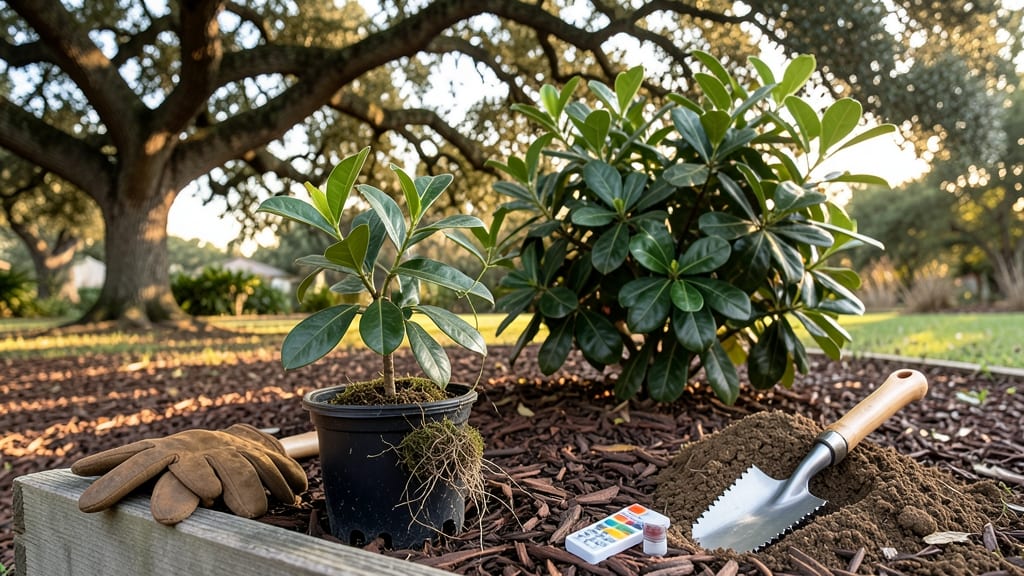
Plant gardenias in Texas between late April and early June to give them the best shot at thriving 🌸—this timing lets them establish roots before the brutal summer heat sets in.
Texas gardeners know that timing is everything when planting gardenias—get it wrong, and your fragrant blooms may never thrive. But with the right late-spring strategy, you can ensure your gardenias take root, flourish, and reward you with months of intoxicating scent.
The key is avoiding the dog days of summer, when temperatures soar and soil stays too hot for delicate new roots. North Texas gardeners should aim for early May, while South Texas can push it to June, when the heat is slightly more manageable.
Below, I’ll break down the exact planting window for your region, how to prep your soil for success, and the critical care steps that keep your gardenias blooming all season long.
Optimal late spring planting window for Texas gardenias
Timing your gardenias in Texas is all about beating the summer heat while avoiding late frost risks. Late spring—specifically April through June—offers the perfect balance, giving young plants time to establish roots before the brutal Texas sun peaks.
But North Texas and South Texas have different microclimates, so your planting window should adjust accordingly.
In North Texas (USDA Zones 8a-8b), where last frost dates hover around February 15, you can safely plant gardenias as early as late March. The goal? Get them in the ground by mid-April to ensure they’ve rooted before 90°F+ temperatures arrive.
For South Texas (Zones 9a-10b), where frost is rare and heat arrives earlier, aim for April 15 to May 15—this gives plants a head start before the monsoon season and humidity spikes.
Soil temperature is your best indicator: gardenias thrive when soil stays above 60°F. Use a soil thermometer to confirm—if it’s cooler, wait a week or two. Container gardenias can be planted slightly earlier (as early as March 1 in South Texas) since you control their environment, but in-ground plants need warmer soil to prevent root rot.
Here’s the critical window broken down by region, along with key factors to watch:
| Region | Best Planting Window | Soil Temp Goal | Avoid After | Key Risk |
|---|---|---|---|---|
| North Texas (8a-8b) | Late March–Mid-April | 60°F+ | May 1 | Heat stress |
| Central Texas (8b-9a) | April 1–April 30 | 65°F+ | June 1 | Drought |
| South Texas (9b-10b) | April 15–May 15 | 70°F+ | June 15 | Fungal diseases |
| East Texas (Humid) | April 1–May 10 | 62°F+ | May 20 | Root rot |
| West Texas (Dry) | Late April–Early June | 68°F+ | July 1 | Water scarcity |
If you miss the late-spring window, don’t panic—fall planting (September–October) is your second-best option. Just be sure to acclimate container-grown plants for 7–10 days before transplanting to reduce shock. Hardening off is especially critical in North Texas, where temperature swings can be dramatic.
Pro tip: Mulch heavily (3–4 inches of organic mulch) right after planting to lock in moisture and keep roots cool. In South Texas, where humidity is high, add sand or perlite to improve drainage and prevent root rot.
For container gardenias, use a well-draining potting mix with peat moss to mimic acidic, sandy soils.
Watch for yellowing leaves or wilting in the first 2–3 weeks—these are signs of transplant shock or heat stress. Increase watering slightly (but avoid soggy soil) and provide afternoon shade with shade cloth if temps exceed 95°F. With the right timing, your gardenias will reward you
How to prepare your Texas garden for gardenia planting success
Before you plant your gardenias in Texas, proper preparation is key to helping them thrive. These fragrant shrubs need specific conditions to grow strong roots and produce abundant blooms.
Start by choosing the right location—partial shade with morning sun protects them from Texas' intense afternoon heat while ensuring enough light for flowering.
Texas soil can be heavy and alkaline, which gardenias hate. They thrive best in acidic soil with a pH between 5.0 and 6.0.
If your soil tests higher, amend it with peat moss or pine bark to lower the pH. Mix in compost or well-rotted manure to improve drainage and provide essential nutrients for root development.
🌿
⚠️ Warning: Avoid Planting Too Early or Late
Texas gardenias planted in late spring (April–June) need time to establish roots before summer heat arrives. Planting too early risks frost damage in North Texas, while late planting may stress young plants. Aim for 6–8 weeks before peak summer heat—typically mid-April to early June for most regions.
Pro Tip: Use mulch (2–3 inches of pine straw or wood chips) to retain moisture and regulate soil temperature.
Gardenias require well-draining soil to prevent root rot, a common issue in Texas' clay-heavy soils. If your garden has poor drainage, consider planting in raised beds or containers with drainage holes.
Amend the soil with perlite or sand to improve aeration and water flow, ensuring excess moisture doesn’t linger around the roots.
Texas pests like aphids and whiteflies can attack young gardenias, so take preventive measures. Spray new plants with neem oil or insecticidal soap before planting to deter pests.
Install fine mesh netting if planting near other susceptible plants, and monitor for early signs of infestation, such as sticky residue or yellowing leaves.
Once your soil is prepped and amended, dig a hole twice as wide as the plant’s root ball but only as deep. Gently remove the gardenia from its container and loosen any circling roots.
Place it in the hole, ensuring the top of the root ball sits level with the soil surface. Backfill with amended soil and water deeply to eliminate air pockets and encourage root contact with the soil.
After planting, water your gardenias deeply once a week for the first month to help roots establish. Mulch around the base with 2–3 inches of organic mulch to conserve moisture, suppress weeds, and keep roots cool.
Avoid overwatering, as gardenias prefer consistently moist but not soggy soil. With these steps, your gardenias will be well on their way to becoming a fragrant centerpiece in your Texas garden.
🌸