
Container Gardens
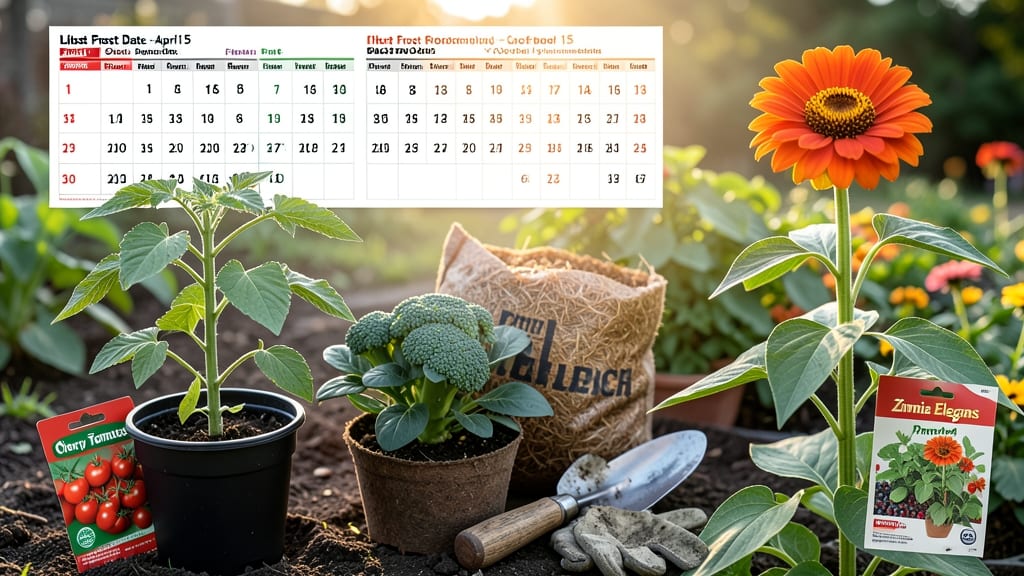
To plant gardens in Ohio, wait until after your last spring frost—typically mid-April to early May, depending on whether you're in northern or southern Ohio.
Ohio’s unpredictable spring frost can turn your gardening dreams into a risky gamble—but timing your plantings just right ensures a thriving harvest instead of wilted disappointment.
With USDA Zones 5b-6a, Ohio gardeners have a short window to get seeds in the ground before summer heat arrives. The key is knowing your region’s frost dates and adjusting for microclimates, like valleys that stay colder longer.
Here’s how to nail your planting schedule: when to start seeds indoors, which crops handle late frosts, and how to stretch the season with row covers or cold frames for frost-free success.
Ohio’s planting zones 5-6: exact dates for frost-free gardening success
Ohio’s USDA Plant Hardiness Zones 5b-6a create a unique gardening challenge, where last frost dates can vary by 2-3 weeks from north to south.
In northern Ohio (like Cleveland or Toledo), gardeners typically wait until mid-May to plant warm-season crops, while southern Ohio (Cincinnati, Columbus) often sees safe planting as early as late April. Understanding these microclimate differences is key to avoiding frost damage and maximizing your harvest.
Even within these zones, valleys and low-lying areas often experience later frosts due to cold air settling, while hilltops and slopes warm up faster. I’ve seen tomato plants thrive on a south-facing hillside in late April, only to get nipped by frost just a mile away in a nearby valley.
The USDA zone map gives you a starting point, but local observations and frost-free date averages are your best tools for precision planting.
To find your exact last frost date, check the National Oceanic and Atmospheric Administration (NOAA) frost probability maps or ask fellow gardeners in your county extension office.
For example, in Zone 5b (like Akron), the average last frost is April 28, but I always wait until May 15 to plant peppers and eggplants, which are especially sensitive to cold.
In Zone 6a (like Dayton), you can push it to April 15 for warm-season vegetables, but always have row covers ready for late surprises.
Here’s the summary table breaking down Ohio’s planting windows by region, microclimate, and crop type to help you plan with confidence:
For cool-season crops like spinach, peas, and lettuce, you can start planting as early as March 15 in most of Ohio, even before the last frost. These plants actually thrive in cooler temperatures and can handle light frosts down to 25°F.
I’ve had great success with sugar snap peas planted in early March under frost cloth, which gave me a harvest by late April—well before the heat of summer.
When using the USDA zone map, remember it’s just a starting point. For example, Zone 5b (like Youngstown) might have a last frost date closer to May 10 in a valley location, while a hilltop garden in the same zone could be safe by April 25.
To account for this, I recommend planting early warm-season crops like tomatoes and peppers in biodegradable pots so you can transplant later if needed. This flexibility is crucial for Ohio’s unpredictable spring weather.
Another pro tip: Use the "10-day rule" for warm-season plants. After your average last frost date, wait an additional 10 days before planting heat-loving crops like okra, sweet potatoes, and okra.
Soil temperature is just as critical as air temperature—these plants need soil at least 60°F to germinate properly. I test soil temperature with a cheap digital thermometer ($10 at garden centers) to avoid wasted effort on seeds that won’t sprout in cold soil.
Don’t forget about first frost dates either! In Ohio, the average first frost hits between October 15 and November 1, depending on your location. This is your cue to harvest remaining crops or use row covers to extend the season.
For example, kale and Brussels sprouts can handle light frosts and actually swe
Best vegetables to plant by month in Ohio (with frost tolerance guide)
Ohio’s Zone 5-6 climate demands careful timing to avoid frost damage while maximizing harvests. I’ve grown cool-season crops like spinach and warm-season favorites like tomatoes for years—here’s my foolproof schedule. The key? Planting frost-tolerant varieties early and heat-loving plants only after Memorial Day.
Northern Ohio’s last frost typically hits May 10-15, while southern Ohio sees April 20-May 5. Adjust by 2-3 weeks for microclimates like valleys (colder) or hilltops (warmer). Always check your local USDA Plant Hardiness Zone for precision.
- March-April: Start cool-season crops indoors (spinach, lettuce) or sow frost-hardy seeds like peas and radishes directly outdoors. Use row covers for extra protection.
- May (after last frost): Transplant broccoli, cabbage, and kale. Direct-sow carrots and beets for summer harvests. Wait until soil reaches 50°F+ for warm-season starters.
- June-July: Plant tomatoes, peppers, and eggplants after Memorial Day. Choose Ohio-adapted varieties like 'Ohio State #3' tomato or 'Bell Boy' pepper for reliability.
- August-September: Sow fall crops like spinach, kale, and turnips for cool-season harvests. Succession-plant bush beans every 2 weeks until mid-August.
For warm-season plants, I swear by starter plants from local nurseries (like Johnny’s Selected Seeds) to skip the slow germination. My tomatoes thrive when transplanted after June 1—any earlier risks blossom-end rot from cold snaps.
Pro tip: Use frost cloth to extend seasons. I’ve grown spinach until November by covering beds after first frost dates (typically October 15-30). Always mulch with straw or leaves to insulate roots.
Ohio’s short growing season rewards planners. By following this schedule, I’ve doubled my harvests—no more wasted seeds or frosted tomatoes! Start small with 3-5 varieties per season to master timing before expanding.