
Planting
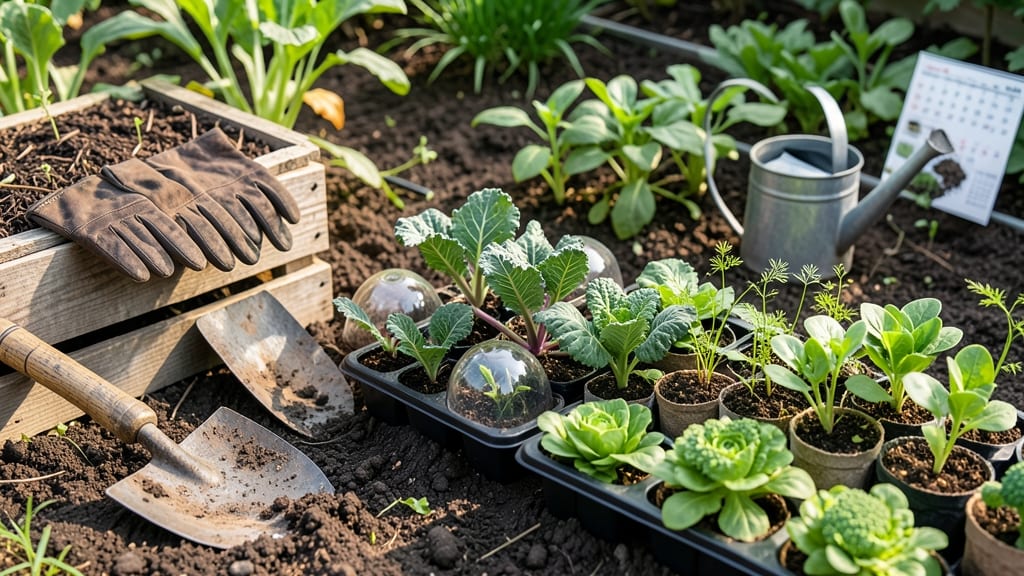
Planting a vegetable garden in Seattle requires knowing the exact timing to beat the rain and frost—because getting it wrong means watching your hard work wilt before it even starts.
Seattle’s unpredictable weather can make planning your vegetable garden a puzzle—but timing your plantings correctly means the difference between a thriving harvest and a lost season. Avoid costly mistakes by knowing exactly when to start seeds, transplant seedlings, and extend your growing season in the Emerald City.
With USDA Zone 8a conditions and a frost-free window of just 165 days, your garden’s success hinges on planting cool-season crops like peas and lettuce 4–6 weeks before April 15, while warm-season favorites like tomatoes and peppers wait until after the last frost.
Below, I’ll break down the best months for each crop, how to adjust for Seattle’s microclimates, and the game-changer techniques to stretch your growing season—so you can enjoy fresh veggies from spring through fall.
Seattle’s frost-free dates & optimal planting windows by season
Seattle’s USDA Zone 8a/8b climate gives you a surprisingly long growing season—but only if you time your plantings right. The average last frost date hovers around April 15, while the first frost typically arrives mid-October.
However, microclimates like the Eastside’s warmer temperatures or West Seattle’s coastal chill can shift these dates by 2-3 weeks.
Understanding these windows helps you avoid late spring frosts that can kill tender seedlings or missed harvests when summer heat arrives. For example, cool-season crops like lettuce and peas thrive in Seattle’s mild springs, while warm-season favorites such as tomatoes and peppers need to wait until after the last frost.
Here’s a quick breakdown of Seattle’s optimal planting windows by season, tailored to your local climate quirks:
Your USDA Zone 8a/8b classification means you can grow a wider variety of plants than many gardeners realize. For example, sweet potatoes and okra thrive in Seattle’s summers, while hardy greens like kale survive our chilly winters. The key is matching your planting schedule to Seattle’s 165-day frost-free window.
For Eastside gardeners, warmer microclimates allow you to plant warm-season crops like tomatoes and peppers 2-3 weeks earlier than West Seattle. Conversely, coastal areas may experience delayed last frosts, so hold off on planting heat-lovers until mid-May.
Always check local weather forecasts in early spring for real-time updates.
To maximize your harvest, stagger plantings every 2-3 weeks for crops like lettuce, beans, and carrots. This ensures a continuous supply rather than one big harvest. For example, plant lettuce every 10 days from March through September to enjoy fresh greens year-round.
Don’t forget about container gardening, which gives you flexibility to move tender plants indoors or to a sheltered spot during late spring frosts. Many Seattle gardeners successfully grow tomatoes and peppers in pots on patios, extending their growing season by weeks.
Pro tip: Use frost cloth or row covers to protect young seedlings from unexpected late frosts. I’ve saved entire plantings of basil and peppers by covering them during a May frost—a common occurrence in Seattle’s unpredictable climate.
Finally, take advantage of Seattle’s mild winters by planting garlic and onions in fall for a spring harvest. These crops thrive in our cool, wet conditions and require minimal maintenance once established.
Best vegetables to plant in Seattle’s spring, summer, and fall (with exact timing)
Seattle’s cool, wet springs and mild summers create unique opportunities for gardeners, but timing is everything. Plant too early, and frost will nip your seedlings. Wait too long, and heat-loving crops will struggle.
The key is staggered plantings—sowing seeds at different intervals to ensure continuous harvests throughout the growing season.
Below, I’ve broken down the top 15 vegetables for Seattle, including when to direct-sow seeds and when to transplant seedlings, plus how to adjust for Seattle’s rainy springs and cool summers.
For cool-season crops like lettuce and peas, start seeds indoors 4–6 weeks before your last frost date (typically mid-April in Seattle).
Warm-season crops like tomatoes and peppers need to wait until after the last frost, usually late May, but you can start them indoors in March for a head start.
Fall crops like kale and carrots thrive in cooler weather, so plant them in early August for a harvest before the first frost in mid-October.
Seattle’s rainy springs can delay planting, so always check your soil temperature—most seeds need 45–55°F soil to germinate. Use row covers or cold frames to protect young plants from late frosts. Below are my top recommendations, organized by season, with exact timing to maximize your yield.
- 1 Spring (March–May): Direct-sow peas, lettuce, spinach, and carrots in March for early harvests. Transplant broccoli, cabbage, and kale seedlings in late March–April. Start tomatoes and peppers indoors in March for transplanting after last frost.
- 2 Summer (June–August): Plant beans, cucumbers, zucchini, and summer squash directly in late May–June after frost risk passes. Transplant tomatoes, peppers, and eggplants in late May for a July harvest. Succession-sow lettuce and radishes every 2 weeks for continuous harvests.
- 3 Fall (August–October): Direct-sow kale, spinach, carrots, and beets in early August for a fall harvest. Plant garlic in October for next year’s crop. Use row covers to extend the season for broccoli and cabbage into November.
- 4 Staggered Plantings: For lettuce, radishes, and bush beans, sow seeds every 2–3 weeks from spring to fall. This ensures a continuous supply without overwhelming your garden at once. Example: Plant radishes every 2 weeks from March to August for fresh harvests all season.
- 5 Adjust for Microclimates: Areas like the Eastside (Zone 8b) can handle earlier plantings (e.g., tomatoes in early May), while West Seattle (Zone 8a) may need to wait until late May. Use frost blankets in early spring to protect tender seedlings in cooler pockets.
One of my favorite Seattle-friendly crops is bush beans, which thrive in the mild summer heat and produce abundantly with minimal care. I like to plant them in late May and again in early July for a double harvest.
Another must-grow is kale, which becomes sweeter after a light frost—perfect for Seattle’s cool fall weather. For tomatoes, choose determinate varieties like ‘Stupice’ or ‘Cherokee Purple’ to avoid overcrowding in containers or small spaces.
Don’t forget about root crops like carrots and beets, which grow well in Seattle’s loamy soil but need consistent moisture. I always direct-sow them in early spring and late summer to avoid the bolting that can occur in hot weather.
For leafy greens, succession planting is key—sow lettuce and spinach every 3 weeks from March to August to keep your salad bowl full. If you’re short on space, container gardening works beautifully for bush beans, cherry tomatoes, and herbs like basil and cilantro.
Pro tip: Use mulch to retain moisture in Seattle’s rainy springs and dry summers. I recommend straw or wood chips around the base of plants to suppress weeds and regulate soil temperature.
With these timing strategies, you’ll enjoy a bountiful harvest from spring through fall—no matter what Seattle’s weather throws your way! 🌱