Tools
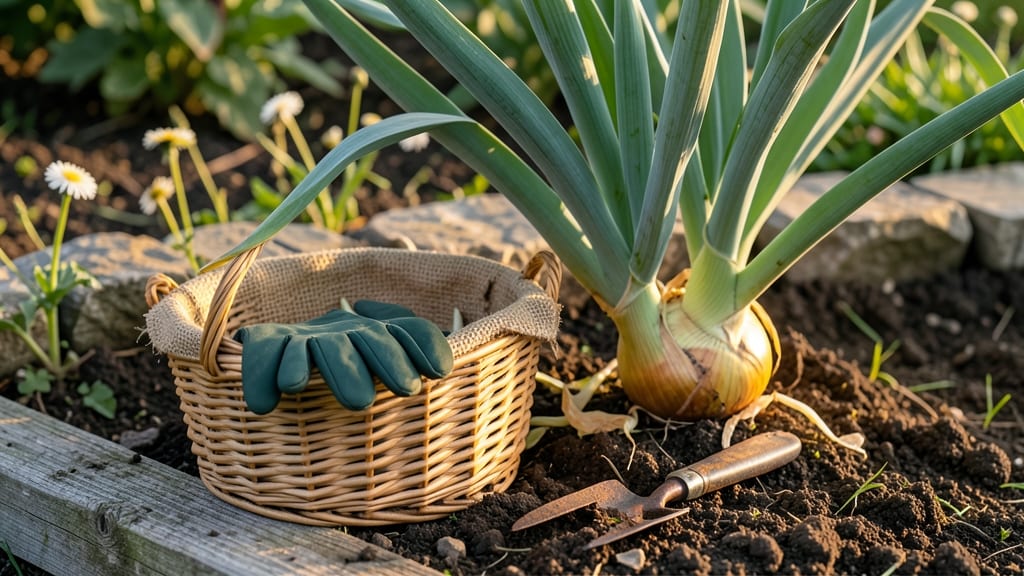
Pulling onions from your garden at the right time ensures sweet, flavorful bulbs instead of tough, bitter ones—here’s how to know when they’re ready.
Picture this: you’ve nurtured your 🧅 for months, and now the tops are yellowing and flopping over. That’s your cue—but wait too long, and you’ll miss the peak flavor window. The difference between a perfect harvest and a wasted one often comes down to timing.
Most gardeners pull onions between June and August, but the real secret lies in the plant’s signals. Look for dry, papery skins and bulbs that feel firm to the touch.
These visual cues tell you the onions are at their sweetest, just before the tops fully brown and die back.
In this guide, I’ll walk you through the exact signs to watch for, how to test readiness, and how regional climate zones can shift your harvest window. By the end, you’ll never guess again—just pull at the perfect moment for maximum flavor.
Onion growth stages: key signs to harvest for best flavor
Harvesting onions at the right time ensures peak flavor and long-term storage. The key lies in watching for specific visual cues that signal when your onions are ready. These signs vary slightly depending on whether you're growing short-day or long-day varieties, but the core principles remain the same.
One of the first indicators is the top turning yellow. When the green leaves begin to yellow and flop over, it’s a clear sign the bulb below has reached maturity.
However, don’t rush to pull them just yet—this is where understanding the growth stages becomes crucial for maximizing flavor and storage potential.
Did you know? Onions left in the ground too long after the tops yellow can develop a bitter taste and split bulbs. Conversely, harvesting too early results in small, pungent onions that won’t store well. Timing is everything, and the right cues will guide you to that sweet spot between mild and overripe.
| Growth Stage | Visual Cues | Flavor & Storage Potential | Action |
|---|---|---|---|
| Early Growth | Green leaves, no bulb formation | Not ready; needs more time | Continue care |
| Bulb Formation | Leaves thicken, bulbs 1-2 inches wide | Mild flavor; store fresh or cure | Monitor tops |
| Peak Maturity | Tops yellow, bulbs firm, skin papery | Sweetest flavor; best for storage | Harvest within 1-2 weeks |
| Overripe | Tops brown, bulbs split or soft | Bitter; poor storage life | Use immediately |
The bulb size is another critical factor. Aim for onions that are 1-2 inches in diameter—this is the ideal range for both flavor and storage. Smaller bulbs tend to be sharp and won’t keep well, while larger ones may split or become woody.
Gently squeeze the bulb through the soil to check its size without disturbing the plant prematurely.
When the stem flattens and dries, it’s a universal sign that the onion is ready. This happens naturally as the plant redirects energy from leaf growth to bulb maturation.
For long-day varieties, this typically occurs 100-120 days after planting, while short-day varieties may mature in as few as 80-90 days.
Pay attention to the skin texture as well. A mature onion will have a dry, papery skin, which is a natural protective layer. If the skin is still tender or moist, the onion needs more time in the ground.
This dryness also indicates that the bulb has reached its peak sweetness, making it the best time to harvest.
Regional climate plays a role, too. In warmer climates, onions may mature faster, while cooler regions might require an extra week or two. Always adjust your harvest timing based on local weather patterns. For example, a sudden heatwave can accelerate ripening, so stay vigilant during peak growing months.
If you’re unsure whether an onion is ready, perform the finger test: Gently squeeze the bulb through the soil. It should feel firm and solid, not soft or hollow.
This simple check can save you from harvesting too early or missing the sweet spot. The right balance of these cues ensures you pull onions at their flavor peak.
Pro tip: For longer storage, harvest onions when the tops are yellow but not fully brown. Cure them in a dry, shaded area for 1-2 weeks before storing. This process enhances their shelf life and preserves that garden-fresh taste for months.
Finally, remember that variety matters. Some onions, like Yellow Granex, are best harvested when slightly smaller for sweeter flavor, while others, like Red Creole, can handle a bit more time in the ground. Always check your seed packet for variety-specific guidance to fine-tune your harvest timing.
How to test onion readiness: the finger and bulb size method
Harvesting onions at the perfect moment ensures sweet, flavorful bulbs instead of tough or pungent ones. The finger squeeze test and bulb size assessment are my go-to methods for determining readiness. These simple techniques save time and prevent wasted effort—especially when you've invested months in growing them.
Start by examining the top of the onion plant. When the outer leaves turn yellow and begin to dry out, it’s a clear sign the bulb below is maturing.
This visual cue often appears 2-3 weeks before the onion is fully ready to pull. Pairing this with the bulb size method gives you the most accurate timing.
⚠️ callout-warning ⚠️
Harvesting onions too early results in small, pungent bulbs that won’t store well. Waiting too long causes the skin to split, inviting rot. The finger test helps avoid these mistakes—if the bulb feels soft, it’s not ready. If it feels hollow, it’s overripe.
Pro tip: Morning harvests are ideal—cooler temps prevent stress on the plant, ensuring better flavor and storage life.
Gently grasp the base of the onion bulb with your thumb and forefinger. A ready onion will feel firm but not rock-hard, with a slight give—like squeezing a ripe avocado.
If the bulb feels soft or mushy, it needs more time. Conversely, if it’s too hard, it may have dried out in the soil.
Next, check the bulb circumference. Aim for onions that are 1-2 inches in diameter at the widest point. Smaller bulbs (under 1 inch) are usually premature, while larger ones (over 2.5 inches) risk splitting.
Varieties like Yellow Granex often reach ideal size faster than storage onions like Sweet Spanish, so adjust expectations based on what you’re growing.
For long-day onions, which mature faster in cooler climates, combine the finger test with leaf count. When half the leaves yellow and the bulb is firm, it’s time to harvest.
In warmer regions, short-day onions may take longer—watch for leaf flattening (when tops bend over) as a secondary cue.
Once you’ve confirmed readiness, pull onions gently to avoid damaging the bulb. Cure them in a shady, well-ventilated area for 1-2 weeks to harden the skin and improve storage life. This step is crucial for preventing spoilage and extending shelf life from weeks to months.