
Tools
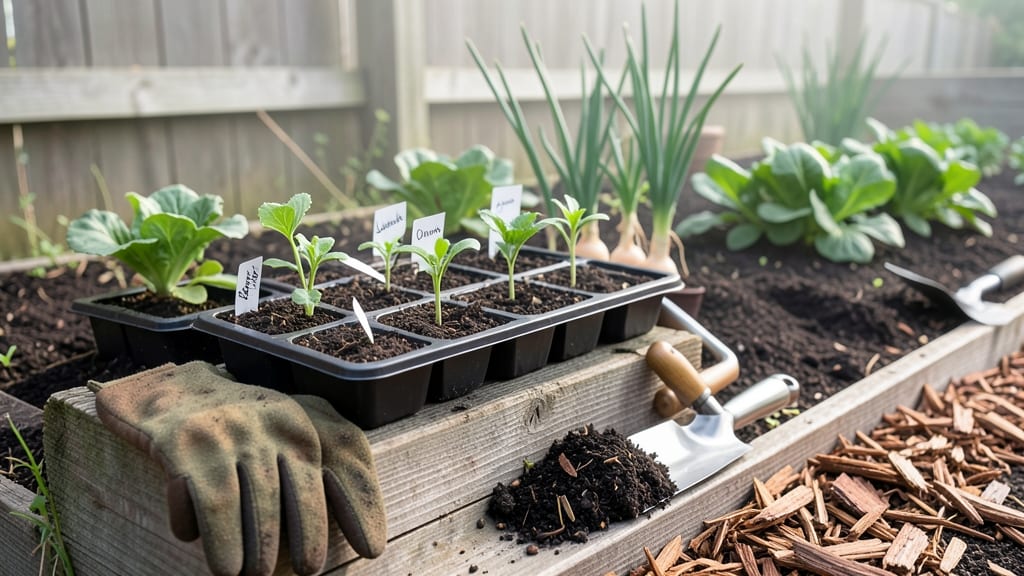
Starting a garden in Ohio means timing your first seeds and transplants to avoid the state’s notorious late frosts — a mistake that can turn weeks of work into a sad pile of brown leaves.
Ohio’s unpredictable frost dates can make or break your garden’s success. Plant too early, and you risk losing tender seedlings to late frosts; too late, and your harvest shrinks. But timing isn’t just about the calendar—it’s about Ohio’s unique microclimates, hardiness zones, and the right crops for each season.
In this guide, I’ll break down the exact frost-free windows by zone, from Columbus’s 5a-6a to Cleveland’s cooler 5b, so you can plant with confidence. Whether you’re sowing cool-weather greens or heat-loving tomatoes, knowing when to start is the key to a bountiful harvest.
You’ll also discover how to stretch Ohio’s short growing season with simple tricks like row covers and succession planting, plus a month-by-month schedule for vegetables, herbs, and flowers that thrive in your backyard. Let’s get those seeds in the ground at the right time!
Ohio’s frost dates by zone: exact timelines for planting cool vs. warm season crops
Ohio’s gardening success hinges on understanding your USDA hardiness zone and average frost dates. The state spans zones 5a to 6b, with northern areas like Cleveland (5b) facing later springs than southern cities like Cincinnati (6a).
These differences mean your last spring frost could arrive weeks earlier in one region than another, drastically affecting when you can safely plant warm-season crops like tomatoes or peppers.
For cool-season crops such as lettuce or spinach, timing is equally critical—plant too late, and bolting (premature flowering) ruins your harvest. Ohio’s first fall frost typically arrives between October 15 and November 15, depending on your zone.
This guide breaks down exact timelines so you can align your planting schedule with Ohio’s climate quirks and avoid costly mistakes.
Key takeaway: Use the 10-day rule—wait 10 days after your average last frost date before planting tender seedlings outdoors. This buffer accounts for Ohio’s unpredictable late frosts, which can still occur in May or even early June in northern zones.
If you’re in zone 5a or 5b, don’t rush to plant tomatoes or peppers until June 1—even then, use row covers for protection.
Southern Ohio gardeners in zone 6a/6b can start warm-season crops as early as April 20, but always monitor soil temperatures (aim for 60°F+ for seeds).
For cool-season crops, northern Ohioans should start seeds indoors in March for early spring harvests, while southern zones can direct-sow spinach or peas as early as February.
The 10-day rule applies here too—if your average last frost is April 20, wait until May 10 to transplant seedlings outdoors.
Ohio’s fall frost dates are just as critical. In zone 5a, expect your first frost by October 15, while zone 6b areas may extend harvests until November 15.
Use frost-sensitive crops like basil or beans for succession planting in late summer to maximize your harvest before cold sets in.
Local variations matter—Lake Erie
Best crops to plant by month in Ohio: a month-by-month survival guide
Ohio’s gardening season is short but sweet—knowing exactly when to plant each crop can mean the difference between a bountiful harvest and wasted effort. The key is matching your cool-season crops to early spring and fall, while warm-season plants thrive in summer’s heat.
Let’s break it down month by month, so you can plan with confidence and avoid common mistakes like planting tomatoes too early.
Southern Ohio (zones 6a-6b) enjoys slightly longer growing seasons, while northern Ohio (zones 5a-5b) faces earlier frosts. Use these monthly guidelines as your roadmap, adjusting for your specific microclimate. For example, urban areas like Columbus often have warmer microclimates than rural spots, so monitor local frost forecasts.
- 1 March-April: Start cool-season crops like peas, spinach, and kale indoors or under row covers. Direct-sow onion sets and potatoes once soil reaches 45°F.
- 2 May: Plant warm-season crops like tomatoes, peppers, and cucumbers after last frost (typically mid-to-late May). Start succession plantings of lettuce and radishes for continuous harvests.
- 3 June: Sow summer squash, beans, and corn. Thin seedlings and mulch heavily to retain moisture. Begin herb gardens with basil, cilantro, and dill for summer flavors.
- 4 July-August: Plant fall crops like broccoli, cabbage, and kale for late-season harvests. Succession plant bush beans every 2 weeks. Start flowers like cosmos and zinnias for late-summer blooms.
- 5 September: Direct-sow cool-season crops like carrots, beets, and spinach. Protect tender plants with frost blankets as nights cool. Harvest tomatoes before first frost.
For herbs, plant parsley and chives in early spring or fall, while basil and cilantro thrive in summer heat. Flowers like marigolds and sunflowers can be direct-sown in May, while pansies tolerate light frosts for early spring color.
Always check seed packets for days to maturity to plan harvests before frost.
Pro tip: Use succession planting to stretch harvests. For example, sow lettuce every 2 weeks from April to August for continuous greens. In northern Ohio, opt for fast-maturing varieties like bush beans (50 days) or radishes (25 days) to maximize yields before frost.
Remember, Ohio’s first frost typically hits mid-October in the north and late October in the south. Use row covers or cold frames to extend the season for hardy greens like kale and Swiss chard, which sweeten after frost.
With this month-by-month guide, you’ll turn Ohio’s short season into a gardening goldmine! 🌱