
Tools
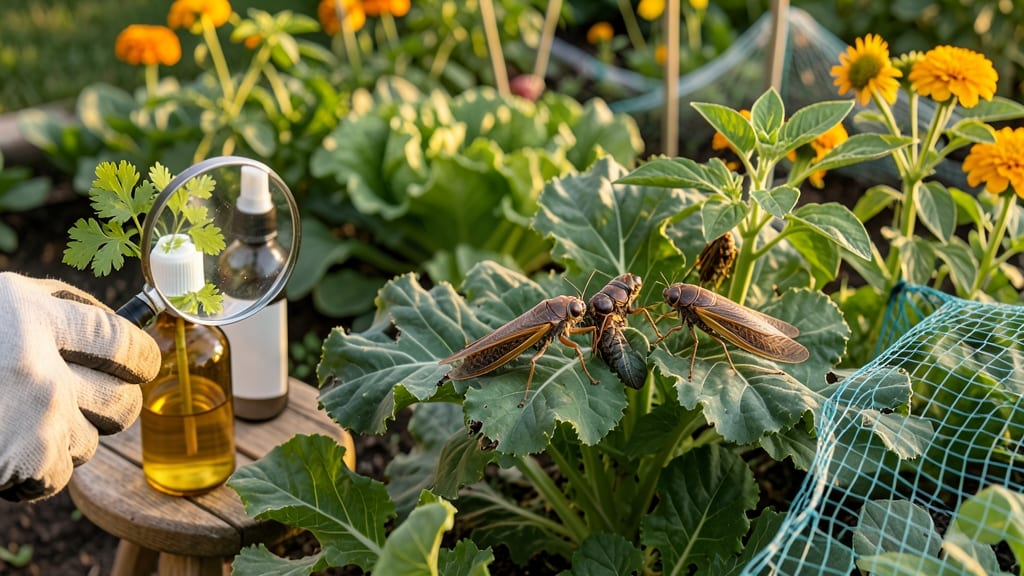
Cicadas won’t eat your garden—they feed exclusively on tree roots and sap, leaving vegetables, flowers, and ornamental plants completely untouched. While their activity can stress young trees, most garden crops remain unaffected. Keep an eye on nearby trees during heavy infestations for early signs of decline.
Cicadas are nature's tree specialists—their mouthparts are designed to pierce bark and suck xylem sap, not chew leaves or stems. 🌳 This explains why your tomatoes, herbs, or roses stay safe while nearby maples or oaks may show wilting or dieback if infested.
The key difference lies in their biology: cicadas lack the jaw structure to damage garden plants, focusing instead on deep-rooted woody species during their nymph and adult stages.
What makes this even clearer is their lifecycle. Nymphs spend years underground, feeding on roots before emerging as adults that continue sap-feeding. This means garden damage is virtually nonexistent unless you're growing fruit trees or young shade trees.
For those with vulnerable trees, mulching with coarse wood chips creates a less inviting environment for emerging nymphs, while pruning stressed branches in late winter promotes recovery.
💡 In This Article
- How Cicadas Interact With Plants: Root Feeding vs Garden Damage
- Protecting Trees and Gardens During Cicada Emergences
How cicadas interact with plants: root feeding vs garden damage
Cicadas use specialized mouthparts called stylets to pierce tree bark and extract xylem sap—the water-rich fluid that transports nutrients from roots to leaves. Their feeding mechanism is similar to how aphids work, but on a much larger scale.
The stylets can penetrate up to 1/8 inch deep into bark, creating tiny wounds that allow bacteria to enter and potentially cause wilting or dieback in stressed trees. This explains why cicadas target trees like maples, oaks, and willows—their bark is softer and more vulnerable to this type of damage.
The key difference between cicadas and garden pests is their anatomy. Cicadas lack mandibles (chewing mouthparts), so they can't bite through leaves, stems, or vegetable crops. Their entire feeding strategy revolves around accessing sap through bark, which is why your tomatoes, peppers, or herbs remain completely unaffected.
Even during massive emergences, where thousands of cicadas swarm an area, they'll ignore your garden beds entirely—unless you're growing young fruit trees, which share similar vulnerabilities to shade trees.
Lifecycle stages matter when assessing damage. Nymphs spend 2-17 years underground, feeding on roots before emerging as adults. This underground phase is when they can stress young trees, as their feeding weakens root systems. Adults then continue sap-feeding for about 4-6 weeks before dying.
The most critical window for tree damage is during the nymph stage, when their root feeding can cause stunted growth or even death in saplings. 🌱 This explains why established trees often survive infestations, while newly planted specimens may show signs of decline.
Visual signs of cicada feeding include yellowing leaves, branch dieback, and oozing sap (called "bleeding") from bark wounds. These symptoms typically appear 2-3 weeks after emergence, as the trees respond to the stress of repeated sap extraction.
The damage resembles what you'd see from borers or bark beetles, but without the characteristic tunnels in the wood. This distinction helps gardeners differentiate cicada damage from other pests that might actually threaten their vegetable crops.
What makes cicadas unique is their synchronized emergence. Brood periods vary by species, but when millions of nymphs emerge simultaneously, the collective feeding pressure can overwhelm even healthy trees.
This is why infestations in Periodical cicadas (like Brood X) can create visible "kill zones" where entire groves of young trees die back. However, these events are rare and localized, and most gardeners never experience this level of impact on their vegetable plots or flower beds.
For comparison, consider Japanese beetles or Colorado potato beetles—they chew leaves and stems, causing direct crop damage. Cicadas, by contrast, are sap-suckers with no interest in your cucumbers or marigolds.
Their feeding habits are specialized for trees, making them a non-issue for most home gardens unless you're cultivating young shade trees as part of your landscape. 🌿