
Tools
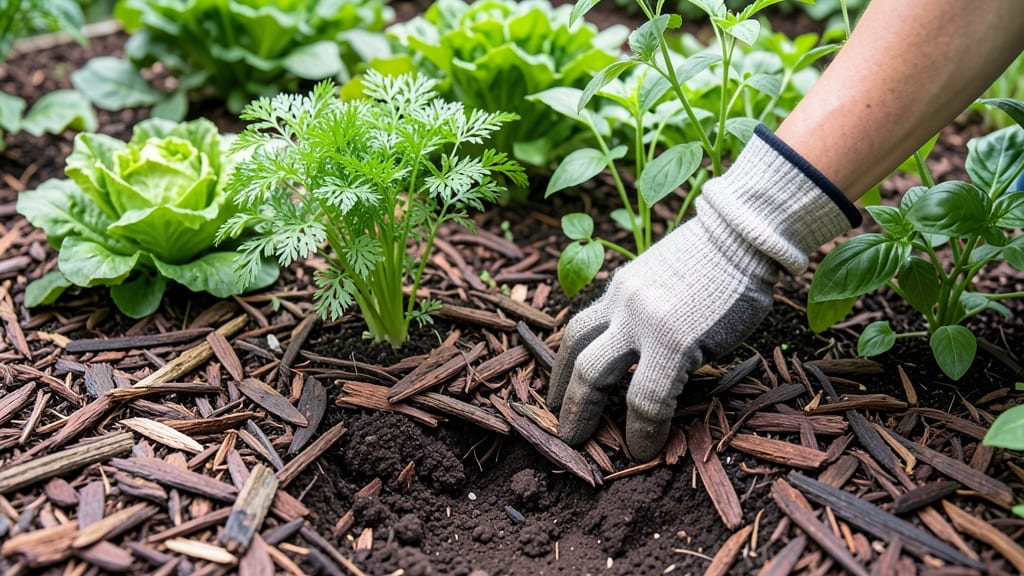
Wood chips on vegetable gardens create a nutrient-rich mulch layer that decomposes into compost while naturally suppressing weeds and locking in soil moisture, but you must use the right thickness and wood types to prevent over-acidification or plant stress.
Wood chips work like nature's slow-release fertilizer—breaking down over months to feed your soil with organic matter while keeping weeds at bay. 🌱 The key is choosing the right wood: hardwoods like oak or maple decompose slowly, while softwoods like pine add acidity that might harm some plants.
I always recommend applying a 2-3 inch layer in spring, keeping it 2-3 inches away from plant stems to prevent rot. This simple technique saves time on watering and weeding while building healthier soil over time.
For best results, avoid treated or chemically processed wood chips—they can introduce harmful compounds into your garden. Instead, opt for untreated hardwoods or cedar, which resist decomposition longer and add beneficial structure to your soil.
Just remember: less is more. Too thick a layer can suffocate plant roots by blocking oxygen and water flow, so monitor your beds regularly.
💡 In This Article
- How Wood Chips Enhance Soil Fertility and Structure
- Best Practices for Applying Wood Chips in Vegetable Beds
How wood chips enhance soil fertility and structure
Wood chips act like nature's slow-release fertilizer by decomposing through microbial activity, transforming into nutrient-rich humus over months. The process begins when soil microbes—especially bacteria and fungi—break down cellulose and lignin in the wood.
This decomposition releases essential nutrients like nitrogen, phosphorus, and potassium, though the rate varies by wood type.
Hardwoods like oak or maple have a higher carbon-to-nitrogen (C:N) ratio (around 400:1), decomposing slowly and improving soil structure, while softwoods like pine (with a 200:1 C:N ratio) break down faster but can acidify soil.
The physical structure of wood chips creates air pockets that prevent soil compaction while improving water retention by reducing evaporation. Studies show mulched beds retain 25-40% more moisture than bare soil, cutting irrigation needs by up to 50%.
The coarse texture also insulates roots against temperature swings—keeping soil 10-15°F cooler in summer and 5-10°F warmer in winter compared to unmulched areas. This stability promotes deeper root growth and better nutrient uptake in vegetables like tomatoes and peppers.
What most gardeners don't realize is how wood chips suppress weeds by blocking sunlight—young weed seedlings need light to germinate, and a 2-3 inch layer can reduce weed growth by 80-90%. The decomposition process also creates a "sponge effect," absorbing and slowly releasing water during dry spells.
Unlike synthetic mulches, wood chips become more beneficial over time, gradually transforming into compost that enhances soil tilth and microbial diversity. 🌱
However, the benefits depend on proper wood selection. Cedar, for example, contains natural preservatives that repel insects and decompose slowly, making it ideal for long-term mulching. Pine, while faster to break down, can lower soil pH—harmful for acid-sensitive plants like blueberries or potatoes.
Always test your soil pH before applying pine chips, especially in clay-heavy soils where acidification is more pronounced.
Consider this: a single 1-inch layer of wood chips can add 1-2 pounds of organic matter per 100 square feet annually. Over three years, that's equivalent to spreading 3-6 inches of compost—without the labor.
The key is balance: too little mulch won't provide enough weed suppression or moisture retention, while too much can smother plants or attract pests like termites (which target thick, damp wood layers).
For vegetable gardens, the sweet spot is 2-3 inches of chips, refreshed annually. This thickness maintains moisture, regulates temperature, and decomposes at a rate that keeps the soil ecosystem thriving without overwhelming plant roots.
The result? Healthier plants, fewer weeds, and soil that becomes more fertile with each growing season. ✨