
Tools
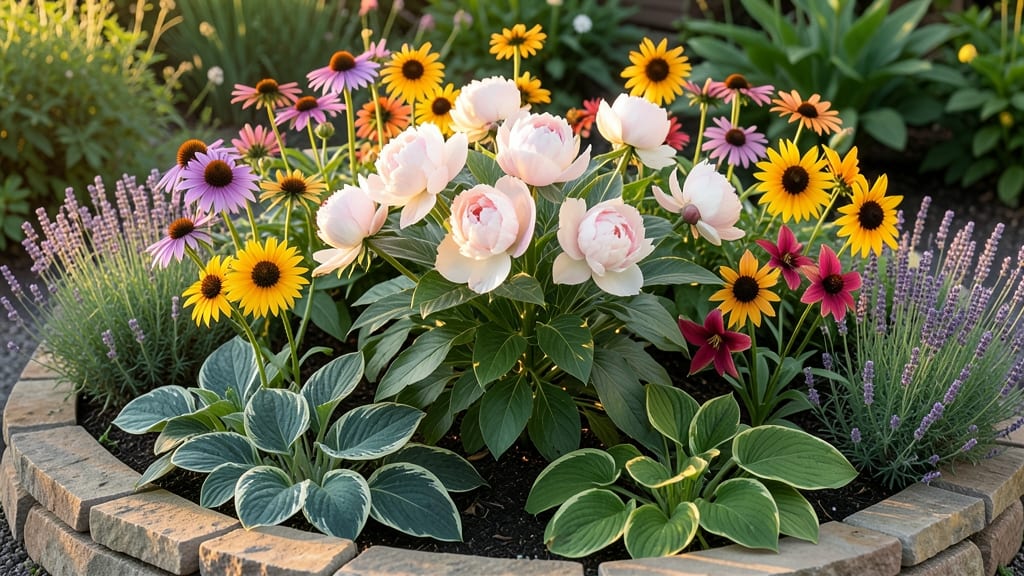
A flower garden in the shape of a circle's design relies on understanding whether you're working with radius measurements (center-to-edge distance) or total area (πr² formula). Start by measuring the garden's diameter to determine the radius, then calculate the area to plan soil quantities, irrigation needs, and plant spacing. For a balanced look, use a central stake and string to mark even spacing around the perimeter.
A flower garden in the shape of a circle creates stunning visual impact, but the math behind it ensures everything grows perfectly. 🌿 The radius determines how far plants sit from the center, while the area (πr²) tells you how much soil, mulch, or irrigation coverage you'll need.
For example, a 10-foot diameter garden has a 5-foot radius and covers about 78 square feet of space—critical for calculating how many plants or how much compost you'll require.
This approach also helps with plant selection: sun-loving flowers near the outer edge get more light, while shade-tolerant varieties thrive closer to the center.
Pro tip: Use a garden flag at the center stake to mark the focal point, then stretch string from the stake to the edge to create even spacing. This method works for both small patio gardens and large landscape circles.
💡 In This Article
- Calculating Circular Garden Dimensions: Radius vs Area Explained
- Designing a Circular Flower Garden: Layout and Planting Tips
Calculating circular garden dimensions: radius vs area explained
The magic of a circular flower garden starts with understanding the relationship between radius and area. The radius is simply half the garden's diameter—if your circle measures 12 feet across, the radius is 6 feet.
But here's where it gets interesting: the area (what you actually use for planting) follows the formula πr², meaning a 6-foot radius garden covers about 113 square feet—not the 12 feet you might guess. This mathematical relationship explains why small changes in radius create big differences in planting space.
For instance, doubling the radius from 5 feet to 10 feet quadruples the area from 78 sq ft to 314 sq ft—a critical factor when calculating soil volume or irrigation needs. 🌱
Measuring your existing circular space requires precision. Start by finding the true center (where perpendicular diameters intersect) and use a measuring tape to mark the diameter. For irregular circles, take multiple measurements and average them.
The area calculation becomes your blueprint for materials: 1 square foot typically requires about 1 cubic foot of soil mix, while irrigation systems need to cover the full area.
For example, a 10-foot diameter garden (radius 5 feet) needs roughly 78 sq ft of mulch coverage—about 3 bags of landscape fabric if each covers 25 sq ft. This mathematical foundation ensures you never run out of materials mid-project.
The area calculation also dictates plant spacing patterns. Most perennial flowers need 12-18 inches of space between plants, meaning a 100 sq ft garden could accommodate 30-50 plants depending on variety. The outer ring (where radius measurements matter most) gets full sun exposure, while inner zones may need shade-tolerant species.
This zoning explains why some gardeners divide circles into 3 concentric rings: outer for sun-lovers, middle for transitional plants, and center for shade. The radius determines how wide each ring should be—typically 2-3 feet per band for balanced visual flow. 🌸
One common mistake is confusing radius with circumference (the perimeter). While radius measures center-to-edge distance, circumference (2πr) tells you how much edging material you'll need. A 6-foot radius garden has a 38-foot circumference—enough for 12 feet of decorative edging if spaced every 3 feet.
This distinction helps when planning pathways or border plants. For example, a 15-foot diameter garden (radius 7.5 feet) needs 47 feet of edging but only 177 sq ft of planting area. Understanding these relationships prevents material overestimation or underestimation.
Practical applications extend beyond math. The area calculation helps determine irrigation needs: most drip systems cover 12-18 sq ft per emitter. A 100 sq ft garden would need 6 emitters spaced 3 feet apart along concentric circles.
Similarly, soil volume calculations prevent erosion: 1 cubic yard covers 100 sq ft at 3 inches depth. For a 150 sq ft garden, you'd need 1.5 cubic yards of soil mix. These real-world applications show why the πr² formula isn't just theory—it's your garden's financial and horticultural safety net. 💧
Advanced gardeners use radius-based calculations for more creative designs. For instance, creating a sunburst effect involves planting taller flowers at the center (where radius is smallest) and shorter varieties outward. The radius determines how much each plant will "reach" toward the edges.
In a 12-foot diameter garden, a 3-foot radius center plant would naturally frame the outer 9-foot radius perimeter. This technique creates visual depth while maintaining the circle's symmetry. The math ensures every plant has its perfect spot without crowding. 🌼