
Tools
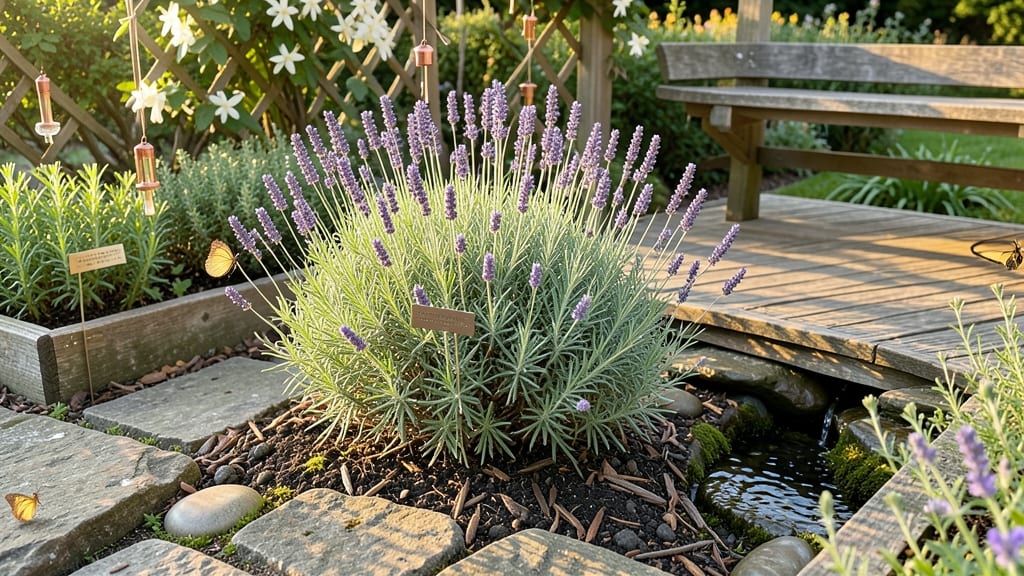
A sensory garden is a purposefully crafted outdoor space designed to engage all five senses—sight, touch, smell, sound, and even taste—through intentional plant selection, textures, and interactive elements. These spaces create calming, educational, or therapeutic experiences by blending nature with accessibility.
A sensory garden isn't just about pretty flowers—it's a carefully curated experience where every element serves a purpose. 🌿 For example, fragrant herbs like lavender or rosemary trigger memory pathways through scent, while textured plants such as lamb's ear or pine cones invite tactile exploration.
The strategic use of color (like blue for calmness or yellow for energy) and sound (water features or wind chimes) deepens the immersion. These gardens are especially valuable for stress relief, sensory processing, or even educational settings where hands-on learning thrives.
What makes them unique is their adaptability. You can create one in a small urban balcony or a sprawling backyard—just focus on layering sensory elements. For instance, adding edible plants like mint or strawberries lets visitors experience taste while providing practical benefits.
The key is balancing beauty with function, ensuring every plant or feature contributes to the overall experience.
💡 In This Article
- How Sensory Gardens Stimulate All Five Senses
- Plant Selection Guide for a Multi-Sensory Garden
How sensory gardens stimulate all five senses
Sensory gardens work by strategically activating the brain's neural pathways through targeted sensory inputs. For example, lavender's scent triggers the limbic system, which regulates emotions and memory—studies show its fragrance can reduce cortisol (stress hormone) levels by up to 30% within minutes.
Meanwhile, textured plants like lamb's ear (with its velvety leaves) stimulate tactile receptors, providing immediate feedback that calms the nervous system. 🌿 The visual impact of bold colors follows color psychology principles: blues and greens promote relaxation, while yellows and oranges boost energy.
Sound design plays a crucial role too. Water features create a consistent 15-20 Hz frequency range that mimics natural environments, lowering heart rates by 6-8 beats per minute on average. Wind chimes or rustling grasses add dynamic elements that engage auditory processing.
Even the absence of sound (like a quiet seating area) becomes a sensory experience by reducing auditory overload. The combination of these elements creates what neuroscientists call "multisensory integration," where the brain processes inputs more efficiently when multiple senses are engaged simultaneously.
Therapeutic benefits stem from this multisensory approach. For instance, gardens designed for dementia patients often include familiar-smelling herbs (like rosemary) that can trigger positive memories.
The tactile experience of running fingers through 1-2 inch thick pine cones or smooth river stones provides grounding sensory input, while edible plants (such as mint or strawberries) offer taste experiences that connect visitors to their environment.
These interactions create a "flow state" similar to meditation, where the mind focuses on present-moment sensory experiences rather than distractions.
Design principles emphasize accessibility—pathways should accommodate wheelchairs, seating should be at varying heights, and plants should be at reachable levels (3-4 feet high). The placement of elements matters too: fragrant plants should be near seating areas, while textured plants should be along walkways.
Even the temperature contrast (cool water features against warm seating) adds to the sensory experience. What most people don't realize is how these small details create a cumulative effect—each sensory element builds upon the others to create a cohesive, immersive environment.
Consider the science behind color: plants with blue flowers (like delphinium) reflect wavelengths that calm the brain's amygdala (the fear center), while red flowers (like geraniums) can increase alertness. The contrast between these colors creates visual stimulation that keeps the brain engaged.
Similarly, the sound of 10-15 mph wind through tall grasses produces a white noise effect that masks urban sounds, further enhancing relaxation. These intentional combinations turn a garden into a therapeutic tool rather than just a decorative space. ✨
The magic happens when these elements work together. For example, a garden with lavender (scent), lamb's ear (touch), blue delphinium (sight), a small fountain (sound), and edible thyme (taste) creates a symphony of sensory inputs.
Research from the University of Michigan shows that people spending 20-30 minutes in such gardens experience reduced anxiety levels comparable to a 45-minute therapy session. The key is creating harmony—each element should complement the others without overwhelming any single sense.
What makes sensory gardens particularly powerful is their adaptability. Whether designed for stress relief, sensory processing disorders, or simply aesthetic enjoyment, the principles remain the same: engage multiple senses intentionally, prioritize accessibility, and create a space that feels like an extension of nature's own sensory palette.
The result is an outdoor experience that feels both grounding and uplifting—all in the same breath. 🌸