
Propagation
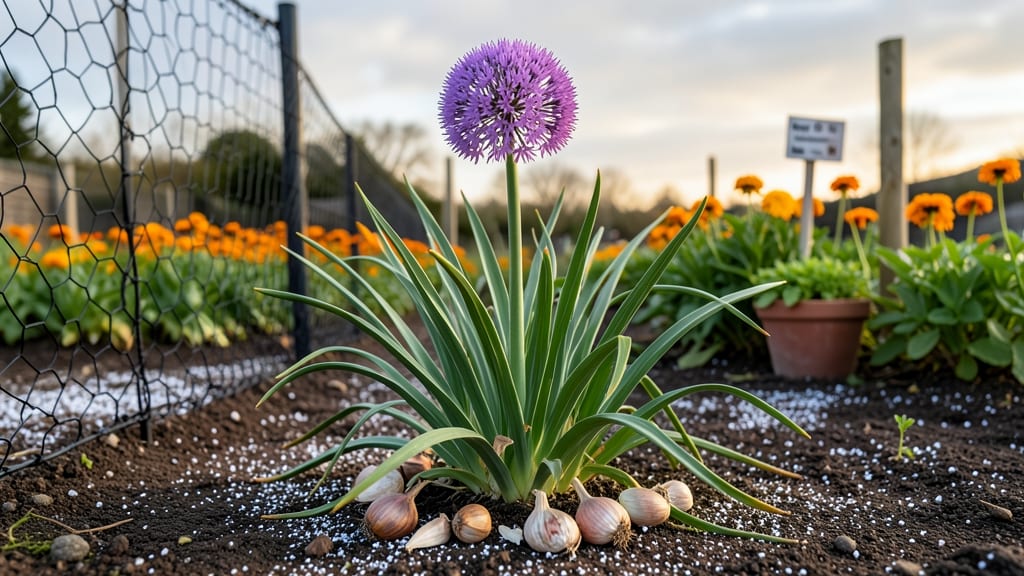
What keeps bunnies away from gardens involves combining natural deterrents like garlic and chili pepper sprays with physical barriers such as fencing or raised beds. Strong-smelling herbs like rosemary or lavender also create effective rabbit-repelling zones.
Rabbits have an incredibly sensitive sense of smell, which is why strong odors like garlic's sulfur compounds or capsaicin from chili peppers work so well. 🌿 I've found that predator scents—like coyote or fox urine—trigger their instinctual fear response, making them avoid treated areas.
Physical barriers like fencing or raised beds create additional layers of protection, while herbs like rosemary release volatile oils that rabbits naturally avoid.
For best results, I recommend rotating repellents every few weeks to prevent rabbits from getting used to them. Commercial sprays often contain multiple active ingredients, but homemade versions with cayenne pepper and vinegar can be just as effective.
The key is consistency—rabbits learn patterns, so combining methods gives you the strongest defense.
💡 In This Article
- Why Rabbits Avoid Certain Plants and Scents
- Top-Ranked Rabbit Repellent Methods for Gardens
Why rabbits avoid certain plants and scents
Rabbits rely on their powerful olfactory senses—up to 14 times more sensitive than humans—to detect threats and identify safe foods. When they encounter strong odors like garlic's sulfur compounds (allyl sulfur) or capsaicin from chili peppers, their nasal receptors trigger an immediate avoidance response.
These compounds irritate their delicate respiratory systems, making the plants taste bitter and unpleasant. 🌿 For example, a single crushed garlic clove releases enough sulfur to create a detectable scent radius of 10-15 feet, effectively marking an area as unsafe.
The science behind predator scents is even more fascinating. Rabbit brains are hardwired to associate the smell of coyote or fox urine with danger due to their evolutionary history as prey animals.
When exposed to these scents, rabbits experience a physiological stress response—elevated cortisol levels and increased heart rate—that drives them to flee. Commercial predator urine products contain synthetic analogs of these natural compounds, mimicking the chemical signatures that trigger this instinctual fear.
The key is application: fresh urine works best, but synthetic versions last 3-4 weeks before needing reapplication.
Plant textures also play a role in rabbit behavior. Rabbits prefer soft, tender vegetation, so introducing coarse or prickly plants like thorny roses or marigolds disrupts their feeding patterns.
These plants create physical barriers that deter nibbling, while their strong aromas (like marigold's pyrethrum compounds) add an extra layer of repulsion.
Even the act of chewing these plants can cause irritation in a rabbit's mouth, reinforcing avoidance. 🌱 This dual approach—combining scent and texture—creates a more comprehensive deterrent than relying on smell alone.
Toxicity is another critical factor. Many plants rabbits avoid contain compounds that are harmful if ingested, such as foxglove's cardiac glycosides or castor bean's ricin.
While these plants aren't typically used as garden repellents (due to their danger to pets and children), their presence signals to rabbits that an area is unsafe. Even non-toxic strong-smelling plants like lavender release linalool and linalyl acetate, which rabbits find overwhelming and unpleasant.
The key is selecting plants that are both repellent and safe for your garden ecosystem.
Seasonal variations also influence rabbit behavior. In spring and summer, when food is abundant, rabbits are more adventurous and may ignore mild repellents. During late fall and winter, when resources are scarce, even subtle scents become more effective deterrents.
This is why gardeners often see better results from repellents in colder months. 🌰 Understanding these seasonal patterns allows you to adjust your repellent strategy—using stronger scents in spring and relying more on physical barriers in winter when rabbits are hungrier.
One often-overlooked factor is the role of pheromones. Rabbits communicate through scent markings, and when they encounter an unfamiliar odor in their territory, they may avoid it to prevent drawing attention to themselves.
This is why rotating repellents can be effective—it keeps the scent profile unpredictable, making it harder for rabbits to become accustomed to a single treatment. For example, alternating between garlic spray and predator urine every 2-3 weeks can maintain the element of surprise and confusion for foraging rabbits.