
Container Gardens
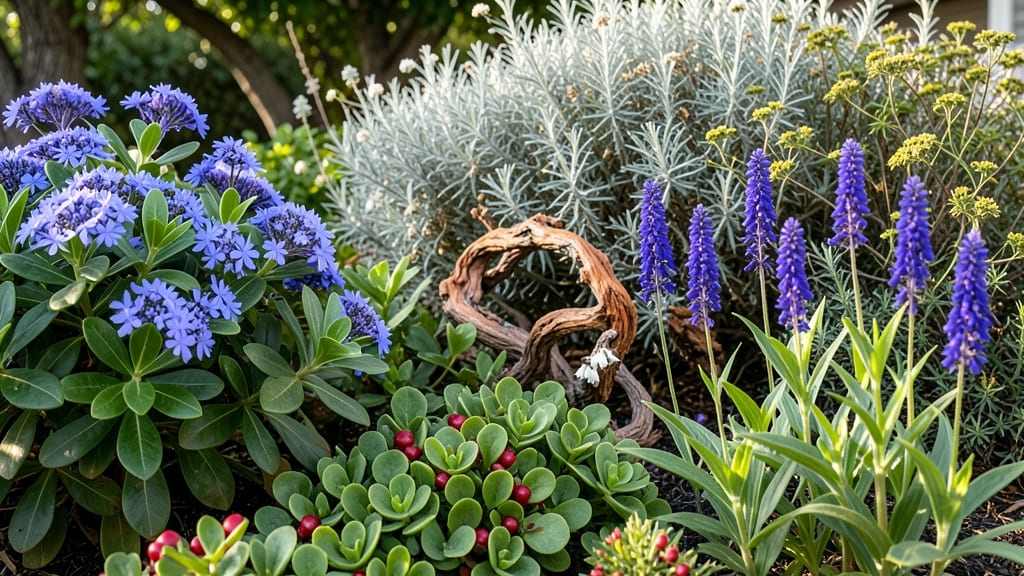
Alta Vista Botanical Gardens in Vista, CA, showcases stunning native plant collections, rare succulents, and themed gardens like the Mediterranean and Desert Conservatories, providing peaceful walking paths and vibrant seasonal displays throughout the year for garden lovers.
This hidden gem in Northern San Diego County is a must-visit for anyone passionate about California's unique flora. 🌵 The gardens' carefully curated collections highlight over 1,000 plant species, including rare cacti and drought-tolerant natives that thrive in Southern California's climate.
What sets Alta Vista apart is its focus on conservation—many plants here play crucial roles in supporting local wildlife ecosystems.
Themed garden areas like the Desert Conservatory create immersive experiences, while the Mediterranean section offers a taste of coastal European landscapes. Unlike larger botanical gardens, Alta Vista maintains a more intimate scale, making it perfect for leisurely exploration.
I've found that visiting during the spring wildflower season transforms the gardens into a sea of color, while summer brings out the dramatic forms of succulents and agaves.
💡 In This Article
- Exploring Alta Vista’s Native Plant Ecosystems
- Best Times to Visit Alta Vista for Seasonal Blooms
Exploring Alta Vista’s native plant ecosystems
Alta Vista’s native plant collections are a living laboratory of California’s botanical diversity, featuring over 1,000 species adapted to Southern California’s Mediterranean climate—characterized by hot, dry summers and mild, wet winters.
The gardens prioritize plants that support local ecosystems, such as the California buckwheat (Eriogonum fasciculatum), which provides nectar for pollinators, and the coyote brush (Baccharis pilularis), a critical food source for birds and mammals.
These species thrive due to their deep root systems and drought-resistant leaves, which minimize water loss during the region’s five-month dry season.
The Desert Conservatory showcases rare cacti like the California barrel cactus (Ferocactus cylindraceus), which stores water in its ribbed stems to survive prolonged droughts. Meanwhile, the Mediterranean section highlights plants like lavender and rosemary, which evolved in similar climates across the globe.
Visitors can observe how these plants use leathery leaves and silver-gray foliage to reflect sunlight and reduce evaporation—a survival strategy that makes them ideal for modern drought-tolerant landscaping.
What makes Alta Vista’s collections unique is their focus on conservation and education. Many plants here are threatened in the wild due to habitat loss, and the gardens work with local universities to study their ecological roles.
For example, the California poppy (Eschscholzia californica), a state flower, relies on specific soil conditions and pollinators, which the gardens help preserve. 🌿 The layout also mimics natural habitats, so you’ll see how plants interact—like how yarrow (Achillea millefolium) attracts beneficial insects while suppressing weeds.
Seasonal adaptations are on full display year-round. In spring, wildflowers like lupine and blue-eyed grass burst into color, while summer brings out the dramatic shapes of agaves and yuccas, which store water in their thick leaves.
Even in winter, evergreen shrubs like toyons (Heteromeles arbutifolia) provide structure and food for wildlife. The gardens’ microclimates—created by slopes, shade, and water features—allow these plants to flourish in ways they might not in their natural habitats.
For plant enthusiasts, Alta Vista offers hands-on learning opportunities, such as guided tours that explain how native plants can replace water-intensive lawns.
The pollinator garden, for instance, demonstrates how to create a wildlife-friendly landscape using California native perennials that bloom at different times, ensuring a steady food supply for bees and butterflies. This practical approach makes the gardens a model for sustainable gardening in Southern California.
One of the most rewarding experiences is spotting rare or endangered species, like the San Diego fairy lantern (Calochortus clavatus), a delicate wildflower found only in a few counties.
The gardens’ propagation program helps restore these plants to the wild, making each visit not just a walk through beauty but a contribution to conservation efforts. 🌸