
Pests
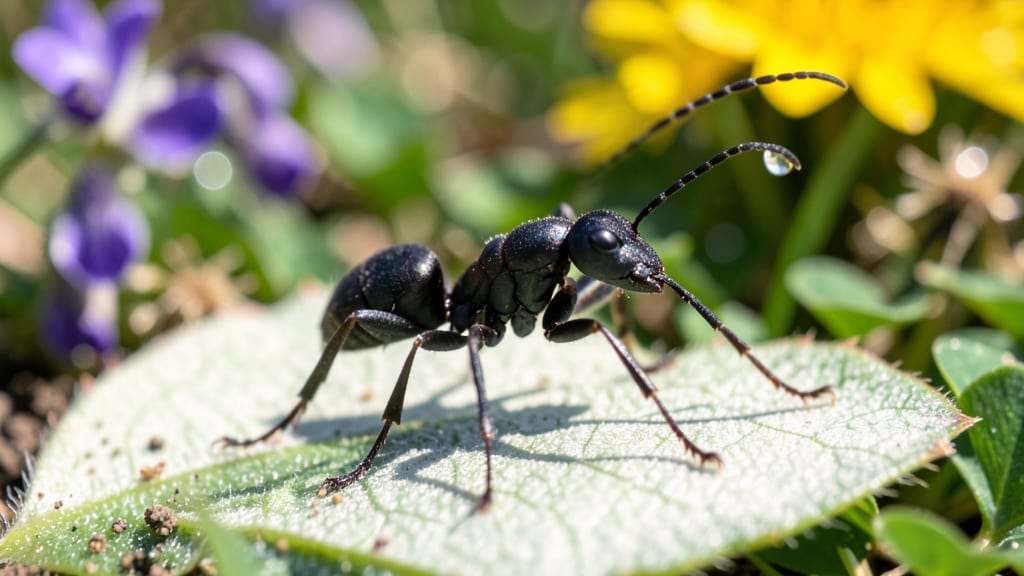
Ants in the garden are generally okay and often beneficial, as they aerate soil, control pests like aphids, and improve nutrient cycling through decomposition. However, some species may disrupt plant roots or attract unwanted insects, requiring targeted control methods if needed.
Most gardeners don't realize how much ants contribute to a healthy ecosystem. 🌱 These tiny workers break down organic matter, creating tunnels that improve soil drainage and oxygen flow—critical for root health. Their appetite for aphids and mites makes them natural pest controllers, while some species even help disperse seeds.
The key is balancing their presence: while most ants are harmless, certain types like carpenter ants can damage wood structures or attract other pests like wasps.
If you notice large ant mounds near plant roots or excessive trails on your produce, it's time to act. Natural solutions like sprinkling diatomaceous earth or using citrus peels work wonders without harming beneficial insects.
I've found that proper garden maintenance—like keeping mulch away from plant stems—often prevents ant issues before they start.
💡 In This Article
- How Ants Benefit Garden Ecosystems
- When to Remove Garden Ants and Natural Control Methods
How ants benefit garden ecosystems
Ants act as nature's tiny plowmen, creating intricate tunnel systems that aerate compacted soil and improve water infiltration. A single colony can generate up to 100 feet of tunnels per square yard, which increases soil oxygen levels by 30-40%—critical for root respiration.
This underground network also breaks down organic matter at an astonishing rate: worker ants can process their body weight in food daily, accelerating decomposition by 2-3 times compared to natural processes alone.
Their pest control services are equally impressive. Ants consume 70-90% of aphid populations in many gardens, preventing the sticky honeydew that attracts sooty mold and other nuisances. Some species like the harvester ant even target mites and insect larvae, creating a natural balance that reduces the need for chemical interventions.
The symbiotic relationship with plants goes deeper too—certain ants protect root systems from pathogens in exchange for nectar rewards from plants like acacias.
What most gardeners overlook is how ants redistribute nutrients. When they carry food to their nests, they deposit nutrient-rich waste (frass) at the surface, creating natural fertilizer hotspots.
Studies show ant activity can increase soil nitrogen levels by 15-25% in active colonies. This nutrient cycling mirrors what composting achieves but happens continuously throughout the growing season.
The real magic happens in their seed dispersal role. Species like the fire ant (despite its aggressive reputation) carry seeds to their nests, where they're protected and later deposited in nutrient-rich soil—boosting germination rates by up to 50% for certain plants.
Their foraging patterns also help break seed dormancy through mechanical abrasion during transport.
However, not all ant species offer equal benefits. Carpenter ants, for example, don't eat wood but excavate it for nests, potentially weakening plant supports. The key is identifying which species dominate your garden.
Most common black ants (Lasius niger) are harmless, while Argentine ants can form supercolonies that outcompete native species and disrupt beneficial insect populations.
To maximize ant benefits, create "ant highways" with small rocks or mulch strips that guide their movement away from delicate plants.
Their presence often indicates a healthy ecosystem—just watch for signs of overpopulation like large mounds near foundations or excessive trails on fruit, which signal it's time for gentle intervention.