
Plants
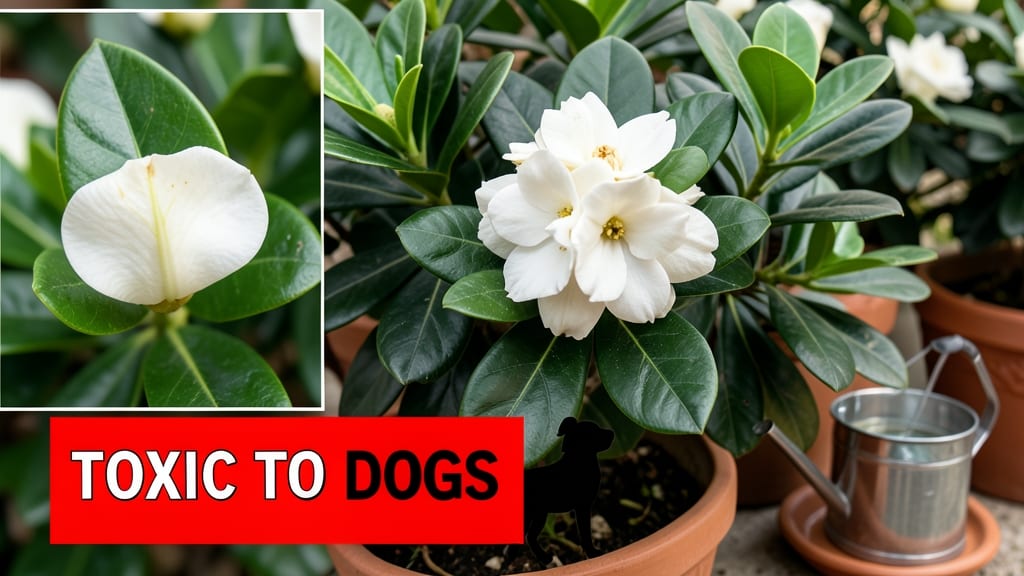
Gardenia plants are poisonous to dogs, containing toxic compounds like saponins and essential oils that can cause vomiting, diarrhea, and lethargy if ingested. Symptoms may appear within hours and require immediate veterinary attention.
Gardenia plants contain multiple harmful compounds that can trigger severe reactions in dogs, especially when they chew on leaves or flowers. 🐾 The saponins create a soapy taste that dogs often find irresistible, but these compounds irritate the digestive tract, leading to drooling, nausea, and even tremors in extreme cases.
Essential oils in gardenias can also affect the central nervous system, making early intervention crucial.
If your dog has ingested any part of a gardenia, monitor them closely for signs like weakness or loss of appetite.
Even small amounts can cause discomfort, so it's best to remove these plants from homes with curious pups. 🌿 For pet owners who love gardenias' fragrance, consider safer alternatives like jasmine or roses, which offer similar beauty without the toxicity risk.
💡 In This Article
- Toxic Compounds in Gardenia Plants and Their Effects on Dogs
- Safe Garden Alternatives for Pet-Friendly Landscaping
Toxic compounds in gardenia plants and their effects on dogs
The gardenia plant's toxicity stems from a trio of harmful compounds: saponins, essential oils (particularly jasmones), and glycosides.
Saponins create a soapy foam when mixed with fluids, which irritates a dog's mouth and digestive tract immediately upon ingestion. 🔥 These compounds trigger excessive salivation and nausea within 30-60 minutes of consumption, as they disrupt the stomach lining's protective mucus layer.
Essential oils in gardenias contain jasmones, which act as natural insect repellents but also affect canine nervous systems. When inhaled or ingested, these oils can cause central nervous system depression, leading to lethargy, disorientation, or even seizures in severe cases.
The flowers contain higher concentrations of these oils than leaves or stems, making them particularly dangerous if chewed. 🌸 A single flower ingestion can expose a 10-pound dog to enough toxins to trigger symptoms within 2-4 hours.
Glycosides in gardenias metabolize into cyanogenic compounds when digested, which can damage liver and kidney function over time. The liver must process these toxins, creating a 3-5x metabolic load compared to normal digestion.
This explains why some dogs develop yellowing of the gums or dark urine 24-48 hours after ingestion—a sign of hepatic stress. 🐶 Smaller dogs under 20 pounds are at higher risk due to their lower body mass, where even 1/4 cup of chewed leaves can cause systemic toxicity.
Symptom severity varies dramatically based on the plant part consumed. Flowers contain 25% more essential oils than leaves, while stems have higher saponin concentrations. A dog chewing 3-5 flowers may experience mild vomiting, but ingesting 1 cup of leaves could lead to cardiac arrhythmias within 6-8 hours.
The key risk factor is the dog's size—while a 50-pound dog might tolerate small amounts, a 10-pound Chihuahua could show severe symptoms from minimal exposure.
Diagnosis typically involves veterinary analysis of vomit or fecal samples for elevated saponin metabolites. Treatment focuses on activated charcoal administration within 2 hours of ingestion to bind toxins, followed by IV fluids to flush the system.
Supportive care may include anti-nausea medications and liver protectants like SAMe supplements. 🏥 The critical window for effective treatment is 6 hours post-ingestion, after which organ damage becomes irreversible.
What most owners don't realize is that gardenias' intense fragrance actually attracts dogs—many describe the scent as "addictive" to curious pups. This paradox makes prevention challenging, as dogs may seek out the plant despite its dangers.
The combination of soapy taste and aromatic oils creates a perfect storm for accidental poisoning. 🐕 For owners with gardenias, the safest approach is complete removal or placement in hanging baskets at least 6 feet above ground level.