
Advice
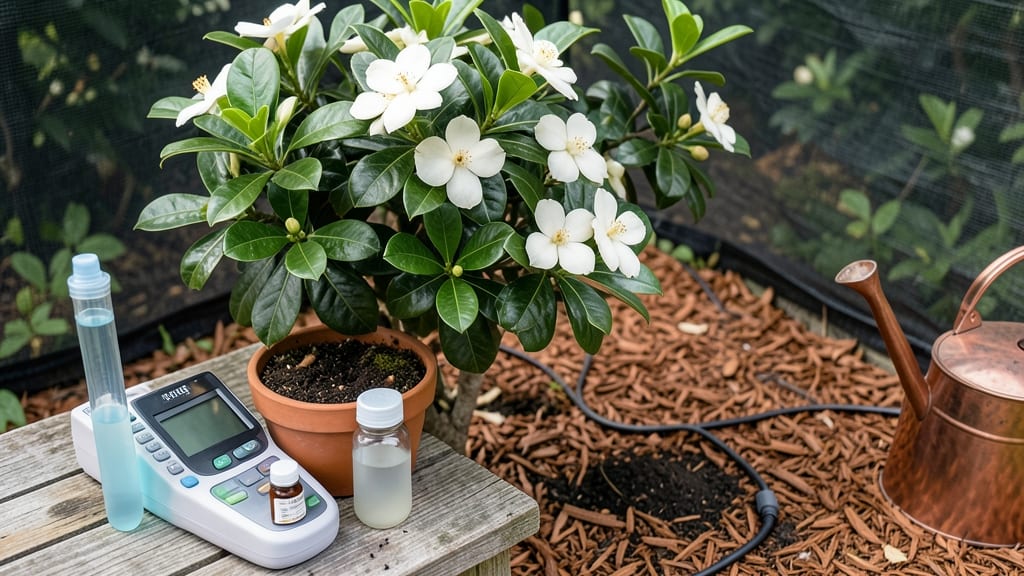
Gardenias are hard to grow for beginners because they demand precise conditions—acidic soil, steady moisture, and filtered sunlight—but they reward patient gardeners with fragrant blooms in ideal climates like USDA Zones 7-10.
These delicate shrubs aren't called "queens of the garden" for nothing—they're picky about their environment. 🌿 The biggest hurdle is maintaining the right soil acidity (pH 5.0-6.0), which many gardeners accidentally alter with regular tap water or compost.
I've found that using rainwater or a commercial acidifier makes all the difference, especially in hotter months when evaporation increases. Even experienced growers often struggle with bud drop, which happens when plants experience sudden temperature swings or don't get enough humidity—both common issues in dry climates.
What sets successful gardenia growers apart is their attention to detail. Unlike hardy plants that tolerate neglect, gardenias need daily checks for proper moisture levels and leaf condition. The blooms themselves are the ultimate payoff, with their intoxicating fragrance lasting for days when cared for correctly.
For those willing to put in the effort, the results are worth every minute of troubleshooting.
💡 In This Article
- Key Challenges in Growing Gardenias
- Step-by-Step Guide to Cultivating Healthy Gardenias
Key challenges in growing gardenias
Gardenias struggle in beginner gardens primarily because they're tropical plants with specific needs that differ from common houseplants. Their roots thrive in soil with a pH between 5.0-6.0—similar to blueberry bushes—which means regular garden soil (often pH 6.0-7.5) can actually stunt their growth.
The science behind this is that gardenias absorb nutrients most efficiently in acidic conditions, where iron and manganese become more available. Without this acidity, you'll notice leaves turning yellow between the veins (a classic sign of iron deficiency), even when the plant looks otherwise healthy.
Humidity plays an equally critical role in their blooming success. Gardenias originate from Southeast Asia's rainforests, where they experience 70-80% humidity year-round. In dry climates, this drops to 30-40%, causing buds to dry up before opening—a frustrating problem called "bud blast."
I've found that placing a tray of water with pebbles near the plant (but not touching the roots) can raise local humidity by 15-20%, making a noticeable difference. The ideal temperature range is 65-75°F during the day, with nighttime temperatures never dipping below 55°F.
Light requirements are another common stumbling block. While gardenias need bright, indirect light (think dappled sunlight under a tree canopy), direct afternoon sun can scorch their delicate leaves. This is why many gardeners mistakenly place them in full shade, where they grow leggy and fail to bloom.
The solution is finding that "goldilocks zone" of morning sun with afternoon shade, which mimics their natural forest habitat. In containers, rotating the plant every 2-3 weeks ensures even growth.
Pests like aphids and scale insects also target stressed gardenias, attracted by their sweet sap. These pests don't just damage leaves—they excrete honeydew that encourages sooty mold, turning glossy green foliage into a blackened mess.
The key to prevention is maintaining plant health through proper watering and soil conditions, as stressed plants are 3x more susceptible to infestations. I've had the most success using neem oil sprays as a preventative measure every 4-6 weeks during growing season.
Seasonal transitions present another challenge. Gardenias go semi-dormant in winter, which means their water needs drop by 50%. Overwatering during this period is a common mistake that leads to root rot, while underwatering causes buds to abort.
The solution is checking soil moisture by inserting your finger 2 inches deep—if it feels dry, water thoroughly; if it's still damp, wait another day. Mulching with 2-3 inches of pine bark helps maintain consistent moisture while protecting roots from temperature swings.
What most gardeners don't realize is that gardenias actually prefer being slightly root-bound, which encourages more blooming. This is why they often perform better in containers than in garden beds, where they can spread too aggressively.
The trade-off is that container plants need weekly watering during summer months, while in-ground plants might only require watering every 5-7 days. Understanding this growth habit can prevent many common care mistakes.