
Pests and Diseases
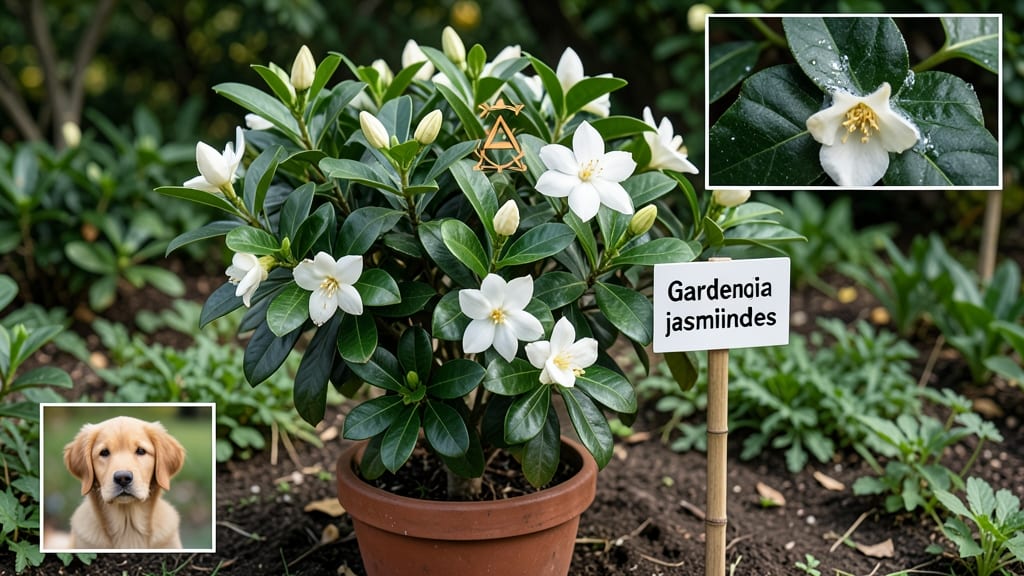
Gardenias are poisonous to pets and humans, containing toxic compounds like saponins and cyanogenic glycosides that can cause vomiting, diarrhea, and skin irritation upon ingestion or contact. Keep them out of reach of children and animals.
Gardenias contain multiple hazardous compounds that can trigger adverse reactions in both humans and animals. 🌸 The saponins in these flowers create foamy saliva and gastrointestinal distress, while cyanogenic glycosides release cyanide when metabolized—especially dangerous for pets with smaller body weights.
Even brief skin contact may cause rashes or itching, and inhaling crushed leaves can irritate respiratory systems. I always recommend wearing gloves when handling gardenias and placing them in high, secure locations where curious pets can't reach.
If you suspect poisoning, watch for symptoms like drooling, lethargy, or vomiting—contact your vet or poison control immediately. For pet owners, consider non-toxic alternatives like roses or marigolds that offer similar beauty without the risks. 💛
💡 In This Article
- Toxic Compounds in Gardenias and Their Effects on Health
- Safe Gardenia Care: Handling and Pet-Proofing Tips
Toxic compounds in gardenias and their effects on health
The primary toxins in gardenias are saponins and cyanogenic glycosides, both of which trigger harmful reactions in living organisms. Saponins create a soapy, foamy texture in bodily fluids when ingested, disrupting cell membranes in the digestive tract.
This is why pets often drool excessively or vomit after chewing gardenia leaves—it's their body's attempt to expel the irritant. 🌿 The saponin concentration varies by plant part, with leaves containing about 0.5-1.2% of these compounds, while flowers have slightly lower levels but still pose risks.
Cyanogenic glycosides are even more dangerous because they release hydrogen cyanide when metabolized, particularly in pets with slower detoxification systems.
A single gardenia leaf (about 5-10 grams) can contain enough cyanogenic glycosides to cause mild poisoning in a 10-pound cat, while humans would need to ingest significantly more to experience severe symptoms.
The skin also absorbs these compounds—crushed leaves can cause contact dermatitis within 15-30 minutes of exposure, characterized by red, itchy rashes that resemble poison ivy reactions.
Symptoms vary by exposure type: oral ingestion typically causes nausea, diarrhea, and abdominal pain, while inhalation of gardenia pollen (common in dry climates) may trigger coughing, wheezing, or even asthma-like symptoms.
Pets are far more vulnerable due to their smaller size—what might be a mild stomach upset in an adult human could be life-threatening for a small dog or cat. 🐾 The ASPCA reports that gardenias rank among the top 10 toxic plants for pets, with 30% of cases requiring veterinary intervention.
Severity depends on dosage and individual sensitivity. A 50-pound dog might only experience mild vomiting after eating a few leaves, while a 10-pound cat could show neurological symptoms like tremors or seizures from the same amount.
Humans rarely experience severe poisoning unless they consume large quantities, but children under 6 years old are at higher risk due to hand-to-mouth behaviors. The scent of gardenias—often described as sweet and floral—can actually mask the plant's toxicity, making it more appealing to curious pets.
What makes gardenias particularly insidious is their widespread use in landscaping and indoor decor. Many gardeners plant them near patios or windows, unaware that a single fallen flower can contaminate a pet's food or water bowl.
The cyanogenic glycosides remain active even after drying, meaning wilted gardenias in bouquets can still pose risks. This is why I always recommend removing gardenias from homes with pets entirely—there's no safe level of exposure when these compounds are present.
For those who love the fragrance, synthetic gardenia-scented products (like candles or air fresheners) offer a safer alternative.
These contain no plant toxins and provide the same pleasant aroma without the health risks. 🌸 The key takeaway is that gardenias' beauty comes with hidden dangers—understanding these compounds helps you protect your family and pets while still enjoying their aesthetic appeal from a safe distance.