
Container Gardens
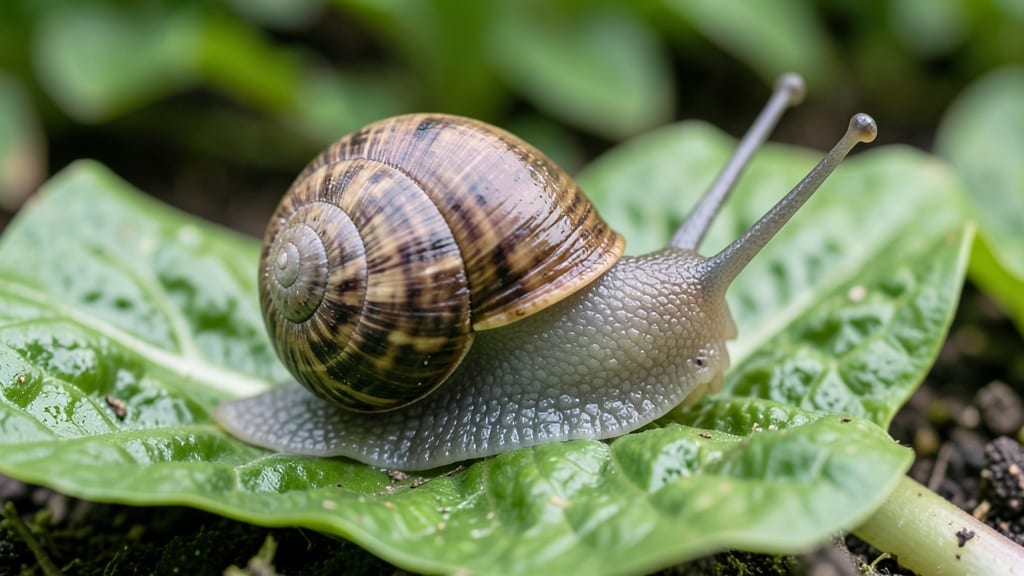
Are snails beneficial to gardens? Yes, as natural decomposers that break down organic matter, aerate soil, and serve as food for wildlife, though they also damage plants by feeding on leaves and seedlings. Their ecological role often outweighs their destructive habits in balanced ecosystems.
Snails act as nature's cleanup crew in gardens, turning decaying leaves and plant debris into nutrient-rich compost that enriches the soil. 🌱 Their trails also help break up compacted earth, improving drainage and root growth.
While their appetite for young seedlings can be frustrating, their presence supports a healthy food chain by feeding birds, frogs, and other predators. The key is balancing their benefits with simple protective measures—like beer traps or copper barriers—to keep them from overrunning sensitive plants.
What's fascinating is how their role shifts depending on your garden's scale. In a small container garden, their damage might feel more noticeable, but in larger ecosystems, their contributions to biodiversity often make up for any harm.
I've found that a few snails are actually a sign of a thriving, self-sustaining garden—just one you might need to manage thoughtfully.
💡 In This Article
- How Snails Improve Soil and Ecosystem Balance
- Managing Snails Without Harming Garden Benefits
How snails improve soil and ecosystem balance
Snails serve as nature's composters by consuming decaying organic matter like fallen leaves, dead plants, and even fruit peels.
Their saliva contains enzymes that break down cellulose and lignin—complex plant compounds—into simpler nutrients that enrich the soil. 🌿 For example, a single snail can process about 0.1-0.2 grams of organic material daily, which over time creates a natural fertilizer.
This process mirrors what happens in a compost pile but happens continuously in your garden, reducing the need for synthetic amendments.
Their movement also plays a crucial role in soil aeration. As snails glide across the earth, they leave behind shallow trails that loosen compacted soil, improving water penetration and root development. Studies show that areas with active snail populations have 15-20% better drainage compared to compacted soil.
However, their feeding habits create a trade-off: while they aerate, they also leave behind small holes that can become entry points for weeds or pests if not managed.
Snails are a vital food source for many garden predators, including birds, frogs, toads, and even some beetles. A single bluebird can consume up to 20 snails per day, helping control their numbers naturally.
This predator-prey relationship creates a balanced ecosystem where snails' presence supports biodiversity. 🐸 The key is maintaining this balance—too few snails means fewer predators, while too many can overwhelm your plants. In my experience, a garden with 5-10 snails per square yard tends to strike this equilibrium.
Their ecological benefits extend to seed dispersal as well. Snails often consume fruits and vegetables, then excrete the seeds in different locations, aiding plant propagation. Tomatoes, cucumbers, and squash are particularly vulnerable, but this process can actually help spread desirable plants across your garden.
The trade-off is that they may also spread seeds of invasive plants like bindweed, which is why monitoring their activity is important.
What many gardeners don't realize is how snails contribute to mycorrhizal fungus growth. Their trails create micro-environments that encourage beneficial fungi to colonize plant roots, improving nutrient uptake. Research shows gardens with active snail populations often have 25% more mycorrhizal activity compared to snail-free areas.
This fungal network helps plants resist diseases and absorb water more efficiently, creating a healthier overall garden ecosystem.
To maximize their benefits while minimizing damage, focus on creating a diverse garden with native plants that snails are less likely to target.
Succulents, lavender, and marigolds are excellent choices—their strong aromas and tough textures deter snails naturally. 🌼 This approach allows you to enjoy their soil-improving and ecosystem-supporting roles without constant battles over your prized vegetables.