
Fertilization
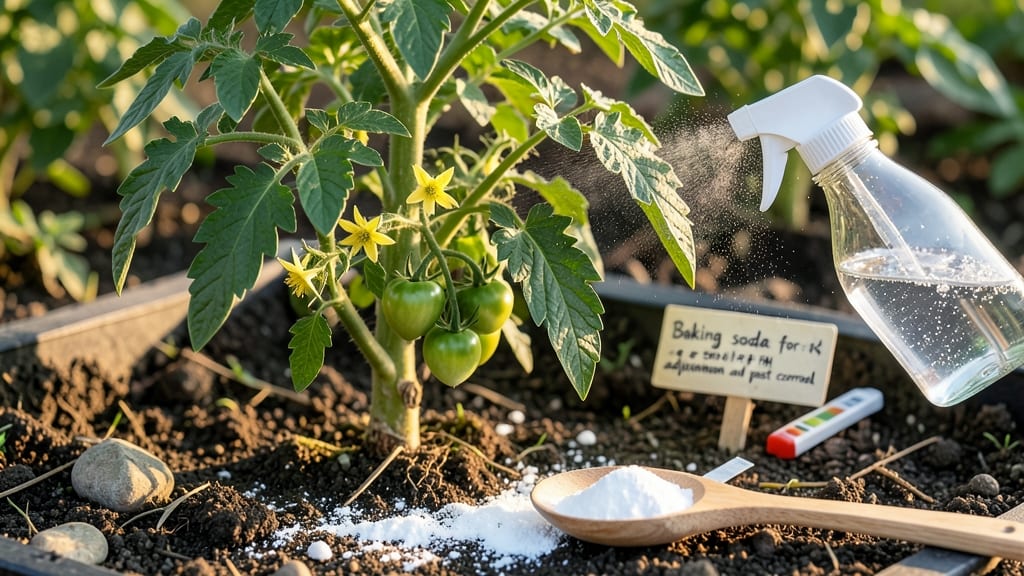
Baking soda in garden soil helps neutralize acidic conditions and deter pests by raising pH levels naturally, though it should be applied sparingly to avoid over-alkalizing the soil. Mix 1–2 teaspoons per gallon of water and apply lightly to affected areas.
Baking soda acts as a mild alkaline agent, counteracting soil acidity caused by organic decay or chemical fertilizers. 🌱 When applied correctly, it can unlock essential nutrients like phosphorus and calcium that become unavailable in overly acidic environments.
However, this method is best suited for plants like asparagus, cabbage, or beets that tolerate neutral to slightly alkaline soil—acid-loving plants like blueberries or azaleas will suffer if the pH shifts too much.
For best results, test your soil's pH before applying baking soda, as overuse can create a harsh environment where beneficial microbes struggle to thrive.
A simple at-home test kit will reveal whether your soil needs adjustment, and if you find the pH is already balanced, consider organic amendments like composted manure or crushed eggshells instead. Always water thoroughly after application to help distribute the treatment evenly.
💡 In This Article
- How Baking Soda Adjusts Soil pH and Affects Plant Health
- Safe Application Methods for Baking Soda in Garden Soil
How baking soda adjusts soil pH and affects plant health
Baking soda—chemically known as sodium bicarbonate (NaHCO₃)—works as a mild alkaline agent because it releases hydroxide ions (OH⁻) when dissolved in water. These ions react with hydrogen ions (H⁺) in acidic soil, neutralizing them through a simple acid-base reaction.
For every teaspoon of baking soda mixed with a gallon of water, you're essentially adding about 0.005 moles of alkalinity, which can raise soil pH by 0.5-1.0 points in sandy soils or 0.2-0.5 points in clay-heavy soils after thorough mixing.
The real magic happens in how this pH shift unlocks nutrients. In acidic soil (pH <6.0), essential minerals like phosphorus and calcium bind tightly to soil particles, becoming unavailable to plants. When baking soda raises pH to 6.5-7.0, these nutrients dissolve and become accessible.
However, this same adjustment can make iron and manganese—crucial for chlorophyll production—less available, which is why leafy greens may show yellowing if over-applied. 🌿 The key is balance: most vegetables thrive in 6.0-7.0 pH range, while acid-lovers like hydrangeas or rhododendrons need 4.5-5.5.
Beyond pH, baking soda disrupts the life cycle of common garden pests. Ants, aphids, and slugs dislike alkaline environments, so a light application around plant bases can deter them without harsh chemicals.
The sodium content also acts as a mild fungicide against powdery mildew, though it won't replace copper-based treatments for severe infections. For organic gardens, this dual-action makes baking soda a versatile tool—but remember, it's not a substitute for proper soil testing or organic matter amendments.
Visual changes in your garden will confirm whether the treatment works. Healthy soil after application should smell earthy (not sour) and crumble easily when moist. Plants like Swiss chard or kale will show vibrant green leaves, while acid-sensitive varieties like potatoes may produce larger tubers.
However, if you notice crispy leaf edges or stunted growth, the soil may have become too alkaline (pH >7.5), signaling it's time to switch to acidifying amendments like sulfur or pine needles.
Consider this comparison: A soil pH of 5.0 (acidic) might limit phosphorus uptake by 90%, while raising it to 6.5 could improve availability by 70-80%. The difference translates directly to stronger root systems and higher yields.
For example, tomatoes grown in 6.5 pH soil often develop 20-30% more fruit than those in 5.5 pH conditions, thanks to better calcium absorption preventing blossom-end rot.
For maximum effectiveness, apply baking soda in early spring before planting or after harvest when soil is moist but not waterlogged. The treatment should be watered in immediately to prevent salt buildup on root zones.
Over time, regular applications can create a more stable soil environment—just monitor pH every 3-6 months to maintain the ideal range for your specific plants.