
Container Gardens
Victoria BC’s botanical gardens showcase stunning floral displays through iconic spots like Butchart Gardens, the University of Victoria’s Pacific Rim Arboretum, and the Royal BC Museum’s outdoor gardens, each offering rare plant collections, seasonal blooms, and peaceful walking paths perfect for nature enthusiasts and photographers.
Victoria’s botanical gardens aren’t just pretty—they’re living ecosystems where you can stroll through Mediterranean-inspired terraces at Butchart Gardens or discover native coastal flora at UVic’s arboretum. 🌿 These gardens aren’t just about beauty; they’re carefully curated to support biodiversity, with many plants native to the region.
Whether you’re chasing spring tulips or autumn foliage, each season reveals something new—like the hidden camellia groves that bloom in winter when everything else is dormant.
What makes these spots truly special is their accessibility. Many trails are free to explore, and you can easily pair your visit with other local gems like the Songhees Reserve or the Butchart Gardens’ nighttime light displays.
Pro tip: Weekday mornings are the best time to avoid crowds while still catching the gardens at their peak.
💡 In This Article
- Victoria BC’s Top Botanical Gardens and Their Unique Plant Collections
- Best Times to Visit Victoria’s Botanical Gardens by Season
Victoria BC’s top botanical gardens and their unique plant collections
Butchart Gardens stands out as Victoria’s crown jewel, featuring 22 acres of terraced gardens designed to mimic Mediterranean climates. The 20,000+ plant varieties include rare rhododendrons and azaleas, many of which bloom between April and June when the gardens transform into a sea of color.
What makes this collection unique is its geological foundation—the terraces were built on former limestone quarries, creating dramatic elevation changes that support microclimates perfect for drought-resistant species like lavender and rosemary.
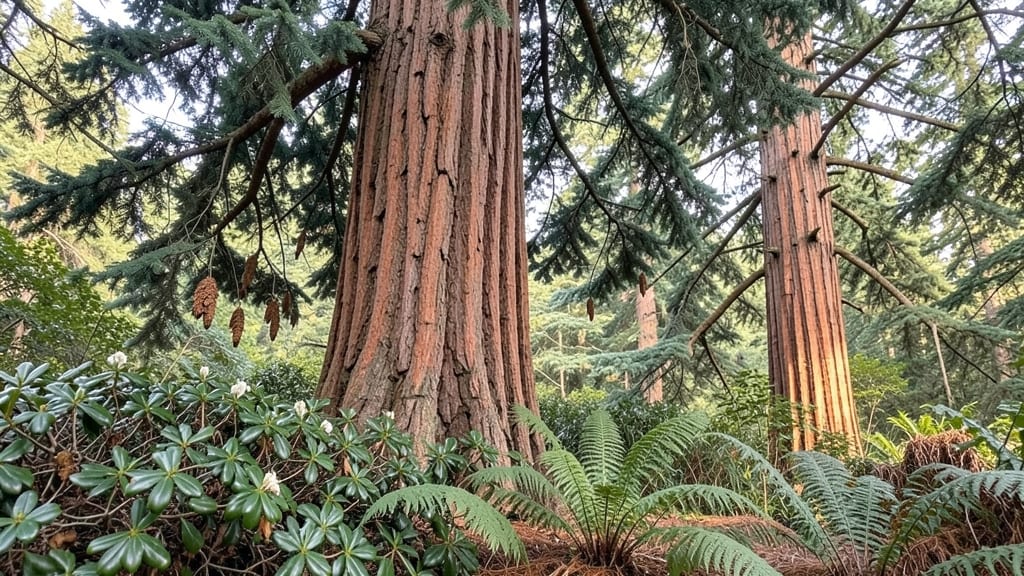
The University of Victoria’s Pacific Rim Arboretum offers a completely different experience, focusing on native coastal flora adapted to Victoria’s mild, maritime climate.
Here, you’ll find 200+ species of trees and shrubs, including Douglas firs over 100 feet tall and rare coastal salal bushes that thrive in the region’s acidic soils. The 16-kilometer network of trails winds through old-growth forests, where the air carries the piney scent of cedar and hemlock year-round.
Unlike Butchart’s curated displays, this arboretum feels wild and untamed, showcasing how plants naturally adapt to coastal ecosystems.
For a more intimate experience, the Victoria Botanical Gardens Society maintains community plots where local gardeners cultivate heirloom varieties and rare bulbs. These plots often feature spring crocuses and daffodils that bloom as early as February, followed by summer hydrangeas that thrive in the city’s microclimates.
What’s fascinating is how these gardens demonstrate urban biodiversity—many plants here are adapted to thrive in polluted air and compacted soils, making them resilient models for sustainable city gardening.
The Royal BC Museum’s outdoor gardens serve as a living history lesson, featuring plants used by Indigenous peoples like sage, cedar, and camas lilies. These gardens highlight how traditional plant knowledge intersects with modern horticulture.
For example, the cedar trees here can live for 500+ years, and their bark was historically used for weaving and medicine. The museum’s 1.5-acre garden also includes European settlers’ introduced species, creating a visual timeline of Victoria’s botanical evolution over the past 150 years.
Each garden plays a critical role in Victoria’s ecosystem. Butchart’s terraces reduce soil erosion through their layered design, while UVic’s arboretum serves as a carbon sink, absorbing hundreds of tons of CO2 annually from its mature forests.
The community plots, meanwhile, foster pollinator habitats by planting bee-friendly flowers that support Victoria’s declining native bee populations. 🌿
What most visitors don’t realize is how these gardens change with the tides. The Pacific Rim Arboretum’s trails flood during high tide, creating temporary brackish wetlands that support unique coastal grasses like Pacific willow.
Meanwhile, Butchart’s lower terraces experience fog drip—a phenomenon where morning fog condenses on leaves, adding an extra 10-15 liters of water per square meter daily to the soil. This natural irrigation explains why some Mediterranean species thrive here despite Victoria’s 35 inches of annual rainfall.